


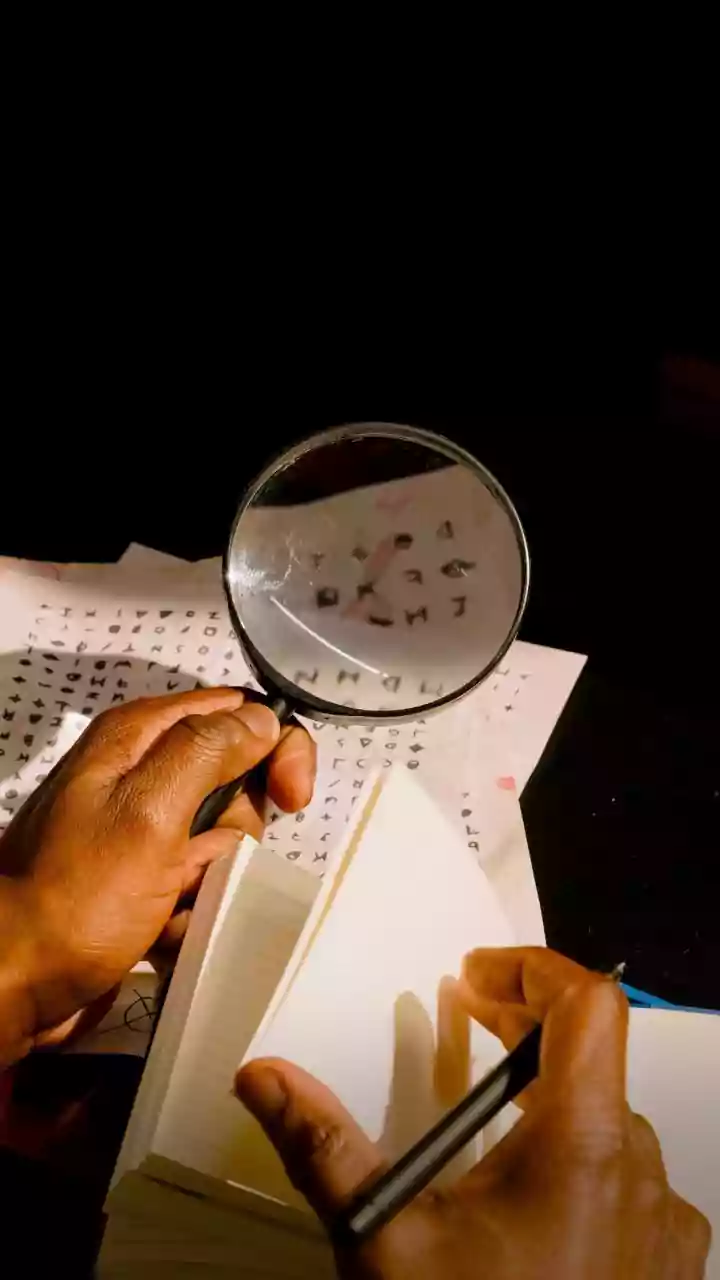




The Mountain of Modern Research
For any Masters or PhD candidate, the literature review is a formidable first hurdle. It involves identifying, reading, and synthesizing hundreds, sometimes thousands, of academic papers to situate their own research within the existing scholarly conversation.
This process is not just time-consuming; it's mentally taxing. Researchers must navigate vast databases like Google Scholar and PubMed, track complex citation chains, and manually organize their findings. The sheer volume of published work means that even the most diligent student can miss crucial studies or spend weeks on tasks that are more administrative than intellectual.
A New Threat: The Rise of Fake Citations
Compounding the challenge of volume is a more insidious problem: fabricated citations. With the rise of generative AI, it has become easier for text to be produced that includes 'hallucinated' references—citations that look real but point to non-existent articles or misrepresent the content of real ones. This pollutes the academic record, sending researchers on wild goose chases and undermining the foundation of trust upon which scholarship is built. While not always malicious, the presence of these phantom references creates a new layer of verification work for students and supervisors, who now must not only evaluate the quality of a source but also confirm its very existence.
Enter the AI Verifier
In response to these twin challenges, a suite of sophisticated AI tools has been developed to act as both a research assistant and a fact-checker. Tools like Scite, Elicit, and Consensus are designed specifically for the academic workflow. Unlike general-purpose AI, these platforms are built on curated, scholarly databases. Their primary function is to analyze and verify citations. Scite, for instance, goes beyond confirming a citation's existence; it classifies how a paper has been cited by others, noting whether the citation supports, contrasts, or merely mentions the findings. This provides an instant layer of contextual understanding that would previously have taken hours to uncover.
How These Tools Streamline Research
The benefits extend far beyond just spotting fakes. AI research assistants can dramatically accelerate the literature review process. Platforms like Research Rabbit and Litmaps help researchers visually map citation networks, uncovering connections and influential papers that might have been missed through traditional keyword searches. Other tools use semantic search, allowing a student to ask a research question in natural language and receive a synthesized summary of relevant findings, complete with citations. For postgraduates, this means less time spent on the manual labour of searching and more time dedicated to the critical thinking, analysis, and synthesis that defines high-level research.
Limitations and the Human Element
Despite their power, these tools are not a silver bullet. Experts caution against over-reliance, as AI can still produce errors, and the algorithms are not infallible. The accuracy of AI detection tools, in particular, is a subject of ongoing debate, with concerns about false positives and potential bias against non-native English speakers. Johns Hopkins University, for example, disabled Turnitin's AI detection feature due to fears of falsely accusing students. Therefore, these tools should be seen as an aid to, not a replacement for, human intellect and critical judgment. The researcher must still read the primary sources, evaluate the arguments, and ultimately take responsibility for the integrity of their work.