





Go Vertical with Wall Storage
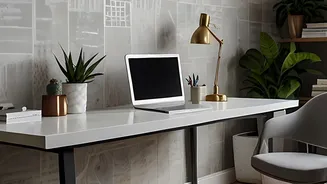
When floor space is scarce, the only way to go is up. Using your walls is the single most effective way to add storage without creating clutter. Simple floating shelves installed above your desk can hold books, binders, and a few decorative items to make
the space feel personal. For smaller supplies, consider mounting a pegboard or a wire grid panel. These are incredibly versatile for hanging headphones, cables, and small baskets containing pens and stationery, keeping your desktop clear for the tasks at hand. Wall-mounted cabinets are another excellent option for hiding away items you don't need daily, which helps maintain a streamlined and visually calm environment.
Declutter and Go Digital
A storage problem is often a 'too much stuff' problem. Before you buy a single container, perform a ruthless declutter. Get rid of broken pens, outdated cables, and old paperwork you no longer need. For the documents you must keep, consider digitising them by scanning them and saving them to the cloud. This dramatically reduces paper pile-ups. Apply this same thinking to your digital space by organising desktop icons into folders and unsubscribing from email lists you no longer read. A regular decluttering schedule, perhaps once a month, can help maintain order and prevent things from getting out of control again.
Choose Smart, Multifunctional Furniture
In a small space, every piece of furniture should work hard. Look for items that serve more than one purpose. A desk with built-in drawers or cubbies is a great start. If you already have a desk, adding a monitor stand can create a new layer of storage underneath. A rolling utility cart is another fantastic, flexible option. It can hold your printer, paper, and other supplies, and can be easily moved out of the way when you need the space for something else. Some modern furniture options include desks that fold away against the wall or coffee tables with tops that lift to become a work surface.
Tame the Cable Chaos
A tangled mess of wires and chargers creates instant visual clutter and can make a small space feel chaotic. Luckily, there are simple solutions. A cable management box can hide a power strip and all its connected plugs. You can also mount power strips to the underside of your desk using heavy-duty adhesive strips to get them off the floor. Simple binder clips attached to the edge of your desk can hold charging cables in place, preventing them from slipping away when not in use. Drawer organizers, even repurposed household items like muffin tins, are perfect for keeping smaller cords and tech accessories tidy and easy to find.
Create Designated Zones
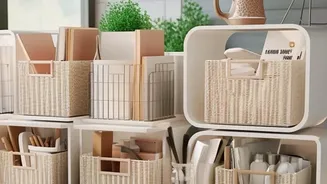
The key to long-term organisation is ensuring everything has a home. Create specific zones for different types of tasks and items. Use desktop organizers and trays to group together items you use daily, like pens and notepads. Drawer dividers are essential for preventing a 'junk drawer' situation, allowing you to assign specific compartments for things like paper clips, staples, and batteries. For paperwork, a simple vertical file holder on your desk or a dedicated accordion file can keep important documents sorted by category and easily accessible. This system reduces the time you spend searching for things and helps you maintain a clean surface.