




The Old Model: AI as a Tool
The traditional relationship with AI has been passive and transactional. Think of it like using a search engine or a grammar checker. You have a specific task—like summarizing a long document, drafting an email, or finding a piece of information—and you
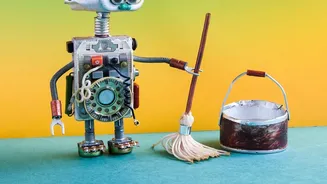
prompt the AI to perform it. The AI acts as a powerful assistant, executing a command and delivering an output. This model treats AI as an external utility that you pick up when needed and put down when finished. It’s reactive, task-based, and while it boosts individual efficiency, it doesn’t fundamentally change the nature of how work gets done.
The New Paradigm: AI as a Teammate
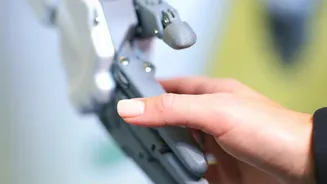
The new workplace dynamic reframes AI not as a tool, but as a coworker. This involves a strategic partnership where humans and AI combine their unique strengths to achieve shared goals. In this model, AI systems are no longer just waiting for a command. They can be autonomous agents that monitor conditions, make decisions, and coordinate tasks without constant human supervision. They have memory, can use other software tools, and learn your preferences over time. This transforms the interaction from a simple request-and-response to an ongoing, active collaboration where the AI can anticipate needs, manage complex workflows, and act as a true digital partner.
What This Looks Like in Practice
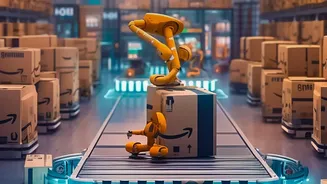
This shift is already visible across industries. In marketing, instead of just using AI to generate ad copy, a team collaborates with an AI agent that analyzes market data, suggests campaign strategies, and even allocates budgets in real-time. In customer service, AI chatbots handle routine queries while simultaneously feeding complex issues and customer sentiment data to human agents, allowing them to provide more empathetic and effective support. In manufacturing and supply chain, digital agents can monitor for disruptions, evaluate alternative vendors, and negotiate adjustments, with humans providing oversight and strategic direction. This human-in-the-loop approach ensures that AI’s efficiency is guided by human judgment and ethical considerations.
The New Skill Set for Collaboration
Thriving in this new environment requires more than just knowing how to write a good prompt. The emphasis is shifting from technical prowess to collaborative intelligence. Critical thinking and analytical skills are paramount, as professionals must be able to evaluate AI-generated outputs, spot biases, and know when to trust the machine versus their own expertise. Communication, creativity, and strategic thinking become even more valuable, as these are the uniquely human skills AI is meant to augment, not replace. Understanding the limitations and ethical implications of AI is also non-negotiable, ensuring the technology is used responsibly. Ultimately, the most successful professionals will be those who can design and manage effective human-AI workflows.
Rethinking Leadership and Teamwork
Integrating a 'digital coworker' changes team dynamics and requires a new approach to management. Leaders must now think about how to onboard AI agents, define their roles, and establish clear protocols for human-AI interaction. The goal is to create a culture where employees see AI not as a threat, but as a partner that frees them from repetitive tasks to focus on higher-value strategic work. This involves fostering trust and transparency, ensuring that automated decisions can be explained and reviewed. As human-AI teams become the norm, leadership will be less about direct supervision and more about designing intelligent systems and empowering people to collaborate effectively within them.