


A Nationwide Shift in Appetite
The festive season in India has long been a time of delicious excess. Platters of glistening mithai, deep-fried savouries, and rich, ghee-laden curries are central to celebrations. Yet, a significant cultural shift is taking place. Driven by rising health
awareness and a greater understanding of lifestyle diseases, many Indians are rethinking their relationship with festive food. This isn't about abandoning tradition, but adapting it. The market for healthy snacks and sweets is booming, with one report projecting the healthy snacks market to grow from USD 4.4 billion in 2025 to over USD 8.1 billion by 2033. This growth reflects a deeper change in consumer mindset, where indulgence and wellness are no longer seen as mutually exclusive.
The Mithai Makeover
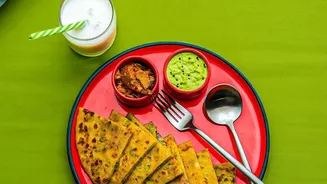
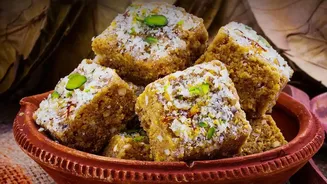
The quintessential Indian sweet, or mithai, is at the heart of this transformation. In response to growing demand, sweet makers and home cooks are innovating to create healthier versions of beloved classics. Refined sugar is being swapped for natural alternatives like jaggery, dates, and stevia, which have a lower glycemic impact. Flours are also getting an upgrade, with nutrient-dense millets like ragi and bajra replacing refined white flour in everything from ladoos to halwa. Brands are launching entire ranges of diabetic-friendly and low-sugar sweets, ensuring that no one has to miss out on the festive spirit due to dietary restrictions. These aren't just niche products anymore; they represent a significant and growing segment of the market, catering to a consumer who reads labels and prioritizes health.
Beyond Sweets: Reimagining the Whole Meal
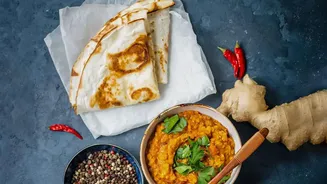
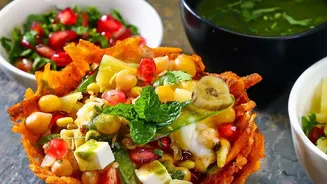
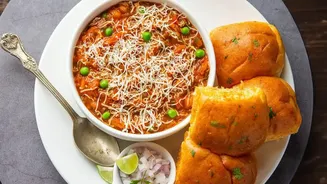
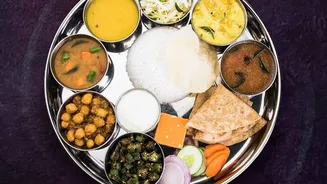
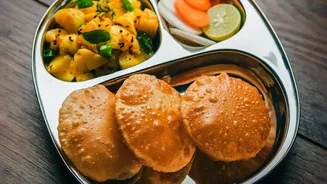
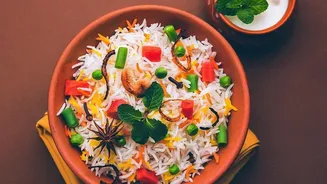
The quest for balance extends beyond the dessert plate. Families are now applying the same health-conscious principles to their savoury dishes. Traditional cooking methods are being updated to suit modern lifestyles. Deep-frying, for instance, is often replaced by baking or air-frying for snacks like samosas and chaklis, a simple switch that significantly reduces the oil content without sacrificing crunch. There is also a conscious effort to make meals more balanced. Nutritionists recommend a 'plate method' for festive meals: filling half the plate with vegetables and salad, a quarter with protein like dal or paneer, and the final quarter with grains. This approach ensures a good intake of fibre and essential nutrients, which helps to manage energy levels and prevent the lethargy that often follows a heavy meal.
Moderation, Not Deprivation
The core message from health experts is not to prohibit festive foods, but to practice mindful indulgence. Portion control is repeatedly emphasized as the key to enjoying the season without guilt or negative health consequences. Rather than sampling every dish on offer, the advice is to choose a few favourites and savour them slowly. Using smaller plates, staying hydrated to avoid confusing thirst with hunger, and eating a small, healthy snack before a big party are all practical strategies to prevent overeating. Chef Sanjeev Kapoor suggests that the goal should be to keep the soul of the dish intact while making small, healthy tweaks. This philosophy of moderation allows for the enjoyment of tradition while acknowledging contemporary health realities, creating a sustainable and joyful approach to festive eating.