






Monitor Exchange Rate Volatility
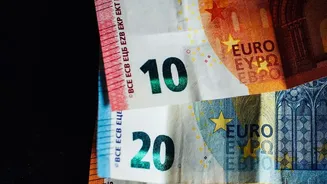
Currency exchange rates are not static; they change constantly due to factors like inflation, interest rates, and geopolitical events. For travellers, a stronger rupee means your money goes further abroad. It’s wise to start monitoring the exchange rate for
your destination country a few weeks before your trip. While predicting the market is impossible, buying your foreign currency when the rupee is performing well can lock in a favourable rate. Waiting until the last minute, especially at airport exchange counters, often results in paying a much higher price. Several online portals and financial apps allow you to track rates and even set alerts for when a currency hits a target value.
Choose the Right Mix: Forex Cards and Cash
Relying on a single payment method is risky. Most seasoned travellers recommend a combination of a forex card and a small amount of cash. A forex card is a prepaid travel card that you can load with foreign currency before your trip. This locks in the exchange rate, protecting you from fluctuations while you are away. They are secure, widely accepted, and safer than carrying a large wad of notes. Cash, however, remains essential for small expenses like tips, local transport, or paying small vendors who may not accept cards. A common strategy is the 70/30 or 80/20 rule: carry the majority of your funds on a forex card and the rest in cash.
Beware of Hidden Markups and Fees
The exchange rate you see on Google is the 'interbank' or 'mid-market' rate, which is what banks use to trade with each other. However, the rate you get from a bank or money changer will always be higher due to a 'markup' or profit margin. It's crucial to compare rates from at least three authorized dealers before buying. Also, ask about any additional service fees or commissions that might not be advertised. Airport and hotel currency counters are notoriously expensive, often charging markups of 5% to 15%, so they should be avoided except for emergencies.
Just Say No to Dynamic Currency Conversion (DCC)
When using your card abroad, you may be presented with a choice at a payment terminal: pay in the local currency (e.g., Euros, Dollars) or in Indian Rupees (INR). Choosing to pay in INR is called Dynamic Currency Conversion (DCC). It seems convenient because you see the cost in a familiar currency, but this convenience comes at a high price. The exchange rate for DCC is set by the merchant's bank, not yours, and it almost always includes a poor exchange rate with markups of 3% to 8%. This is on top of any foreign transaction fee your card may already charge. The golden rule for every international traveller is to always decline DCC and choose to pay in the local currency.
The Problem with Using Domestic Debit and Credit Cards
While convenient as a backup, using your regular Indian debit or credit card for every transaction abroad can be expensive. Most Indian banks charge a foreign transaction fee, typically ranging from 1% to 3.5% on every swipe. This is in addition to the currency conversion markup applied by the card network (like Visa or Mastercard). ATM withdrawals with a domestic debit card also attract high fees, including a withdrawal charge and a currency conversion fee. For this reason, a dedicated forex card, which does not have these per-transaction charges for spending in the loaded currency, is a much more cost-effective primary tool for overseas spending.