




Why the Monsoon Wreaks Havoc on Your Pantry
The primary culprit behind food spoilage during the rainy season is moisture. High humidity, often reaching 75-90% in many Indian cities, creates the perfect breeding ground for mould, fungus, and bacteria. This moisture in the air gets absorbed by everything
from leafy greens to flour and spices, dramatically shortening their shelf life. Grains and pulses become susceptible to pests like weevils, snacks lose their crunch, and vegetables begin to rot at an accelerated pace. An open packet of atta that might last for months in the summer can spoil in just a few weeks during the monsoon if not stored correctly.
Mastering Vegetable and Fruit Storage
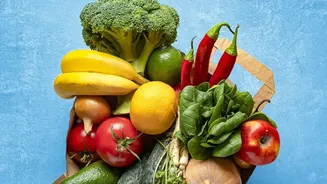
Fresh produce is particularly vulnerable. It's best to avoid washing fruits and vegetables before storing them, as lingering moisture speeds up decay. Instead, wipe them clean and wash them just before cooking. Leafy greens should be wrapped in paper towels or stored in breathable bags to absorb excess moisture before being refrigerated. For other vegetables, ensure they are dry before placing them in the fridge. It is also wise to separate fruits and vegetables. Many fruits release ethylene gas, which can cause nearby vegetables to ripen and spoil faster. Cut fruits should be consumed immediately or stored in a sealed container in the fridge for no more than a few hours.
Protecting Grains, Flours, and Spices
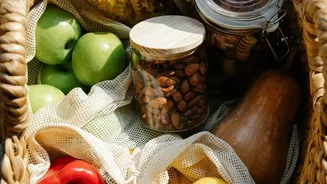
Dry goods are not immune to the monsoon's dampness. The key to their preservation is using airtight containers, preferably made of glass or steel. Once you open a packet of rice, dal, atta, or sooji, transfer the contents immediately into a dry, sealed container. Buying smaller quantities that you can consume within a few weeks is a smarter strategy than bulk-buying. For extra protection against pests and moisture, add a few dried bay leaves, cloves, or neem leaves to your grain containers. Spices can also clump together; storing them in airtight jars away from the steam and heat of the stove is essential to preserve their aroma and texture.
The Golden Rule: Buy Less, More Often
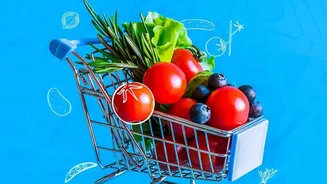
Perhaps the most effective strategy is to adjust your shopping habits. During the monsoon, it's better to make more frequent trips to the grocery store for smaller hauls rather than stocking up for the entire month. This ensures that you are always using the freshest possible ingredients and reduces the risk of spoilage and waste. This is especially true for highly perishable items like dairy products, leafy greens, and pre-cut vegetables. By buying only what you need for a few days at a time, you give moisture and mould less opportunity to take hold, ensuring your meals are always fresh and safe.
Rethinking Your Leftovers and Cooked Food
Cooked food is also at higher risk of spoilage during the monsoon. Leftovers should be refrigerated promptly in airtight containers. Leaving cooked food out at room temperature for extended periods is an invitation for bacterial growth. It is advisable to consume leftovers within a day or two. Some experts even suggest avoiding reheating food multiple times, as this can increase the risk of contamination. Freshly cooked, hot meals are always the safest and most enjoyable option during this season.