
More Than Skin Deep
The Ayurvedic approach to beauty, embraced by Indian royalty for centuries, has always been holistic. It’s a philosophy that connects the mind, body, and spirit, believing that true radiance comes from internal harmony. Ancient texts like the Charaka
Samhita detail how beauty is a measure of overall health, not just a superficial trait. This system is built on the concept of three 'doshas'—Vata, Pitta, and Kapha—which are energies believed to govern our physical and mental processes. Royal beauty rituals were therefore not just about applying pastes and oils; they were about balancing these energies through diet, lifestyle, and carefully chosen natural ingredients to achieve a glow that emanated from within.
The Royal Apothecary
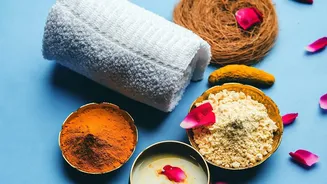
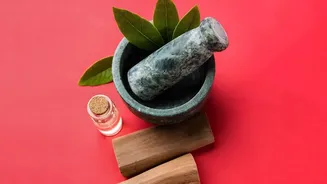
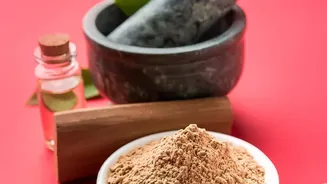
The ingredients used in royal beauty were a pharmacy sourced directly from nature. Saffron, or 'Kesar', often called 'red gold', was a prized possession, particularly among Rajput queens who soaked it in milk for its ability to brighten the complexion. Sandalwood, or 'Chandan', was another staple, beloved for its cooling properties that soothed skin inflammation in harsh climates. Mughal empress Nur Jahan was famously captivated by the fragrance of rose, popularising rose water (Gulab Jal) for its hydrating and toning effects. In the south, queens of Travancore and Cochin relied on wild turmeric (Kasthuri Manjal) to prevent acne and brighten the skin without staining. These ingredients weren't chosen randomly; each had specific therapeutic properties understood through Ayurvedic wisdom.
The Ritual of Ubtan
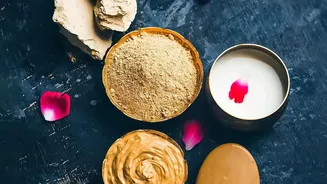
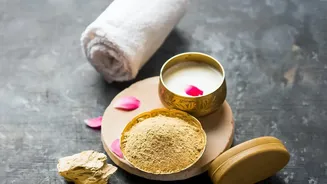
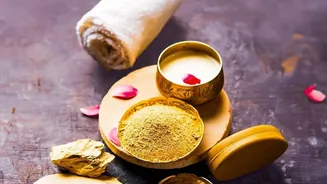
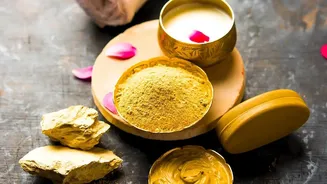
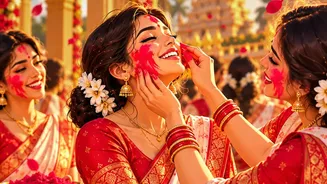
Perhaps no single practice captures the essence of royal Ayurvedic beauty better than the 'ubtan'. This is not merely a face mask but a cherished ritual. Originating in Vedic times, ubtan is a powerful paste made from a blend of ingredients like gram flour (besan), turmeric, sandalwood, and milk or rose water. It was a centrepiece of bridal and daily skincare in the Mughal and Awadhi courts. The word itself is derived from the Sanskrit term 'Udvartana,' which means to cleanse and beautify the body. Used as a gentle exfoliator, it removes dead skin cells, reduces tanning, and purifies the skin, leaving it soft and luminous. Its use in pre-wedding ceremonies, like the 'haldi' ceremony, continues to this day, a direct inheritance from its royal past.
Hair Care Fit for a Queen
Royal beauty routines extended to elaborate hair care rituals designed to nourish and strengthen. Ayurvedic wisdom prized long, lustrous hair as a sign of vitality. Amla, the Indian gooseberry, was a key ingredient, often mixed into herbal oils to reduce hair fall and promote growth. Queens like Rani Lakshmibai were known to use oils infused with amla, bhringraj, and neem. In another grand ritual, princesses of Travancore would wash their hair with herbal waters and apply a paste of exotic leaf extracts. Afterwards, they would dry their tresses over an iron pot of burning coal, on which fragrant herbs like camphor were sprinkled to lock in moisture and leave a lingering scent. These practices underscored the belief that every part of the body deserved mindful care.
A Legacy for the Modern Age
The beauty secrets of Indian royalty are not lost to history. They are experiencing a powerful revival in the modern wellness world. From boutique Ayurvedic brands to DIY skincare enthusiasts, the principles of using fresh, natural ingredients are more relevant than ever. The philosophy that true beauty is holistic—a combination of a balanced diet, mindful routines, and natural nourishment—resonates with a growing desire for sustainable and authentic self-care. The enduring popularity of ingredients like turmeric, sandalwood, and saffron is a testament to their efficacy. These ancient traditions remind us that caring for our skin can be a mindful ritual, connecting us to nature and a rich cultural heritage.