





The Promise of 100 Special Trains
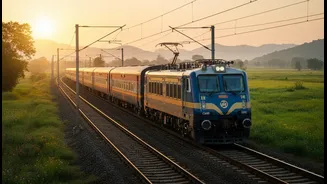
In early July, Union Railway Minister Ashwini Vaishnaw announced that over 100 special train services will be operated to manage the heavy passenger rush for Onam. This headline figure brought immediate cheer, promising relief for the lakhs of non-resident
Keralites who undertake the annual pilgrimage home from cities like Bengaluru, Chennai, and Mumbai. Following the minister's statement, Southern Railway began notifying the first few services, including weekly specials between Mangaluru and Chennai Egmore, and between Thiruvananthapuram and Tambaram, scheduled to run from July through September. Bookings for these initial trains opened almost immediately, signaling the start of the festive travel season.
A Drop in an Ocean of Demand
While over 100 trains sound substantial, a closer look reveals a more complex picture. These "services" or "trips" are often weekly runs over a period of a few weeks, not 100 distinct daily trains. For instance, the first announced services account for eight trips in each direction on one route and four on another. For a festival that sees an immense surge in travel, with waitlists on regular trains running into the thousands for a single journey, this capacity is quickly absorbed. Passenger associations have historically pointed out that such announcements, while welcome, often fall short of the actual demand. The Onam travel rush is a predictable annual event, yet the response is often seen as reactive rather than a result of long-term strategic planning to handle the surge.
The 'Special Fare' Complication
A significant factor often missed in the initial excitement is the pricing. Most of these festive services are operated as 'Special Fare' or 'Suvidha' trains. This means tickets are priced higher than on regular mail or express trains, a practice Indian Railways has maintained since 2015 to manage demand. This fare structure can make travel unaffordable for many families and individuals, effectively pricing them out of the very services meant to help them. While private bus operators are known to double or triple their fares during this season, the higher cost of special trains means many are left with few economical options. The perennial debate continues: are these trains a public service to ease the festive rush or a revenue-generating exercise during a period of peak demand?
Route Roulette: Who Gets a Train?
The allocation of these special trains is another point of contention. The initial announcements have focused on major corridors like Chennai-Kerala and Mangaluru-Kerala. While these are undoubtedly high-demand routes, passengers from other cities with significant Malayali populations, such as Delhi, Pune, and Kolkata, often feel left out. There are frequent calls from passenger groups to ensure a more equitable distribution of these services, particularly to the Malabar region of northern Kerala, which has historically felt underserved. The effectiveness of the special services hinges not just on the number of trains, but on whether they connect the right points of origin and destination where the demand is most acute.
The Long Road to a Real Solution
The Onam travel issue is a symptom of a larger infrastructural challenge. Passenger associations consistently argue for more permanent solutions rather than last-minute special announcements. Suggestions include the permanent addition of coaches to existing high-demand trains, the introduction of new year-round services on critical routes, and better utilisation of existing railway infrastructure like underused terminal stations within Kerala. While the Railways points to significant investments in track expansion and infrastructure, the benefits are yet to fully translate into a hassle-free festive travel experience for the common passenger. Until then, the annual cycle of high demand, desperate searches for tickets, and the partial relief offered by special trains is set to continue.