




What Exactly is the Cold Chain?
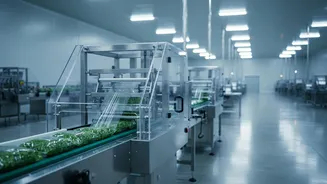
Think of the 'cold chain' as an unbroken, temperature-controlled journey for perishable goods. It starts the moment a product is harvested or produced and ends when you purchase it. This includes refrigerated processing facilities, cold storage warehouses,
and refrigerated trucks or 'reefers'. The goal is simple: keep food like milk, meat, fruits, and vegetables within a specific, cool temperature range to prevent spoilage and bacterial growth. For example, chilled products like dairy are typically kept between 2°C and 4°C, while frozen items must remain at or below -18°C. A single break in this chain—a delay on a hot day or a poorly cooled storage unit—can compromise the safety and quality of the food. As India’s demand for processed and fresh foods grows, a reliable cold chain has become essential.
The Gaps in the System
Despite being a top producer of milk, fruits, and vegetables, India faces significant post-harvest losses, with some estimates suggesting up to 40% of fresh produce is wasted. A major reason for this is the fragmented and inadequate cold chain infrastructure. The country has gaps in storage capacity, a shortage of refrigerated transport, and inconsistent power supply, especially in rural areas. Many small and medium businesses still rely on regular, non-refrigerated transport, even for sensitive items. The problem is not just a lack of facilities, but a lack of integration between them, creating temperature breaks where food quality is compromised. This fragmentation not only leads to massive food waste, valued at thousands of crores annually, but also poses significant food safety risks.
What the New Food-Safety Review Entails
To address these issues, the Food Safety and Standards Authority of India (FSSAI) is sharpening its focus on the cold chain. The latest regulatory updates are part of a broader move toward a risk-based and preventive food safety framework. This means that inspections and compliance checks will become more targeted based on the type of food and business. For the cold chain, this involves stricter enforcement of temperature controls, hygiene protocols in storage facilities, and traceability throughout the supply journey. Businesses will need to provide documented proof, such as temperature logs and transport records, to show that the cold chain has remained unbroken. Technology like IoT sensors for real-time temperature monitoring and GPS tracking on vehicles is becoming central to meeting these enhanced compliance standards.
Impact on Businesses and Farmers
For food businesses, these stricter regulations mean increased responsibility. Companies will need to invest in better infrastructure, from modern cold storage units to a reliable fleet of refrigerated trucks. This includes adopting digital tools for monitoring and record-keeping to ensure they are 'audit-ready' at all times. While these changes present costs and operational challenges, they also create an opportunity to build more resilient and efficient supply chains. For farmers, a stronger cold chain infrastructure can reduce post-harvest losses, leading to better price realisation and access to wider markets. Government schemes that provide financial assistance for building cold chain infrastructure aim to support this transition.
What This Means for You, the Consumer
Ultimately, a more robust and regulated cold chain translates to safer, higher-quality food on your plate. When the cold chain works effectively, it ensures that the fruits you buy are fresh, the milk is safe to drink, and the frozen products have maintained their nutritional value. The increased oversight helps minimise the risk of foodborne illnesses caused by bacterial growth in improperly stored food. While you may not see the inspections and temperature logs, this renewed focus on the journey of your food is a critical step in strengthening India's overall food safety net, ensuring that the products you trust are handled with care from the farm all the way to your kitchen table.