





As temperatures drop, do you find your skin becoming tight, flaky, and uncomfortably dry? You're not alone. But sometimes, winter dryness is more than just a seasonal nuisance and requires a more strategic approach to restore comfort and health.
Why Winter Wreaks Havoc on Skin
The transition
to winter creates a perfect storm for skin distress. The primary culprit is a dramatic drop in humidity; cold air simply holds less moisture than warm air. When you move indoors, centralized heating systems pump out dry air, further depleting your skin’s hydration. To make matters worse, many of us seek comfort in long, hot showers, which feel great but strip the skin of its natural protective oils (sebum). This combination weakens the skin's natural barrier, leading to increased water loss and that all-too-familiar feeling of tightness, roughness, and itching.
Your First Line of Daily Defence
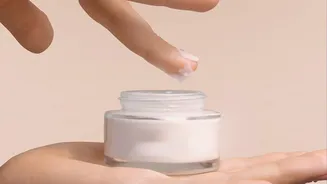
A solid daily routine is your best defence against winter dryness. Start by rethinking your cleansing habits. Swap harsh, foaming soaps for gentle, hydrating, and fragrance-free cleansers that won't strip your skin. It's also wise to limit showers to 5-10 minutes and use lukewarm water instead of hot. The most critical step is to moisturise immediately after bathing. Applying a cream or ointment to slightly damp skin helps to trap and seal in hydration, making your product significantly more effective. Don't forget sunscreen; UV rays can still damage your skin's moisture barrier, even on cloudy winter days.
Power-Up Your Moisturiser with Key Ingredients
Not all moisturisers are created equal, especially in winter. For an extra boost, look for products containing specific ingredients that support the skin barrier. Ceramides are lipids that are crucial for sealing in moisture and are a foundational component of healthy skin. Humectants like hyaluronic acid and glycerin are also powerful allies; they act like magnets, drawing water into the skin to keep it plump and hydrated. For very dry areas, occlusive ingredients found in thicker ointments can form a protective layer to prevent water loss. Combining these types of ingredients—for instance, using a hyaluronic acid serum followed by a ceramide-rich cream—provides a multi-layered approach to hydration.
Lifestyle Tweaks for Lasting Comfort
Beyond what you put on your skin, small changes in your environment and habits can make a big difference. Using a humidifier in your home, particularly in the bedroom, can add much needed moisture back into the air, aiming for a humidity level between 40% - 50%. Protecting your skin from the elements is also key, so always wear gloves and scarves to shield your skin from cold, harsh winds. Pay attention to fabrics; soft, breathable materials like cotton are less likely to cause irritation than scratchy wools worn directly against the skin. Lastly, remember to hydrate from the inside out by drinking plenty of water throughout the day.
Red Flags: When to See a Dermatologist
While most winter dryness can be managed at home, certain signs indicate it's time to seek professional help. If your skin doesn't improve with consistent moisturising, or if it becomes intensely itchy, painful, or inflamed, it may be more than simple dryness. Deep cracks that bleed, signs of infection like pus or yellow crusts, or persistent stinging when you apply products are all red flags. These symptoms could point to underlying conditions like eczema (atopic dermatitis) or psoriasis, which often flare up in winter and require a specific diagnosis and treatment plan from a dermatologist. If overthecounter solutions aren't working or your discomfort is affecting your sleep and daily life, a professional can provide the right guidance and prescription treatments to bring relief.