







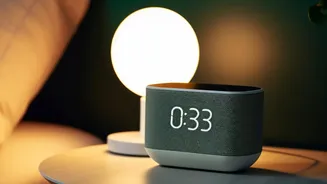
Do you ever go to bed on time, get a full eight hours, yet still wake up feeling groggy and unrested? The culprit might be the glowing screen you were scrolling through just moments before closing your eyes. It’s a modern habit that has a huge cost.
The Glow That Sabotages Your Sleep
In
our always-on world, winding down for the night often involves one last scroll through social media, a final episode of a streaming series, or a quick check of emails. While it may feel relaxing, this habit directly interferes with your body's ability to prepare for rest. The problem lies with the type of light our phones, tablets, and computers emit. This short-wavelength blue light is particularly effective at tricking our brains into thinking it's still daytime, which disrupts our natural sleep-wake cycle. Even if you feel tired, the light from your screen sends a powerful signal to your brain to stay alert.
Your Body's Internal Clock
Your body runs on an internal 24-hour clock known as the circadian rhythm. This biological process governs everything from your body temperature to hormone release, including the signals for when to feel sleepy and when to feel awake. For millennia, this rhythm was synchronized with the rising and setting of the sun. Light exposure in the morning tells your body to produce cortisol, making you feel alert. As darkness falls in the evening, your brain gets the cue to release a different hormone: melatonin. Often called the 'sleep hormone', melatonin is what makes you feel drowsy and prepares your body for a night of restorative sleep.
How Blue Light Tricks Your Brain
The blue light emitted by electronic screens is especially potent at disrupting your circadian rhythm. When light from your phone enters your eye, it stimulates special photoreceptors in your retina. These cells send a direct signal to your brain's master clock, telling it to suppress the production of melatonin. The brain essentially gets confused, interpreting the artificial light as daylight. Studies have shown that even a couple of hours of screen time in the evening can significantly delay the melatonin surge needed to fall asleep, making it harder to drift off and reducing overall sleep quality. It not only takes longer to fall asleep, but the sleep you do get is often less deep and restorative.
The Science of Waking Up Refreshed
When you eliminate screen time before bed, you protect your body’s natural melatonin production. Without the interference of blue light, your brain can properly signal that it's time to wind down. This allows you to fall asleep faster and enter the deeper, more restorative stages of sleep where your body performs critical repairs. Protecting this cycle means your body is better synchronized. When morning arrives, your system is more prepared to suppress melatonin and raise cortisol, leading to that feeling of natural alertness and energy. Instead of waking up groggy from a night of fighting confusing light signals, you wake up feeling genuinely rested and ready for the day.
Creating a 'Digital Sunset'
The key to reclaiming your mornings is to create a buffer zone between screen time and sleep time. Experts recommend putting away all electronic devices at least 60 to 90 minutes before you plan to go to bed. This period, think of it as a 'digital sunset', allows your melatonin levels to rise naturally. Instead of scrolling, use this time for calming, screen-free activities. Reading a physical book, gentle stretching, listening to calming music, journaling, or taking a warm bath can all signal to your body that the day is ending. The goal is to replace a habit that keeps your brain wired with one that helps it unwind. Creating a consistent routine helps reinforce these sleep-positive signals over time.