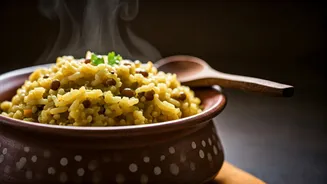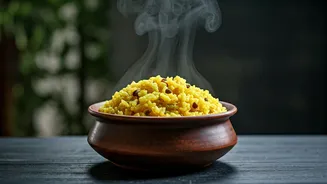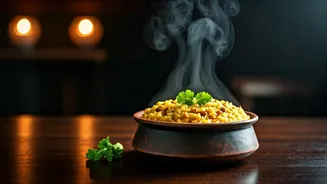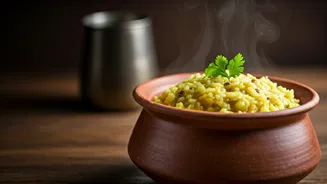



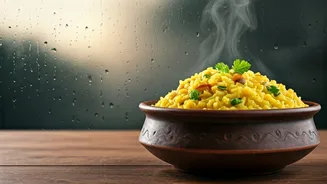
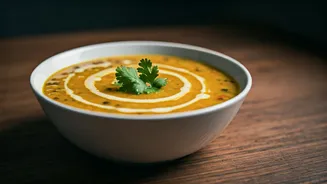


And The Answer Is… Khichdi
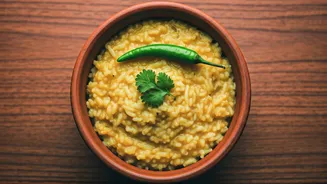
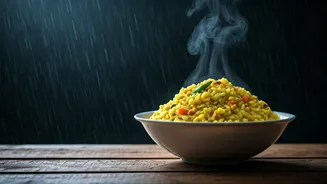
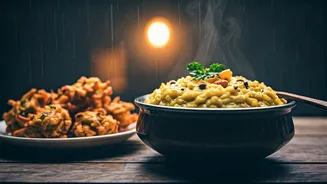
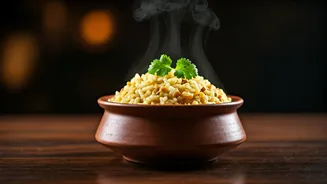
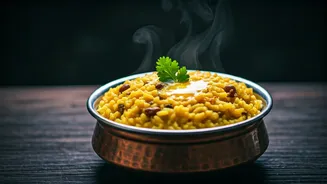
The answer to this primal, rainy-day craving is almost always the same humble, glorious dish: Khichdi. A deceptively simple pot of rice and lentils, it’s a meal that transcends class, region, and occasion. It is baby’s first solid food, a restorative
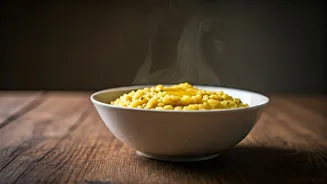
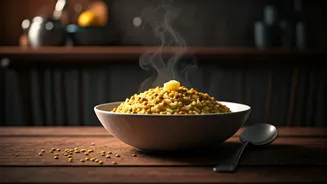
meal for the sick, a divine offering to the gods, and the most satisfying dinner when the world outside is wet and grey. Served steaming hot, perhaps with a dollop of golden ghee melting on top, a spoonful of tangy pickle, and a crunchy papad on the side, it’s not just food. It’s a feeling of home.
A History in Every Spoonful
Khichdi’s legacy is as rich as its flavour. The dish gets a mention in ancient Indian texts, with Greek ambassador Seleucus Nicator noting during his travels in the 4th century BCE that a rice-and-pulse dish was immensely popular among the people of the subcontinent. The Moroccan traveller Ibn Battuta wrote about 'kishri' in the 14th century, and Mughal emperors had their own royal versions, studded with rich ingredients and dry fruits. But its endurance comes from its simplicity. It’s the ultimate one-pot meal, a canvas for whatever spices and vegetables you have on hand, proving that true culinary genius often lies in making the most of the basics.
One Dish, Many Identities
While the soul of Khichdi—rice and lentils cooked together—remains constant, its expression changes every few hundred kilometres across India. In Bengal, the rainy season is synonymous with khichuri, often made with roasted moong dal and gobindobhog rice, and served with fried aubergine or a delectable mixed-vegetable curry. In Gujarat, vaghareli khichdi is a spicier, more savoury affair, tempered with mustard seeds, cumin, and curry leaves. Head south, and you’ll find its cousin, pongal, a creamy mix of rice and dal seasoned with black pepper, cumin, and cashews. In Uttar Pradesh and Bihar, it's a staple, especially during the Makar Sankranti festival. Each version tells a story of local produce, climate, and culture.
The Ultimate Comfort Formula
Why does Khichdi feel like a warm hug in a bowl? There’s a science to its comfort. The combination of rice (a carbohydrate) and lentils (a protein) creates a complete protein profile, providing all essential amino acids. It’s incredibly easy to digest, which is why it’s the go-to meal during illness or for those with sensitive stomachs. Turmeric, a key ingredient, is a powerful anti-inflammatory. The warm, soft texture is inherently soothing, requiring minimal effort to eat while delivering maximum nourishment and satisfaction. It’s a meal that heals and nurtures from the inside out.
Your Own Bowl of Sunshine
Ready to create your own rainy-day magic? Here’s a simple recipe for classic Masala Khichdi. **Ingredients:** 1/2 cup basmati rice; 1/2 cup toor (arhar) or moong dal; 1 onion, chopped; 1 tomato, chopped; 1 green chilli, slit; 1 tsp ginger-garlic paste; 1/2 tsp turmeric powder; 1/2 tsp red chilli powder; 1/2 tsp garam masala; pinch of asafoetida (hing); 1 tsp cumin seeds; 2 tbsp ghee or oil; 4 cups water; salt to taste. **Method:** Wash rice and dal together. Heat ghee in a pressure cooker and add cumin seeds and hing. When they splutter, add onions and sauté until soft. Add ginger-garlic paste and green chilli, cook for a minute. Add tomatoes and powdered spices (turmeric, red chilli). Cook until tomatoes soften. Add the rice-dal mix, sauté for two minutes, then add water, salt, and garam masala. Stir, close the lid, and cook for 3-4 whistles. Let pressure release naturally. Stir and serve hot.