




Myth: You Need Protein Powder to Build Muscle
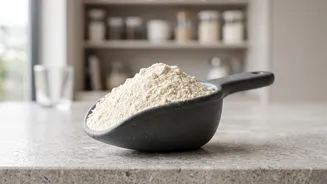
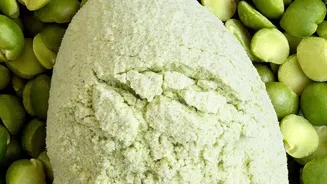
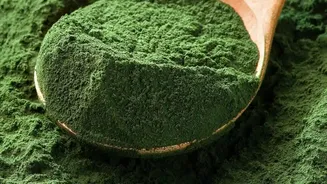
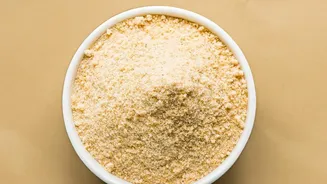
This is one of the biggest and most persistent myths in fitness. While protein is absolutely essential for repairing and building muscle tissue after exercise, the source of that protein is less important than the total amount you consume. Protein powders
are a convenient way to increase your intake, but they possess no magical properties that whole foods lack. A well-planned diet rich in whole food protein sources like chicken, fish, eggs, dairy, lentils, and legumes provides all the necessary amino acids for muscle growth. Studies have shown that as long as total daily protein intake is sufficient, there's no significant difference in muscle gains between people who use supplements and those who rely solely on food. The real keys are consistent training and meeting your daily protein target, not the form in which you get it.
Myth: More Protein Is Always Better
The idea of 'more is more' can be tempting, but your body has a limit to how much protein it can use for muscle synthesis at one time. For most people, consuming 20-40 grams of protein per meal is enough to maximize the muscle-building response. Anything beyond that is typically oxidized for energy or stored, not used for extra muscle. The Indian Council of Medical Research (ICMR) recommends a baseline of 0.83 grams of protein per kilogram of body weight for sedentary adults. Active individuals and those looking to build muscle may need more, typically in the range of 1.4 to 2.0 g/kg. Exceeding this consistently doesn't usually lead to better results and, in rare cases of extremely high intake, can cause digestive discomfort. Focus on quality and distribution across your meals rather than just quantity.
Myth: You Must Drink a Shake Within 30 Minutes of a Workout
The legendary 'anabolic window' is more of a barn door. The idea that you have a strict 30-minute window to consume protein post-workout or you'll lose all your gains has been largely debunked. While your muscles are more sensitive to protein after exercise, this heightened state lasts for several hours, not minutes. Research shows that as long as you consume a protein-rich meal within a few hours before or after your training session, you'll get the muscle repair and growth benefits. Total daily protein intake is far more critical than precise timing. If you trained in a fasted state, then a post-workout meal becomes more important, but for most people who have eaten during the day, there's no need to panic and chug a shake in the car.
Myth: Protein Shakes Will Make Women Bulky
This is a common fear that prevents many women from ensuring adequate protein intake. The truth is, protein powder alone will not make you 'bulky'. Building significant muscle mass is physiologically difficult for women due to lower levels of testosterone, a key hormone for muscle growth. Achieving a bulky physique requires a specific, intense weight training regimen combined with a significant calorie surplus over a long period. A protein shake is simply a source of protein and calories. Consumed as part of a balanced diet that meets your energy needs, it will aid in muscle recovery, support a toned physique, and help with satiety, but it won't magically add bulk.
Myth: It's Too Hard to Get Enough Protein From Food
While many Indian diets can be carbohydrate-heavy, hitting your protein goals with whole foods is entirely achievable with some planning. Whole foods offer benefits supplements can't, including fibre, vitamins, minerals, and other micronutrients that support overall health. They also promote greater satiety, keeping you fuller for longer, which is beneficial for weight management. Simple additions can significantly boost your protein intake: a serving of paneer (approx. 18g), a cup of cooked dal (approx. 9-12g), a couple of eggs (approx. 12g), or a serving of Greek yogurt (approx. 10g) can add up quickly. For non-vegetarians, a single 100g chicken breast contains over 30g of protein. Powders offer convenience, but a food-first approach provides a more complete nutritional package.