






Craft a Battle Plan Before the Sales Hit
The single most effective way to prevent overspending is to plan ahead. Before the first '50% Off' banner catches your eye, sit down and create a detailed list. Separate your 'needs' from your 'wants'. Do you need a new microwave, or do you just want the latest
model? This simple act of prioritisation is your first line of defence against impulse buys. Once your list is ready, assign a strict, non-negotiable budget to each item or category. Look at your income and existing expenses to determine a realistic amount you can afford to spend without borrowing. Treat this budget as your ultimate spending limit. Many people start shopping weeks in advance to spread out the financial impact and catch early-bird deals.
Know the Psychology of a 'Good Deal'
Retailers are masters of psychology, especially during festive seasons. They use tactics like flash sales, countdown timers, and 'only 2 left in stock' notifications to create a sense of urgency. This triggers a Fear Of Missing Out (FOMO), encouraging you to buy immediately without thinking. Another common trick is inflating the original price to make a discount appear larger than it is. To counter this, ask yourself one simple question before adding an item to your cart: 'Would I buy this at its full price?'. If the answer is no, you are likely being swayed by the discount, not the product's actual value. Understanding these emotional triggers helps you make rational decisions instead of reactive ones.
Master Your Payment Methods
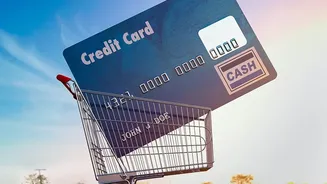
The easiest way to avoid credit debt is to not use credit. Whenever possible, use your debit card, UPI, or cash for purchases. This ensures you're only spending money you actually have. If you must use a credit card for its rewards or offers, do so with extreme discipline. Vow to pay the bill in full before the due date to avoid staggering interest charges, which can be as high as 40-45% annually. Be especially wary of 'Buy Now, Pay Later' (BNPL) schemes. While they seem convenient, they are a form of debt. Missed payments can lead to high penalties and negatively impact your credit score. Multiple BNPL purchases can quickly become difficult to track and manage, creating a potential debt trap.
Implement the 24-Hour Rule
Impulse purchases are the biggest budget-killers. To combat them, implement a mandatory 'cooling-off' period for any unplanned purchase. If you see something you want that wasn't on your list, add it to your cart or wishlist and walk away for at least 24 hours. This simple delay separates the emotional rush of the moment from the rational need for the item. More often than not, you'll find the urge to buy has vanished by the next day. This tactic is incredibly effective at filtering out purchases driven by boredom, stress, or clever marketing. It gives you time to research the product, compare prices on other platforms, and decide if it truly adds value to your life.
Focus on Value and Track Everything
A low price doesn't always mean a good deal. Sometimes, it's wiser to invest in a higher-quality item that will last for years rather than a heavily discounted one that will need replacing soon. Always check the warranty and return policies on sale items, as these can sometimes be restrictive. Finally, keep a real-time log of your spending. Use a budgeting app or a simple notebook to track every purchase, no matter how small. This helps you stay conscious of your budget and shows you how quickly small buys can add up. Seeing the numbers in black and white is a powerful motivator to stick to your plan and end the festive season with your finances—and your peace of mind—fully intact.