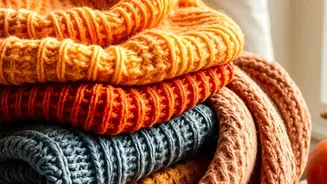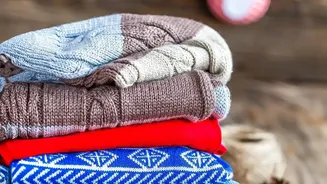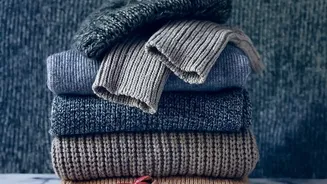




As winter arrives, out come the cosy woollen sweaters, scarves, and blankets. But one wrong step in the laundry room can lead to a shrunken, misshapen tragedy. The secret to keeping your favourite knits looking new lies in that tiny, often ignored, tag.
Why the Care Label Is Your Best Friend
That small tag stitched into the seam of your garment is more than just a piece of fabric; it's a set of instructions written by the people who made it. The manufacturer knows the exact blend of fibres and the specific treatments the yarn has undergone. Ignoring their advice is a gamble. Wool fibres have microscopic scales that can lock together when exposed to the wrong combination of heat, water, and friction, causing irreversible shrinkage or felting. The care label is your most reliable guide to preventing this. Following it can help a quality woollen garment last for years.
Decoding the Symbols
Fabric care labels use a universal language of symbols. Understanding them is key. The standard system has five symbols in a fixed order: wash, bleach, dry, iron, and professional care. For wool, the most important are the washtub (washing), the square (drying), and the circle (dry cleaning). - The Washtub: This symbol tells you about water. A number inside indicates the maximum temperature; for wool, this is typically 30°C or colder. A hand in the tub means 'hand wash only'. A line underneath the tub signals a gentle cycle with reduced agitation, crucial for preventing felting. - The Square: This relates to drying. A square with a circle inside is for the tumble dryer; an 'X' through it means do not tumble dry, which applies to most wool. A square with a horizontal line in the middle means to dry the item flat. - The Circle: A simple circle means the garment can be dry-cleaned. A circle with an 'X' means do not dry clean.
The Right Way to Wash
Whether you hand wash or machine wash depends on the label. If machine washing is permitted, always turn the garment inside out and use a mesh laundry bag for extra protection. Select the 'wool' or 'delicate' cycle and ensure the water is cold—never warm or hot. Crucially, use a special wool-safe detergent. Regular detergents can strip wool of its natural oils, leaving it brittle. For hand washing, fill a basin with cold water and dissolve a small amount of wool detergent. Submerge the garment and let it soak for about 30 minutes, gently pressing the water through it. Avoid vigorous rubbing or scrubbing, which causes felting. Rinse with cold water until the soap is gone.
Drying, a Delicate Process
Never, ever wring out a wet woollen or put it in a high-heat tumble dryer. The weight of the water will stretch the fibres, and the heat will shrink them. Instead, gently squeeze out excess water. Lay the garment on a clean, dry towel. Roll the towel and sweater together, pressing firmly to absorb more moisture. Then, unroll and lay the garment flat on a fresh towel or a drying rack, away from direct sunlight or heat. Gently reshape it to its original dimensions as it dries.
Storing for the Off_Season
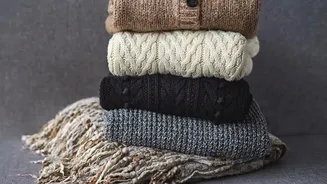
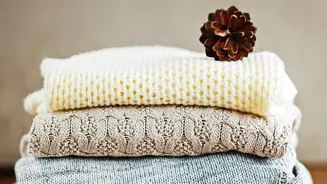
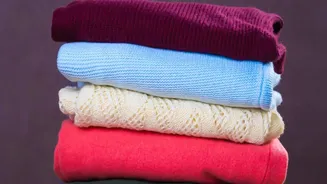
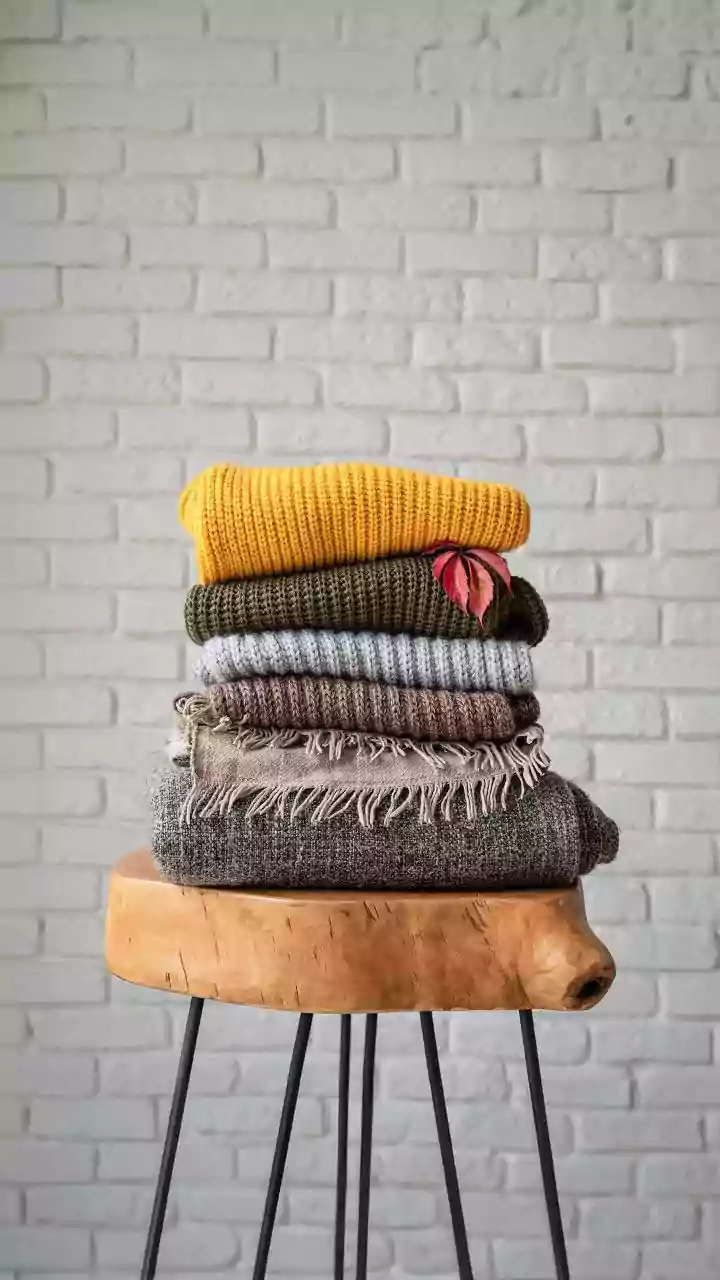
When it's time to pack your woollens away, proper storage is vital to protect them from moths and distortion. First, ensure every item is clean; body oils and food stains attract pests. Second, make sure they are completely dry to prevent mildew. The best way to store wool sweaters is to fold them flat. Hanging can cause the shoulders and neckline to stretch out over time. Store them in a cool, dark, dry place. Using breathable cotton bags or storage bins is ideal. For moth prevention, add natural deterrents like cedar blocks or lavender sachets.