







The Monsoon's Assault on Your Feet
During the rainy season, our feet are constantly exposed to moisture. Whether from walking through unavoidable puddles, getting caught in a downpour, or simply the high humidity in the air, keeping feet dry becomes a daily battle. This persistent dampness
does more than just feel uncomfortable; it weakens the skin's natural protective barrier. When the skin on your feet remains wet for extended periods, it becomes soft and waterlogged, a state known as maceration. This makes the skin more vulnerable to friction, blisters, and, most importantly, infections.
Why Moisture Is a Breeding Ground for Germs
Warm, dark, and moist environments are the perfect breeding ground for microorganisms like fungi and bacteria. When your feet are trapped inside damp socks and non-breathable shoes, you create an ideal ecosystem for these germs to thrive. This can lead to a host of unpleasant and often painful conditions. The most common is Athlete's Foot (tinea pedis), a fungal infection that causes itching, redness, peeling, and cracking, especially between the toes. Other risks include fungal nail infections, which can cause nails to become thick and discoloured, and various bacterial infections that can cause persistent foot odour, sores, or even more serious conditions like cellulitis if you have small cuts or cracks in your skin.
Your Daily Moisture Management Plan
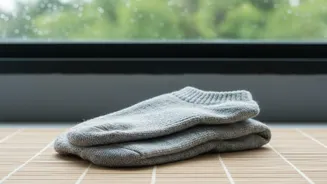
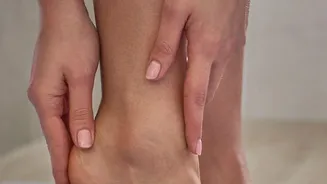
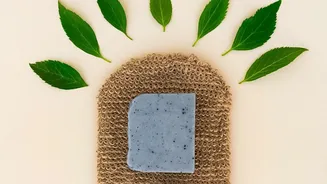
The cornerstone of monsoon foot care is a simple, consistent routine focused on keeping your feet as clean and dry as possible. As soon as you get indoors, remove wet shoes and socks. Wash your feet thoroughly with mild soap and water, paying special attention to the spaces between your toes. The most critical step is to dry them completely with a clean towel. Applying an antifungal or talcum powder can help absorb any lingering moisture and sweat throughout the day. It's also wise to exfoliate with a pumice stone once or twice a week to remove dead skin, which can trap moisture and harbor fungi.
Choosing the Right Monsoon Footwear
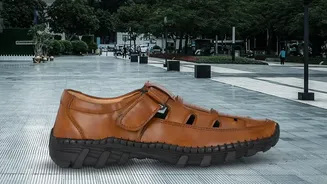
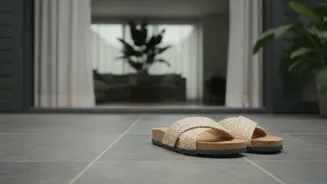
Your choice of footwear can make or break your foot health during the monsoon. Ditch closed leather or canvas shoes that absorb water and take ages to dry. Instead, opt for open-toed, waterproof footwear like sandals, floaters, or clogs made from rubber or PVC. These materials don't absorb water and allow for better air circulation, helping your feet to dry faster. It is also crucial to never wear the same pair of shoes two days in a row. Alternating between pairs gives your shoes at least 24 hours to dry out completely, preventing the buildup of fungus and bacteria inside them.
Essential Dos and Don'ts
DO: Change out of wet socks immediately. Carrying a spare pair is a great habit during the monsoon. DON'T: Walk barefoot, especially through puddles or on wet public floors, which can be teeming with germs. DO: Keep your toenails trimmed straight across to prevent dirt from accumulating underneath them. DON'T: Share footwear, socks, or towels, as this can easily spread fungal infections. DO: Moisturise your feet to prevent cracks, but avoid applying lotion between the toes where it can trap moisture.
When to Consult a Doctor
While good hygiene can prevent most problems, some situations require professional medical advice. If you notice persistent itching that doesn't improve, excessive peeling or cracking, painful blisters, discoloured toenails, or a foul odour that won't go away, it's time to see a doctor. These could be signs of an infection that requires specific treatment. People with diabetes should be especially vigilant, as even minor foot problems can lead to serious complications.