




The Art of the Perfect Cutlet
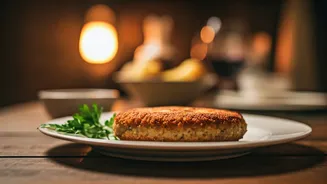
The humble cutlet, a thin slice of meat traditionally breaded and fried, is a culinary chameleon. Whether it’s chicken, pork, veal, or even a vegetable-based patty, the technique transforms simple ingredients into a deeply satisfying comfort meal. It’s
a staple in cuisines around the world for a reason: it’s fast, versatile, and universally loved. Mastering the cutlet isn't about a single, rigid recipe, but about understanding a few key techniques that guarantee a delicious outcome, whether you're making chicken Parmesan, a crispy sandwich, or simply serving it with a squeeze of lemon.
Prep Work: Pounding for Tenderness
The secret to a cutlet that cooks quickly and evenly is uniform thickness. This is achieved by pounding the meat. Start by slicing a chicken breast horizontally into thinner pieces. To avoid a mess, place the cutlet between two sheets of plastic wrap, parchment paper, or inside a large zip-top bag. Using the flat side of a meat mallet, a rolling pin, or even a heavy pan, gently but firmly pound the meat, working from the center outwards until it’s about a quarter-inch thick. This process not only ensures even cooking but also tenderizes the meat, breaking down tough muscle fibres. Before you start, be sure to trim away any excess fat or tough sinew, which can cause the cutlet to curl up and cook unevenly.
Mastering the Breading Station
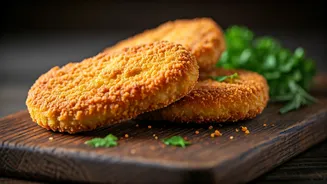
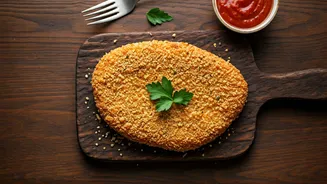
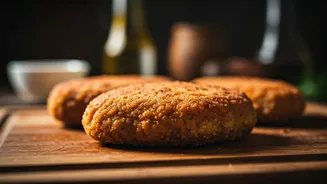
The key to a perfectly crisp crust that adheres to the cutlet is the standard three-stage breading procedure. You’ll need three shallow dishes. The first contains all-purpose flour, the second holds beaten eggs with a splash of water, and the third has your breadcrumbs. Seasoning each layer is crucial for flavour. First, dredge the dry cutlet in the flour, shaking off any excess. The flour absorbs moisture and helps the egg wash stick. Next, dip it into the egg wash, allowing the excess to drip off. Finally, press the cutlet firmly into the breadcrumbs, ensuring an even, generous coating. For an extra crispy texture, panko breadcrumbs are highly recommended. Letting the breaded cutlets rest for 5-10 minutes before frying helps the coating set and stick better during cooking.
The Golden Rule: Frying to Perfection
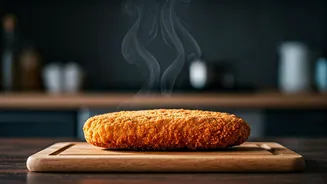
Proper frying technique is what separates a sublime cutlet from a soggy, greasy one. Use a heavy skillet and enough neutral oil with a high smoke point, like canola or avocado oil, to come about a quarter- to a half-inch up the side of the pan. The oil temperature is critical; it should be between 350-375°F. If you don’t have a thermometer, a good test is to drop a breadcrumb into the oil—if it sizzles immediately, the oil is ready. Gently place one or two cutlets in the pan, being careful not to overcrowd it, which can lower the oil temperature and result in greasy chicken. Fry for about 2-4 minutes per side, until deep golden brown and the internal temperature reaches 165°F for chicken. Once cooked, transfer the cutlets to a wire rack to allow excess oil to drip off, and immediately sprinkle with a little salt and a squeeze of fresh lemon juice.
Beyond Chicken: Cutlet Variations
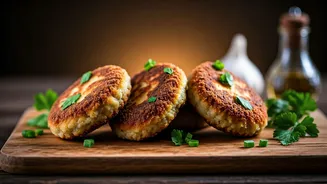
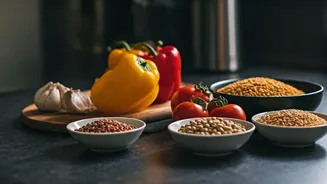
While chicken is a classic choice, the cutlet method works beautifully with other proteins. Thinly pounded pork or veal makes for a fantastic schnitzel. For a vegetarian option, you can create patties from a mixture of boiled and mashed vegetables like potatoes, carrots, peas, and beans, seasoned with spices like garam masala. This mixture is then shaped, coated in batter and breadcrumbs, and fried until golden. Paneer or halloumi slices also hold up well to breading and frying, offering a satisfying alternative. For flavour variations, try adding grated Parmesan cheese, Italian seasoning, or garlic powder to your breadcrumbs for an Italian-style cutlet.
Serving Your Comfort Creation
The beauty of a homemade cutlet lies in its versatility. For a simple, elegant meal, serve with lemon wedges and a fresh arugula salad. They also pair perfectly with heartier sides like mashed potatoes, roasted vegetables, or buttered noodles. A crispy cutlet is the foundation for classic dishes like chicken Parmesan, served over spaghetti with marinara sauce. You can also slice them up to top a Caesar salad or place one in a soft roll with some spicy mayo for an incredible sandwich.