



The Protein Puzzle
For any athlete, protein is non-negotiable. It's essential for repairing and building muscle tissue after intense training. Your muscles don't necessarily care if the protein comes from an animal or a plant; they just need the right building blocks to
grow. The challenge for plant-based eaters is that most individual plant foods are considered "incomplete" proteins. This means they are low in one or more of the nine essential amino acids (EAAs) that our bodies cannot produce on their own. Think of these EAAs as a team of nine key players needed for a construction project—if one is missing, the whole job stalls.
Understanding Amino Acid Teams
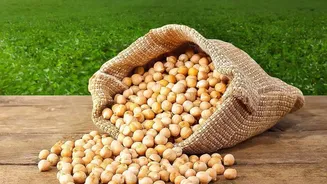
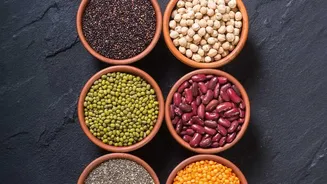
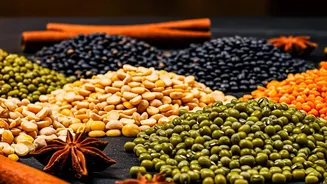
Animal proteins like meat, eggs, and dairy are "complete" proteins, meaning they contain all nine essential amino acids in sufficient amounts. Some plant foods, like soy (tofu, tempeh, edamame), quinoa, and buckwheat, are also complete proteins. However, many other staples of a vegetarian diet are not. For example, grains like rice and wheat are often low in the amino acid lysine. On the other hand, legumes like beans, lentils, and chickpeas are rich in lysine but tend to be low in another amino acid, methionine. This is where the concept of 'plant protein synergy,' or complementary proteins, becomes a game-changer.
The Power of Protein Pairing
Plant protein synergy is the strategy of combining two or more incomplete plant protein sources to form a complete amino acid profile. By pairing foods that have different limiting amino acids, you ensure your body receives all the building blocks it needs to trigger muscle protein synthesis—the process of building new muscle. For instance, when you eat rice and beans together, the lysine from the beans compensates for the lack in the rice, and the methionine from the rice makes up for what's low in the beans. Together, they create a high-quality protein source comparable to that of animal products. This strategic pairing ensures that your muscles get the full spectrum of amino acids required for repair and growth.
Your Plate’s Perfect Partners
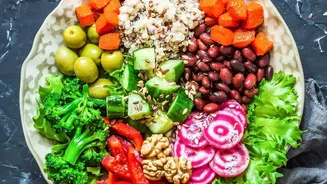
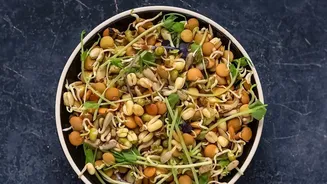
This might sound complicated, but many traditional meals already do this naturally. The classic Indian meal of dal (lentils) and rice is a perfect example of protein complementation. Other powerful pairings include hummus (chickpeas and sesame-based tahini) with whole-wheat pita, peanut butter on whole-grain bread, and a quinoa salad with chickpeas. You don't even need to eat these complementary proteins in the same meal. As long as you consume a variety of plant protein sources—legumes, grains, nuts, and seeds—throughout the day, your body can pool the amino acids to get what it needs.
Beyond Pairing: What Athletes Need
For athletes looking to maximise muscle growth, hitting a total protein target is crucial, with recommendations often falling between 1.2 to 2.0 grams of protein per kilogram of body weight daily. Within that target, it's important to get enough leucine, a specific EAA that acts like an ignition switch for muscle building. Leucine-rich plant sources like soy, lentils, and pumpkin seeds are excellent choices to include regularly. By focusing on variety, strategic pairing, and sufficient total intake, vegetarian athletes can create a powerful nutritional framework that not only rivals but can fully support elite levels of strength and muscle development.