






Why Fibre is a Diet's Best Friend
In the confusing world of diet trends, fibre is a refreshingly simple hero. It’s a type of carbohydrate the body can’t digest, but its benefits are profound. The primary reason high-fibre meals work for 'real diets' is their effect on satiety. Fibre-rich
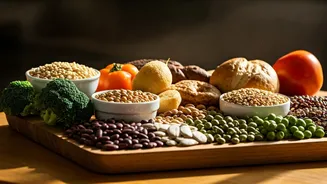
foods, like dals, legumes, and whole grains, absorb water and expand in your stomach, making you feel fuller for longer. This natural appetite control means you’re less likely to overeat or reach for unhealthy snacks between meals. It’s not about willpower; it’s about working with your body’s natural hunger cues. Furthermore, this slow-and-steady energy release helps prevent the sharp blood sugar spikes and crashes associated with refined carbs, which often lead to cravings and energy slumps.
More Than Just 'Roughage'
Fibre comes in two main forms, and both are essential. Soluble fibre, found in oats, barley, apples, and beans, dissolves in water to form a gel-like substance. This gel helps lower blood cholesterol and glucose levels. Think of it as the component that contributes to that lasting feeling of fullness. Insoluble fibre, found in whole-wheat flour, nuts, and vegetables like cauliflower and green beans, does not dissolve. Instead, it adds bulk to your stool and helps food pass more quickly through the digestive system. This is crucial for maintaining regular bowel movements and supporting overall gut health. A truly effective high-fibre diet includes a rich variety of both types, ensuring you get the full spectrum of benefits.
Building the Perfect High-Fibre Plate
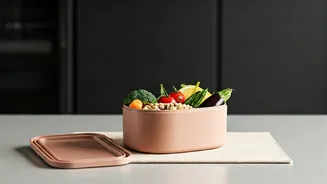
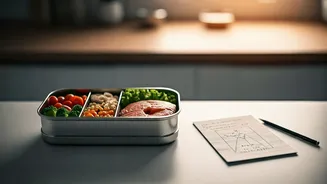
Forget complicated calorie counting. A simple way to structure your meals is to ensure fibre is always a star player. Aim to fill half your plate with non-starchy vegetables—think spinach, bhindi, cabbage, or gourds. These are packed with fibre and nutrients but low in calories. Dedicate one-quarter of your plate to a lean protein source. The final quarter should be your high-fibre carbohydrate. This is where you can make a huge impact. Instead of white rice, opt for brown rice, millets like jowar or bajra, or quinoa. Pair your sabzi with whole-wheat rotis instead of those made from refined maida. A bowl of dal or a serving of chickpeas (chana) can also be a fantastic addition, serving as both a protein and a fibre source.
Simple Swaps for the Indian Kitchen
Integrating more fibre doesn't require a complete overhaul of your eating habits. It’s about making smarter, incremental changes. Start your day with oatmeal (daliya) or a ragi porridge instead of a processed cereal. When making poha, be generous with the vegetables and peanuts. For lunch and dinner, ensure a lentil dish (dal, sambar) is always on the menu. Swap out your regular atta for a multigrain version or one with added bran. Snacking is another easy win. Instead of packaged biscuits, reach for a handful of roasted chana, a piece of fruit, or some nuts. These small, consistent swaps add up significantly over the course of a day and make your diet effortlessly healthier.
A Note on Water and Going Slow
As you increase your fibre intake, it's absolutely crucial to also increase your water intake. Fibre works by absorbing water, so if you don't drink enough, it can lead to bloating, gas, and constipation—the opposite of what you want! Aim for at least 8-10 glasses of water per day. Also, introduce fibre into your diet gradually. If you suddenly switch from a low-fibre to a very high-fibre diet, your digestive system may be overwhelmed. Start by making one or two swaps a day for the first week, and then slowly build from there. This gives your gut bacteria time to adjust, ensuring a smooth and comfortable transition to your new, healthier way of eating.