






Defining the ‘Toy’ Aesthetic
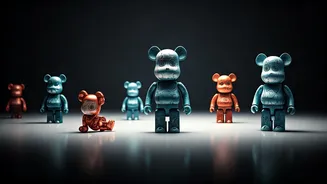
Before we get into the ‘why’, let’s define the ‘what’. This wildly popular AI style can be best described as a digital mash-up of a Funko Pop vinyl figure and a character from a Pixar movie. The figures typically have oversized heads, large, expressive
eyes, and a smooth, reflective surface that makes them look like freshly unwrapped plastic or vinyl toys. Their bodies are simplified, their poses are often dynamic but simple, and they usually stand on a small, circular platform, enhancing the illusion of a physical collectible. Whether it's reimagining the cast of *Friends* or picturing cricketers as action figures, the core appeal is transforming the familiar into something new, adorable, and seemingly tangible.
The Irresistible Pull of Cuteness
The primary driver behind this trend is a powerful psychological trigger: cuteness. Scientists call the attraction to baby-like features ‘neoteny’. Large heads, big eyes, and small noses trigger a nurturing response in our brains, flooding us with feelings of affection and protectiveness. It's an evolutionary shortcut designed to make us care for our young, but it works just as well on puppies, kittens, and, as it turns out, AI-generated toys. These glossy figures are engineered for maximum cuteness. Their exaggerated features hijack this part of our brain, making our immediate reaction a heartfelt “Aww!” This emotional response is the first and most crucial step towards hitting the ‘share’ button.
Nostalgia in a Digital Bottle
This AI style doesn't just tap into our biology; it taps into our biography. For anyone who grew up collecting action figures, playing with dolls, or watching animated films, these images evoke a powerful sense of nostalgia. They remind us of the simple joy of childhood toys and the colourful worlds we escaped into. The glossy finish and collectible-style poses specifically echo the aesthetics of brands like Funko Pop and Disney Infinity, which have dominated pop culture collectibles for the last decade. By rendering beloved movie characters or historical figures in this style, creators create a comforting and instantly recognisable visual language. It feels both new (because it's AI) and deeply familiar (because it reminds us of our past).
Designed for Social Media Success
The toy figure style is perfectly calibrated for the social media ecosystem. Each image is a self-contained piece of visual candy: it’s bright, eye-catching, and requires zero explanation. In a fast-scrolling feed, these images stand out. The combination of a familiar character with an unexpected (but delightful) art style creates what social media experts call 'thumb-stopping content'. Furthermore, the 'what-if' nature of the prompts—'What if the Avengers were from the Mughal era?' or 'What if politicians were adorable toddlers?'—sparks curiosity and engagement. People don't just see the image; they comment on the concept, tag friends who would love it, and share it to their own stories, making it a highly efficient vehicle for viral spread.
The Allure of Accessibility
Finally, there’s a practical reason for this trend’s dominance: it’s relatively easy to create. AI image generators like Midjourney and DALL-E have been trained on vast datasets that include 3D animation, video game characters, and product photography. Prompts like “Funko Pop style,” “Pixar style character,” or “cute 3D vinyl toy” are well-understood by the AI, producing consistent and high-quality results even for beginners. This low barrier to entry means that anyone with an idea can bring it to life in minutes. This accessibility has democratised creativity, allowing a massive number of users to participate in the trend, generating an endless stream of new figures that keeps the style fresh and constantly visible in our feeds.