


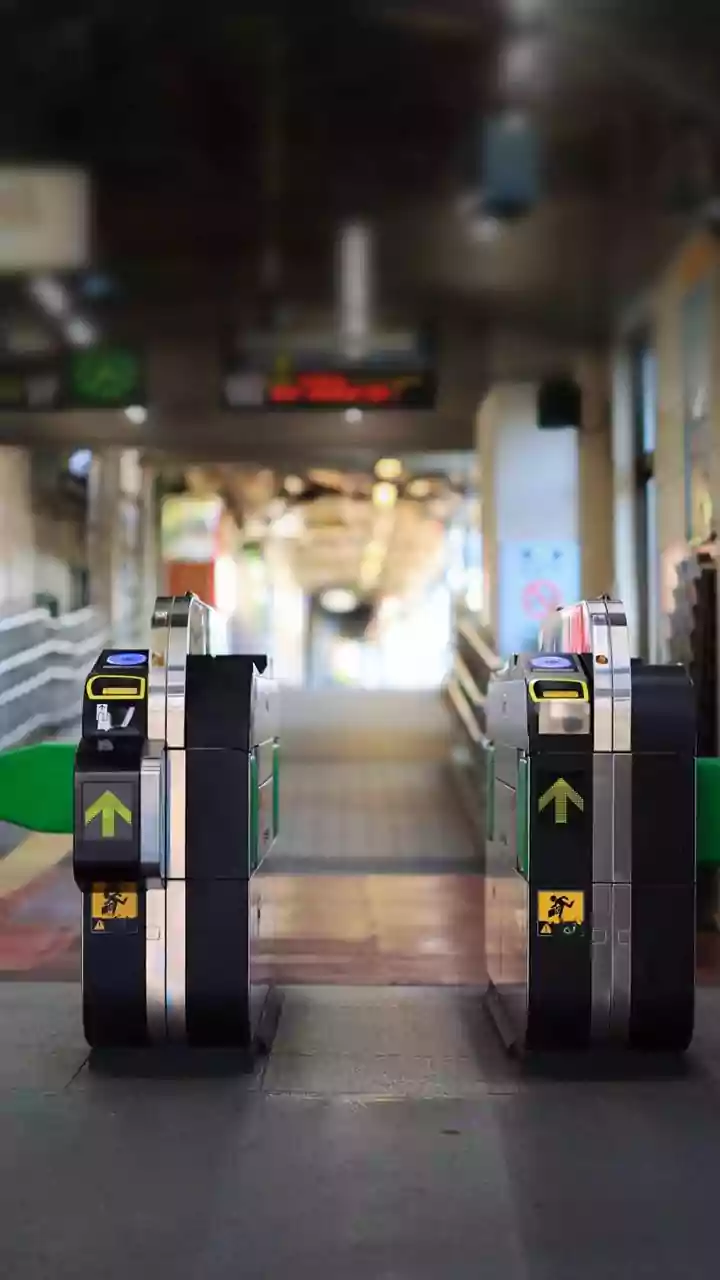




The Seamless Airport Dream
The airport of the future is already arriving. Major terminals worldwide are investing in technologies that promise to transform the often-frustrating travel experience into a smooth, automated process. The vision is compelling: using biometrics like
facial recognition, passengers could walk from the kerb to their gate without ever showing a physical document. This 'seamless travel' concept, accelerated by the pandemic's push for contactless solutions, relies on a complex web of integrated digital systems. AI-powered algorithms are designed to manage passenger flow, predict congestion, and optimize gate assignments in real-time, while smart baggage systems aim to eliminate lost luggage. According to the International Air Transport Association (IATA), 75% of passengers prefer using biometrics over traditional passports, signaling a clear demand for this high-tech future. The goal is to make airports less of an operational bottleneck and more of a pleasant, efficient space.
When the Digital Route Fails
For all its promise, this digital ecosystem has a critical vulnerability: its reliance on constant, flawless connectivity. The entire seamless journey depends on disparate systems—from airline reservations to airport security and baggage handling—communicating perfectly. When one part of that chain breaks, the whole process can grind to a halt. A recent, stark reminder of this fragility occurred on July 18, 2026, when a technology outage hit United Airlines. The failure of its reservation and check-in system led to a nationwide ground stop, with thousands of flights cancelled or delayed. Passengers reported chaos as they were unable to check in, drop bags, or board flights, forcing staff to resort to slow manual processes. This single incident highlights the cascading effect of a tech failure. It’s not just an inconvenience; it causes significant operational and financial damage and leaves passengers stranded.
More Than Just a Backup
The aviation industry itself understands the importance of redundancy. Modern aircraft are built with multiple backup systems for every critical function, from hydraulics to flight controls, ensuring that a single failure doesn't become a catastrophe. It’s a core principle of safety engineering. The same logic must be applied to airport ground operations. An 'offline route' is more than just having staff trained for manual check-ins; it’s a philosophy of resilience. It means ensuring that in the event of a power cut, cyber-attack, or simple server failure, there is a robust, non-digital process to keep people moving. This includes everything from the ability to process paper tickets and passports to having clear, non-digital signage and communication plans. This offline capability also serves passengers who are not digitally native, ensuring that the elderly, those with accessibility needs, or anyone without a smartphone aren't left behind by the march of technology.
Building a Resilient Future
The challenge for airports isn't to choose between technology and tradition, but to integrate them intelligently. True innovation lies in creating a system that is both highly efficient and deeply resilient. Experts stress that digital transformation is not just about implementing the latest technology, but about changing how an organization operates to harness its full potential while mitigating risks. This means breaking down data silos between airlines, ground handlers, and airport authorities to create a unified operational view, which can help predict and manage disruptions. However, it also means building that system on the assumption that it will, at some point, fail. The 'offline route' shouldn't be seen as a relic of the past, but as a crucial feature of a truly smart and passenger-focused airport. It is the ultimate fail-safe that guarantees the system can function even when its most advanced components cannot.