





The Science of Staying Dry
The magic of quick-dry clothing lies in its fabric technology, which is designed to manage moisture instead of just absorbing it. Unlike cotton, which acts like a sponge and holds onto water, quick-dry materials are typically made from synthetic fibres
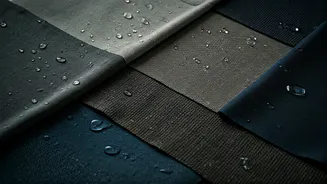
like polyester and nylon. These fibres are 'hydrophobic', meaning they repel water. The technology works through a process called wicking. When the fabric gets wet from rain or sweat, its structure pulls moisture away from your skin and pushes it to the outer surface. Once there, the moisture spreads out over a larger area, allowing it to evaporate much more quickly. This process keeps you from feeling cold and clammy and helps the garment return to a dry state in a fraction of the time it would take for cotton.
Your Monsoon Fabric Guide
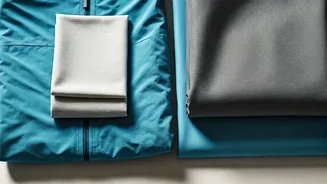
When building a rainy-day wardrobe, the material is everything. Polyester is a champion in this category; it's durable, resists wrinkles, and is one of the fastest-drying fabrics available. Nylon is another excellent choice, known for its exceptional strength and light weight, making it perfect for outerwear like rain jackets. While often associated with winter, lightweight merino wool is a natural fibre that performs surprisingly well. It can absorb a significant amount of moisture without feeling wet and is naturally odour-resistant. On the flip side, the fabric to avoid at all costs during the monsoon is cotton. While breathable in dry heat, cotton absorbs a large amount of water and dries very slowly, leaving you feeling heavy, damp, and uncomfortable for hours.
More Than Just Fast Drying
The benefits of quick-dry apparel extend beyond just shedding water. These fabrics are engineered for performance, which translates to a more comfortable commute. They are incredibly lightweight, so you won’t feel weighed down even when damp. Enhanced breathability is another key feature; it allows air to circulate, preventing that sticky, stuffy feeling common in humid weather. This also helps regulate body temperature, keeping you cooler. Many quick-dry garments are also wrinkle-resistant, a huge plus when you're dashing through the rain and need to look presentable upon arrival. Finally, because moisture evaporates so quickly, it inhibits the growth of odour-causing bacteria, keeping your clothes fresher for longer.
Building a Commute-Proof Wardrobe
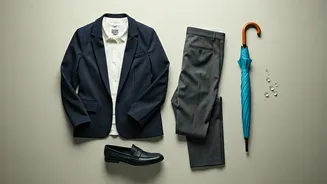
Integrating quick-dry pieces into your work attire is easier than you might think. For tops, look for smart shirts and blouses made from polyester blends or even Tencel, which balances a professional look with good moisture management for less intense weather. For trousers, many brands now offer stylish chinos and formal pants made from nylon-spandex blends that provide stretch, water resistance, and quick-dry capabilities. A lightweight, packable rain jacket made of nylon or polyester is a non-negotiable item. It can be easily stored in your bag and thrown on during a sudden downpour. Even choosing quick-dry socks and undergarments can make a significant difference in your overall comfort, preventing skin irritation on a long, wet day.
Caring for Your Quick-Dry Gear
To keep your quick-dry clothes performing at their best, a little care goes a long way. It's best to wash them in cool or warm water, as high heat can damage the synthetic fibres. A gentle wash cycle is also recommended. One of the most important tips is to avoid using fabric softener. These products can leave a residue that clogs the fabric's pores, impeding its moisture-wicking ability. While many items are machine washable, air-drying is the safest and most effective method. Thanks to their quick-dry nature, they won't need much time on the line. If you must use a dryer, select the lowest heat setting.