

The Tale of Two Monsoons
First, a quick geography lesson. South India is influenced by two different monsoon systems. The well-known southwest monsoon drenches most of the country between June and September. However, from October to December, the northeast monsoon activates,
bringing significant rainfall primarily to the southeastern coast, affecting states like Tamil Nadu and Andhra Pradesh, and the union territory of Puducherry. This means that while much of India enters a dry, pleasant winter, the Coromandel Coast is experiencing its main rainy season. For beach lovers, this is the most critical factor to consider.
West Is Best for Winter Sun
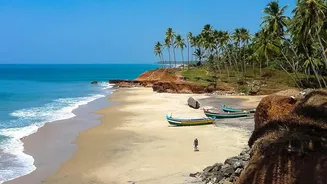
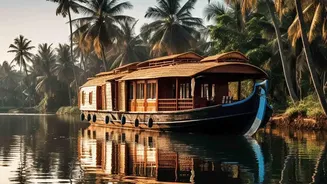
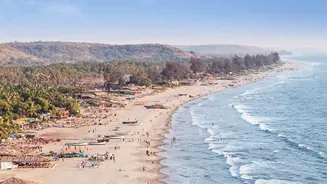
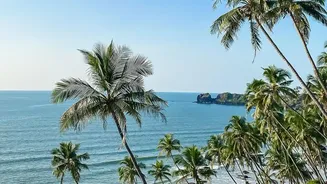
For a classic, sun-drenched beach vacation between November and February, your best bet is India's west coast. States like Kerala and Karnataka will have largely moved past the monsoon, offering clear skies, calmer seas, and wonderfully pleasant temperatures. This is the peak tourist season for a reason: the weather is ideal for swimming, sunbathing, and exploring the coastline without the interruption of rain. The Arabian Sea is generally more welcoming during these months, with gentle waves suitable for a relaxing dip.
Prime Picks: Kerala’s Coastal Gems
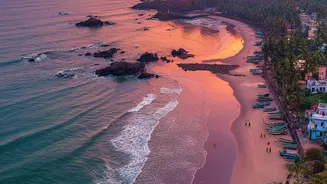
Within the west coast, Kerala offers some of the most scenic and popular choices. Varkala is famous for its stunning red cliffs that run parallel to the shore, offering breathtaking sunset views from a strip of bustling cafes and shops. The main beach, Papanasam, is not only beautiful but also has lifeguards, making it a relatively safer option for swimming. Further south, Kovalam’s Lighthouse Beach provides a more established resort feel with its crescent-shaped shoreline and numerous wellness retreats. Both destinations are at their prime in winter, with comfortable weather perfect for both relaxation and activities like surfing on the gentler swells.
Gokarna: A Quieter Karnataka Alternative
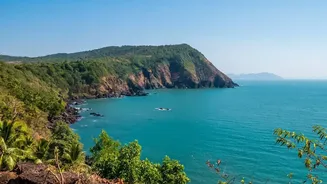
If you prefer a more rustic and laid-back atmosphere, consider Gokarna in Karnataka. Often seen as a quieter alternative to Goa, Gokarna is a pilgrimage town surrounded by a series of pristine beaches, each with its own distinct character. Beaches like Kudle and Om are famous for their crescent shapes and relaxed vibe, accessible via scenic treks or short boat rides. The period from October to March is ideal here, with pleasant weather perfect for beach hopping, trekking the coastal path, and enjoying a simpler, more tranquil escape. It's a top choice for backpackers and those looking to connect with nature without the commercial buzz of more developed beach towns.
The East Coast: For the Off-Season Adventurer
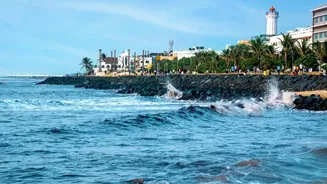
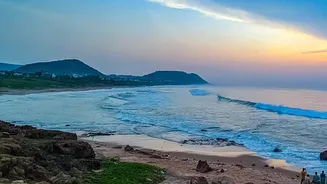
So, what about the east coast? While it's monsoon season, a trip here isn't entirely off the table—it just requires a different mindset. The northeast monsoon can bring heavy downpours and choppy seas to the coasts of Tamil Nadu and Puducherry, making swimming and water sports unsafe. The beaches at this time are less for sunbathing and more for appreciating the dramatic, moody beauty of a stormy sea. Recent weather forecasts for late November 2026, for example, predict renewed monsoon activity and heavy rainfall in Tamil Nadu and coastal Andhra Pradesh.
Culture Over Swimming in Puducherry and Mahabalipuram
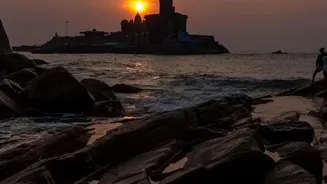
If you do choose the east coast in winter, focus on the rich cultural experiences available. In Puducherry, the main draw is the charming French Quarter, with its colonial architecture, chic boutiques, and spiritual ashrams. Similarly, Mahabalipuram offers a spectacular open-air museum of UNESCO-listed, 7th-century shore temples and rock-cut sculptures. While the sea currents are often too strong for swimming even in the best of times, the winter months provide a cool, pleasant climate for exploring these historical wonders on foot. The Mahabalipuram Dance Festival, held in December and January, is another major draw.