





The Power of Pure Flavour
The magic of a good sorbet lies in its elegant simplicity. Unlike ice creams or custards, which often use dairy fat as a flavour carrier, sorbet is typically just fruit purée, water, and sugar. This minimalist composition allows the star ingredient—the
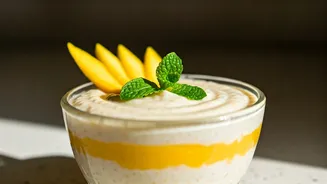
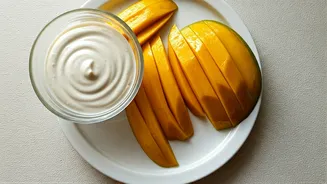
fruit—to shine with unparalleled intensity. When you taste a spoonful of mango sorbet, you’re not tasting a vague hint of mango; you’re experiencing the concentrated essence of the fruit itself. The flavour is direct, clean, and vibrant. This purity is a stark contrast to desserts where the main flavour is often competing with heavy cream, egg yolks, or a dozen different mix-ins. It’s a return to appreciating an ingredient for what it is, offering a taste experience that is both sophisticated and wonderfully straightforward.
A Naturally Dairy-Free Delight
For a growing number of people, dairy is either a dietary restriction or a choice they prefer to avoid. This is where sorbet truly excels. As a naturally dairy-free and vegan-friendly option, it opens up the world of frozen desserts to everyone at the table. There’s no need for plant-based milk substitutes or complicated recipes to mimic the texture of ice cream. Sorbet’s texture is its own unique strength—a dense, smooth crystalline structure that melts cleanly on the tongue. This lack of dairy fat is also what makes it feel so light. It doesn't coat your palate in the same way a creamy dessert does, leaving you feeling refreshed and cleansed rather than weighed down and sluggish. It's the perfect, inclusive ending to a shared meal.
The Perfect Canvas for Indian Fruits
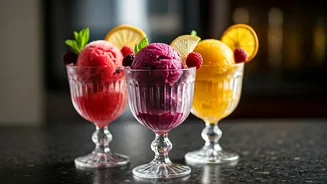
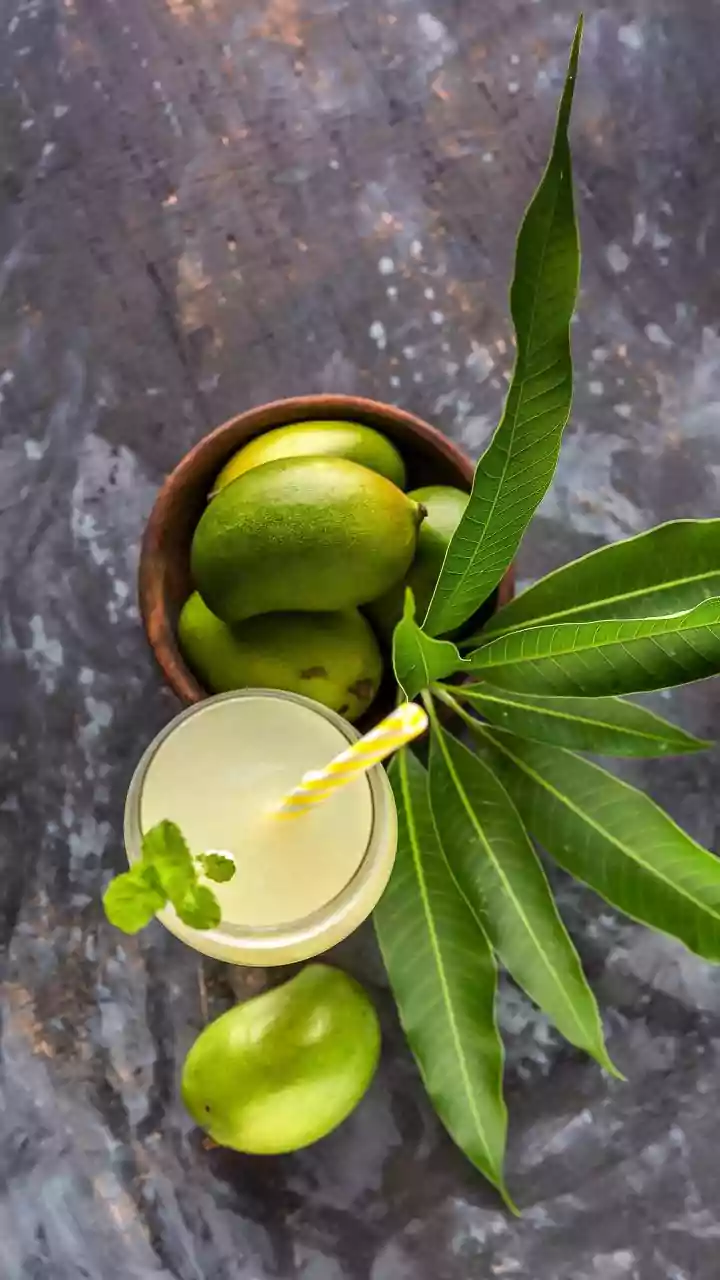
While classic lemon and raspberry sorbets are wonderful, the format is practically tailor-made for the incredible bounty of Indian fruits. Imagine a deep purple Jamun sorbet, capturing that perfect balance of sweet, sour, and astringent. Or a fragrant Lychee sorbet that tastes like summer in a scoop. The king of fruits, mango, transforms into a glorious Alphonso or Kesar sorbet that is pure sunshine. Even tart and tangy flavours like kokum, tamarind, or kala khatta find a perfect home in sorbet, offering a jolt of refreshment that is deeply rooted in local palates. These familiar flavours, presented in a refined and cooling form, make sorbet feel both excitingly new and comfortingly familiar.
More Than Just a Dessert
Sorbet’s role extends far beyond being just the final course. In classic fine dining, a small scoop of a sharp, citrusy sorbet—often lemon or lime—is served between courses as a palate cleanser. Its job is to reset the taste buds, washing away the flavours of the previous dish to prepare you for the next one. This principle works just as well at home. After a spicy biryani or a rich curry, a spoonful of sorbet can cut through the heat and oils, providing a moment of cool respite. It’s also incredibly versatile. You can add a scoop to a glass of sparkling wine to create an instant cocktail, blend it with a little juice for a quick slushie, or serve it alongside a simple fruit salad to add a touch of elegance.
A Lighter, Brighter Indulgence
In an era where we are more conscious of what we eat, sorbet offers a way to indulge without the guilt. Being fat-free, it is generally lower in calories than its creamy counterparts. While it does contain sugar, which is essential for its smooth texture, the overall feeling is one of lightness. It satisfies the craving for something sweet and cold after a meal, especially in India’s hot and humid climate, without the richness that can leave you feeling overly full. It's a dessert that energises rather than sending you straight to the sofa for a nap. This combination of intense flavour and a light footprint makes it the smart, modern choice for anyone who believes dessert should be a joyful and refreshing punctuation mark, not a heavy full stop.