


The Grain of Winter
Bajra, or pearl millet, is more than just a grain; it is a seasonal signal. Primarily cultivated in the arid and semi-arid regions of India, this hardy, gluten-free millet is perfectly suited for the country's climate. But its role deepens in winter.
According to traditional wisdom and Ayurvedic principles, bajra has a warm potency ('taseer'), meaning it naturally generates heat in the body. This makes it the ideal grain to consume during colder months, providing sustained energy and a feeling of warmth from within. Rich in essential nutrients like iron, magnesium, protein, and phosphorus, bajra is a powerhouse of health benefits, supporting everything from digestion to bone strength. Its high fibre content ensures a slow release of energy, keeping you full and active throughout the day, which is why it has been a winter staple for generations.
The Charm of Homemade Butter
The perfect partner to the earthy, rustic bajra roti is 'safed makhan', or homemade white butter. This is not the salted, yellow block from the supermarket. White butter is pure, unsalted butterfat, separated from cream through a process of churning. Traditionally, families would collect the thick layer of cream ('malai') from boiled milk over several days. This collected cream, often cultured with a little yogurt, would then be churned in a clay pot ('matki') with a wooden churner ('madhani'). The process requires patience, as the cream slowly thickens and separates into butterfat and buttermilk. The resulting butter is soft, creamy, and has a mild, fresh flavour that is incomparable. While modern blenders and food processors have made the process faster, the result is the same: a luscious, unprocessed butter that melts instantly on a hot roti.
A Culinary Map of Comfort
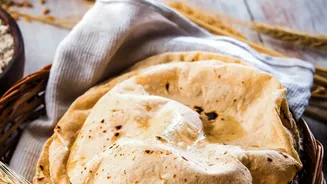
The culture of eating bajra roti with white butter is most prominent in the western and northern states of India. In Rajasthan, thick bajra rotis cooked over cow dung cakes for a smoky flavour are a staple, often served simply with white butter, a fiery garlic chutney ('lasan ki chutney'), and raw onions. It's considered the quintessential food of the region, embodying the simplicity and resilience of its people. Similarly, in Gujarat, 'bajri no rotlo' is a beloved comfort food, enjoyed with butter, jaggery ('gud'), and sometimes the iconic winter vegetable dish, 'undhiyu'. The tradition extends into Haryana, Uttar Pradesh, and Punjab, where the combination is a cherished part of winter cuisine, often appearing alongside other seasonal specialties like 'sarson ka saag' (mustard greens). While the accompaniments may vary slightly, the core combination of the hearty millet flatbread and creamy butter remains a shared symbol of winter comfort.
More Than a Meal: A Winter Ritual
Enjoying bajra roti and white butter is often a communal affair that goes beyond the plate. It evokes feelings of nostalgia, family, and the simple pleasures of life. The act of patting the dough by hand, cooking it on a hot griddle ('tava') until it puffs up with rustic brown spots, and serving it immediately captures a sense of care and tradition. This meal is a fixture during winter outings and family picnics, where the simple, robust flavours feel perfectly at home in the crisp outdoor air. It connects the diner to the land and the agricultural cycles that have defined Indian life for centuries. Eating this combination is an experience that engages all the senses—the nutty aroma of the cooking roti, the sight of butter melting into its coarse texture, and the grounding, wholesome taste.