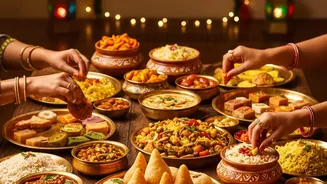




In cities buzzing with food delivery apps and global cuisines, a quiet but powerful shift is underway. Families are looking past fleeting trends and finding the future of sustainable eating in a familiar place: their own regional culinary heritage.
A Conscious Uncoupling from Convenience
For
years, the urban Indian kitchen has been caught in a whirlwind of convenience. Hectic schedules and the allure of endless choice on-demand made cooking feel like a chore to be outsourced. Yet, a growing number of families are now intentionally slowing down and looking inward. This isn't just about nostalgia; it's a conscious reaction to the environmental and health costs of a hyper-convenient food system. The conversation is shifting from 'what’s fastest?' to 'what’s truly nourishing?'. This has led many to the realisation that traditional Indian food practices, long before terms like 'sustainable' and 'eco-friendly' became popular, were inherently designed for balance with nature. People are rediscovering that the wisdom of their grandparents' kitchens offers a practical roadmap for a healthier, more sustainable life.
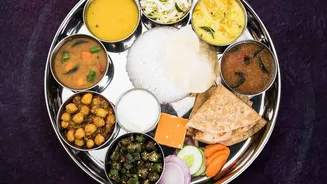
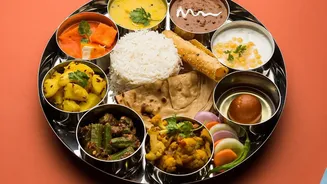
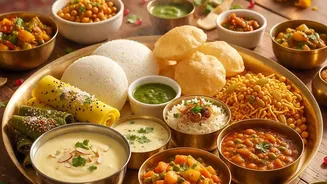
The Sustainable Wisdom of the Indian Thali
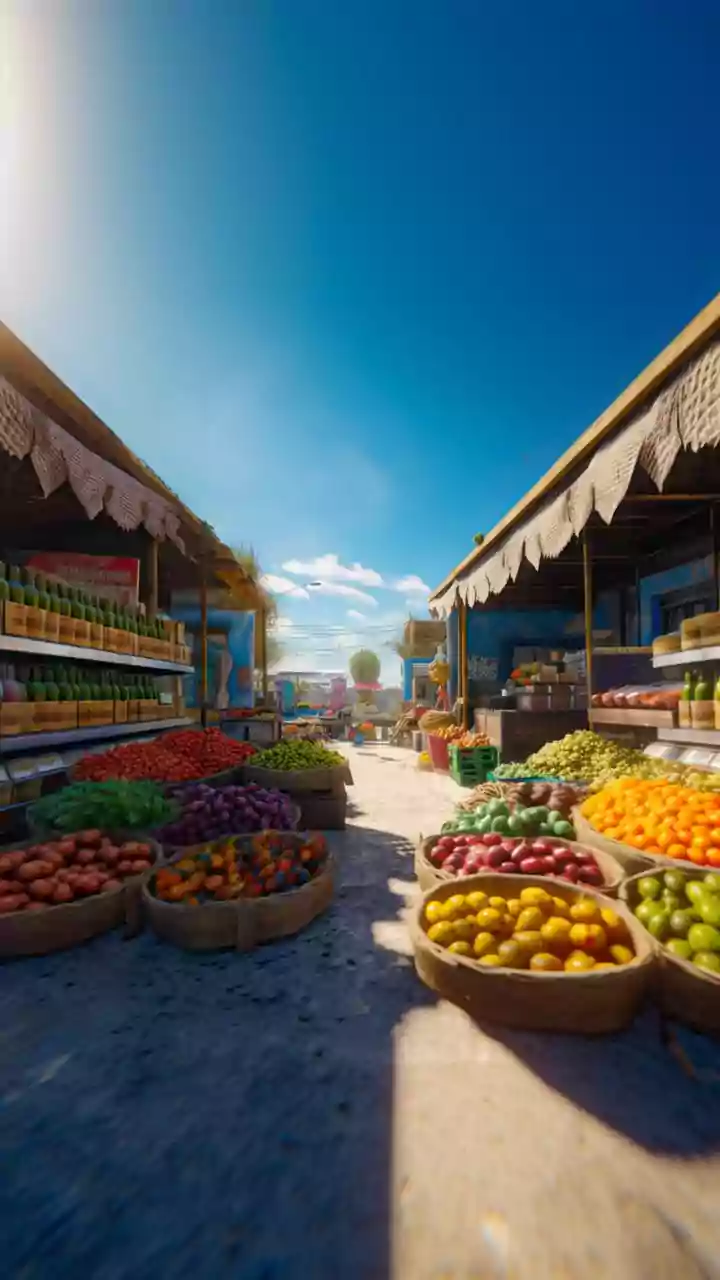
What makes a simple, regional meal so sustainable? The answer lies in its core principles. Traditional Indian diets have always prioritised local and seasonal produce, which drastically reduces 'food miles'—the distance ingredients travel from farm to plate—and lowers the carbon footprint associated with transportation and storage. These diets are often predominantly plant-based, relying on a diverse range of lentils, legumes, vegetables, and grains that require fewer resources like water and land compared to meat-heavy diets. Furthermore, many regional cuisines are built on a 'root-to-leaf' or 'nose-to-tail' philosophy, where every part of an ingredient is used to minimise waste. Think of vegetable peels turned into chutneys or leftover flatbreads repurposed into a spiced snack—these are age-old practices of resourcefulness that modern sustainability movements are now championing.
Grandma's Kitchen Goes Mainstream
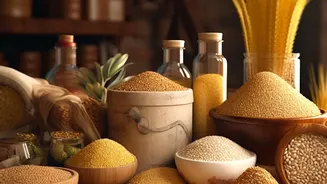
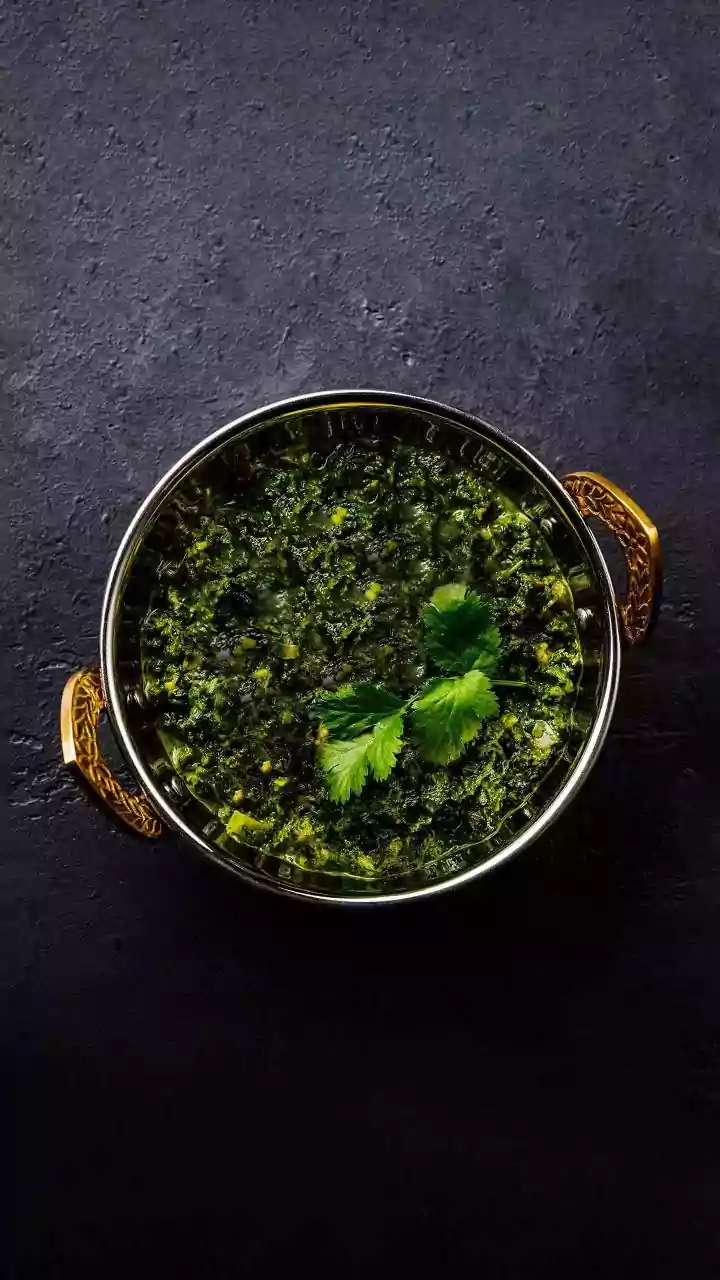
This movement is bringing lesser-known dishes from community kitchens to urban dining tables. In North India, families are rediscovering the benefits of foraged greens in preparations like 'bathua raita', a simple yogurt dish that’s both cooling and nutritious. In the mountains of Uttarakhand, 'bedu roti', a rustic flatbread made from coarse wheat flour, offers warmth and satiety rooted in local grains. Initiatives are also re-popularising ancient grains like millets, which are climate-resilient and incredibly nutritious. Once considered humble food, millets are now being used in everything from festive sweets to everyday meals, celebrated for their flavour and health benefits. Experts and nutritionists are increasingly advocating for this return to 'shamelessly Indian' eating, encouraging people to embrace ghee, local rice varieties, and seasonal fruits instead of chasing imported superfoods.
More Than Just a Meal
Embracing regional recipes is about more than just environmental sustainability; it’s a form of cultural preservation. As rapid urbanisation and global food trends risk erasing culinary diversity, cooking these dishes at home becomes an act of heritage. It connects the younger generation to their roots, offering a taste of their family's history and identity. This trend also has a powerful economic dimension. By prioritising indigenous ingredients, urban consumers create a direct link to local farmers and smallerscale producers, strengthening local food economies and supporting biodiversity. It’s a recognition that native foods are not just cultural artifacts but strategic assets for a foodsecure and climateresilient future. In essence, families are discovering that a truly sustainable diet nourishes the planet, the body, and the soul.