




The Foundation of Flavour
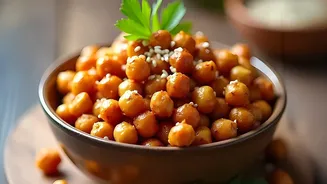
Before we dive into tangy additions, let’s perfect the basics. For the crispiest results, the key is to ensure your chickpeas are as dry as possible. After rinsing and draining a can of chickpeas, spread them on a clean kitchen towel and pat them thoroughly
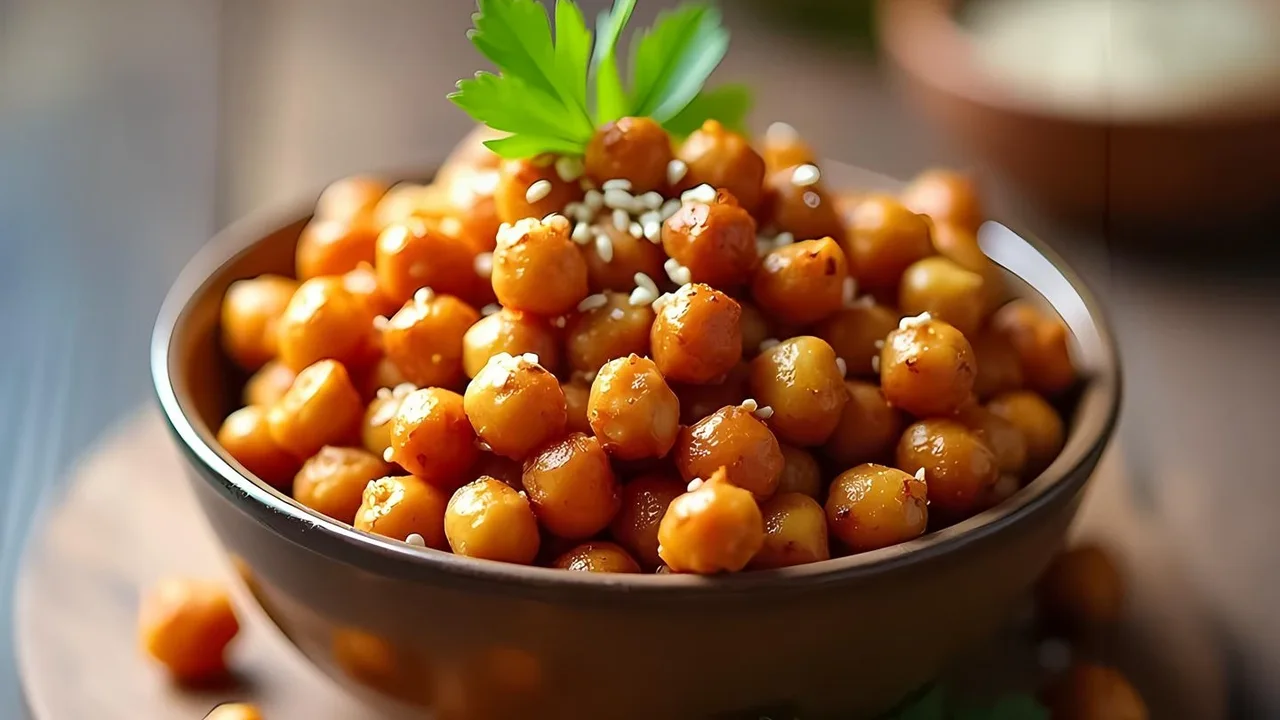
dry. As you do, you can discard any loose skins that come off, as they can burn during roasting. Toss the dry chickpeas with a high-heat oil like olive or avocado oil and a sprinkle of salt. Spread them in a single layer on a baking sheet and roast in a hot oven, typically around 200°C (400°F), for about 20-30 minutes or until golden and crisp, shaking the pan occasionally. Now, you have the perfect blank canvas for a world of flavour.
A Squeeze of Brightness With Citrus
The most straightforward way to add a tangy kick is with citrus. Lemon is a classic choice, lending a bright, fresh acidity that cuts through the earthy flavour of the chickpeas. For best results, toss the hot, freshly roasted chickpeas with lemon zest and a squeeze of fresh juice. The residual heat will bloom the aromas from the zest. Don't limit yourself to lemons; lime juice provides a sharper, more intense tang that pairs wonderfully with chili powder, while orange zest can offer a subtly sweet and fragrant twist.
Exploring Pungent Spices
Certain spices are prized for their ability to impart sourness without adding moisture. Sumac, a staple in Middle Eastern cuisine, has a delightful citrusy flavour and a deep red hue. It can be tossed with the chickpeas either before or after roasting for an instant lemony brightness. Another fantastic option from Indian cuisine is amchur, or dried mango powder. It delivers a unique sour and slightly fruity taste that is both complex and refreshing. Amchur works particularly well in spice blends with cumin, coriander, and a little chili. Adding these spices after roasting, or in the last few minutes of cooking, can prevent them from becoming bitter.
The Versatility of Vinegar
Vinegar offers another dimension of acidity. A light toss of roasted chickpeas in a sharp white balsamic or a milder apple cider vinegar can add a sophisticated tang. For a deeper, slightly sweet flavour, a drizzle of balsamic glaze over the warm chickpeas works wonders. When using vinegars, it's often best to add them after roasting. Tossing the hot chickpeas in a bowl with a splash of your chosen vinegar allows them to absorb the flavour without becoming soggy. For a more intense flavour, you can even incorporate capers, which bring their own briny, pickled tang to the mix.
Getting Creative with Tamarind and Yogurt
For a truly distinct sweet-and-sour profile, tamarind is an excellent choice. Often used in South Asian cuisine, tamarind paste or sauce can be used to create a glaze for chickpeas. It provides a rich, dark, and tangy coating that is utterly addictive. You can make a simple glaze by heating tamarind paste with a little water, garlic, and sweetener, then tossing it with the chickpeas. On the creamier side of tang, yogurt serves as a fantastic counterpoint. While not a roasting ingredient itself, a dollop of thick, Greek-style yogurt seasoned with lemon and herbs can be the perfect base for a plate of hot, crispy roasted chickpeas, balancing their crunch with a cool, tangy sauce.