


A Celestial Double Feature
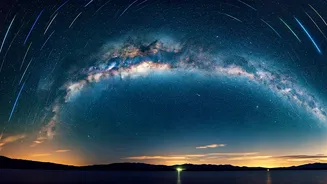
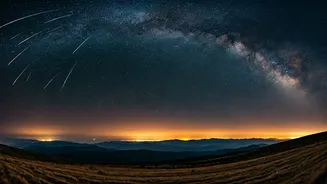
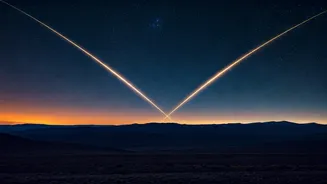
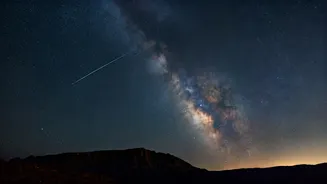
July is serving up a special astronomical event as two meteor showers, the Southern Delta Aquariids and the Alpha Capricornids, are active at the same time. Both showers build through the month and reach their peak activity on the same night. This overlap
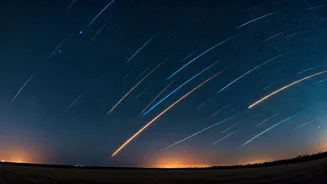
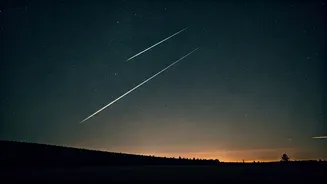
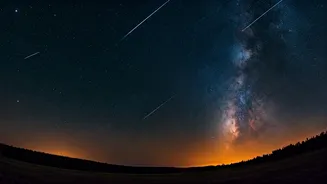
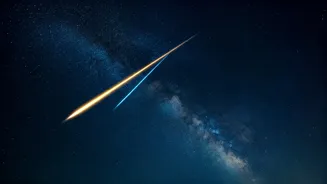
means that patient sky-watchers have the chance to see meteors from two different streams crossing the sky. A meteor shower happens when Earth passes through the trail of dusty debris left behind by a comet or asteroid. As these tiny particles enter our atmosphere at high speeds, they burn up, creating the fleeting streaks of light we call shooting stars. For this double event, we are passing through the cosmic leftovers of two different comets, making it a unique viewing opportunity.
The Peak Night's Bright Problem
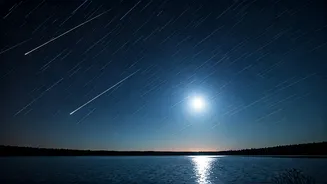
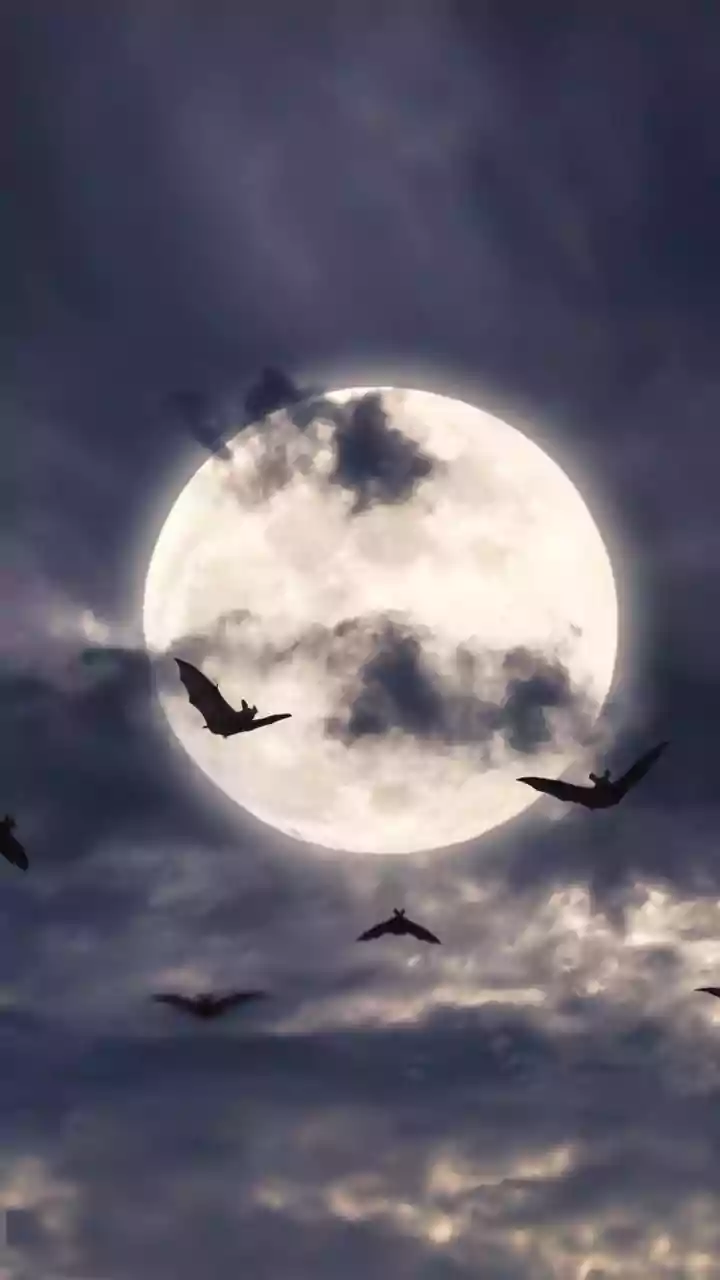
Both the Southern Delta Aquariids and the Alpha Capricornids are set to reach their peak on the night of July 30 and into the pre-dawn hours of July 31, 2026. While this sounds like the perfect time to head out, there’s a major catch this year: a very bright Moon. The Full Buck Moon occurs on July 29, meaning the sky during the peak will be illuminated by a nearly 98% full moon all night long. This intense moonlight will act like natural light pollution, washing out all but the brightest meteors. For the Delta Aquariids, which are known for being faint, this is particularly bad news, as most of them will be invisible. So, while the showers are peaking, the viewing conditions are far from ideal.
Your Best Viewing Strategy for 2026
To beat the moonlight, your best strategy is to watch for these showers in the week before the peak. Aim for the moon-free mornings from July 21 to July 26. During this window, the Moon will set before or around midnight, leaving the sky dark for a few hours before dawn—the prime time for meteor watching. The best viewing time in India will be between 1:30 a.m. and 4:30 a.m. IST, when the radiant point of the showers is high in the southern sky. Find a location far from city lights, give your eyes about 20-30 minutes to adjust to the darkness, and lie back with an open view of the sky. No special equipment is needed; your eyes are the best tool for the job.
Meet the Stars of the Show
The two showers offer different kinds of meteors. The Southern Delta Aquariids, originating from Comet 96P/Machholz, is the more prolific of the two, capable of producing 15 to 25 faint, medium-speed meteors per hour in a perfectly dark sky. It’s best seen from the Southern Hemisphere but is still visible from India, especially in the south. The Alpha Capricornids, on the other hand, produce only about five meteors per hour but are famous for their spectacular fireballs. These are exceptionally bright, slow-moving meteors that can leave a glowing trail behind them. These fireballs are your best hope for a dramatic sight, as they are bright enough to potentially outshine the moonlight even during the peak week.
Mark Your Calendar for a Better Show
If you’re looking for a truly spectacular meteor show, consider this double event a warm-up. The main event of the summer, the Perseid meteor shower, peaks on the night of August 12-13, 2026. And the viewing conditions for the Perseids this year are perfect. The shower’s peak coincides with a New Moon, guaranteeing a dark, moon-free sky all night long. The Perseids are one of the most beloved showers of the year, known for producing up to 100 bright meteors per hour. For Indian sky-gazers, the Perseids will offer a far more rewarding experience in 2026, making it the must-see celestial event of the season.