



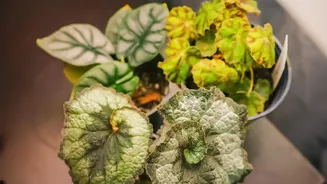
In the quest for a green living space without the demanding timetable, busy professionals are turning to desert plants. Their secret to success? It's not neglect, but a specific watering method that lets both plant and owner thrive.
The Appeal of Resilient Greenery
For the modern professional
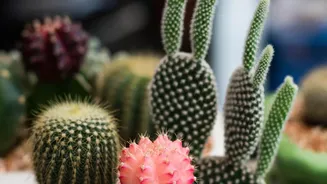
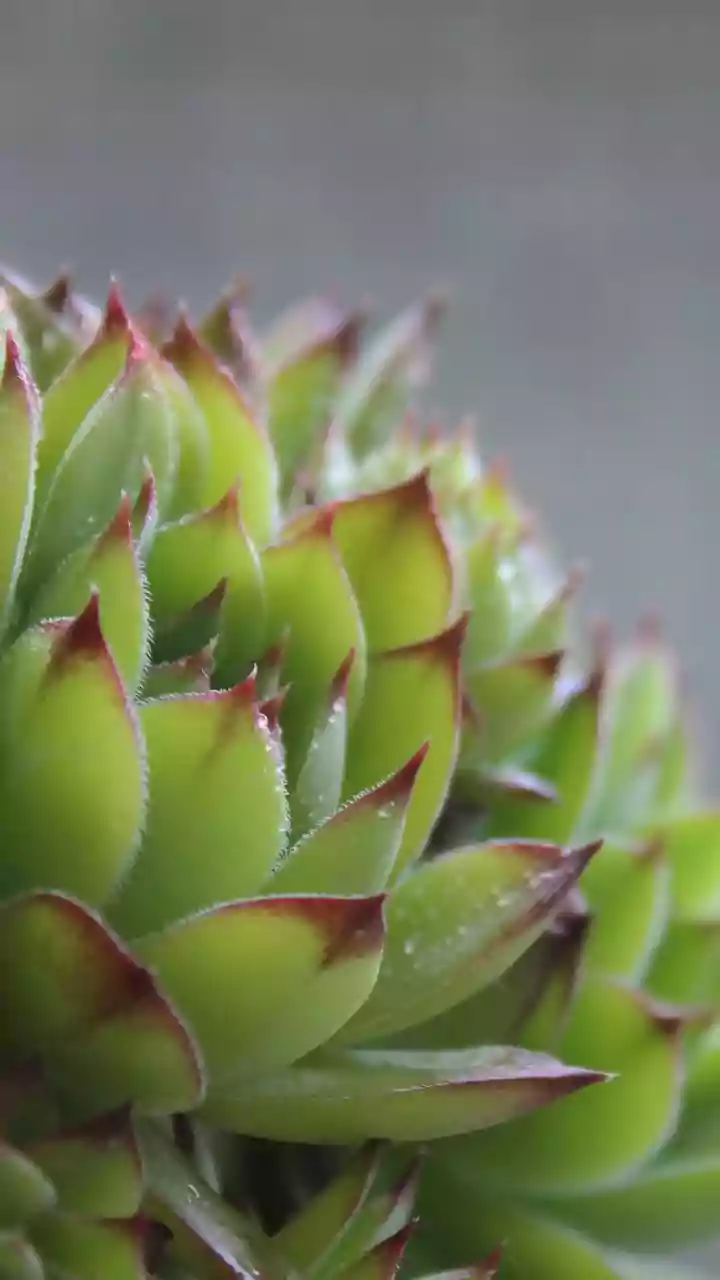
juggling deadlines, meetings, and a personal life, the thought of adding another high-maintenance responsibility can be daunting. Yet, the desire for a home enriched with natural elements is stronger than ever. This is where desert plants, such as succulents and cacti, enter the picture. Their sculptural forms and diverse textures add a touch of sophisticated nature to any space, but their main draw is their legendary low-maintenance reputation. These plants are symbols of resilience, perfectly suited to a lifestyle that values both aesthetics and efficiency. They ask for very little, offering a calming green presence in return for minimal intervention, making them an ideal match for a hectic schedule.
Why Less Is More for Desert Dwellers
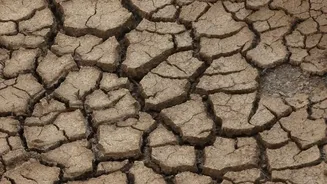
The single most common mistake new owners of desert plants make is killing them with kindness—specifically, with too much water. These plants have evolved to survive in arid environments by storing water in their fleshy leaves, stems, or roots. Their root systems are not designed to sit in constantly moist soil. Overwatering pushes oxygen out of the soil, suffocating the roots and creating the perfect environment for root rot, a fungal condition that is often a death sentence for the plant. Therefore, the low-frequency watering favoured by busy professionals is not a matter of convenience but a biological necessity for the plant's survival. Letting the soil dry out completely mimics the natural drought-and-deluge cycle of their native habitats.
Mastering the 'Soak and Dry' Method
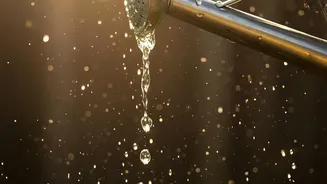
Correctly watering a desert plant is less about a rigid schedule and more about the right technique. The most recommended approach is the 'soak and dry' method. This involves watering the plant thoroughly until water runs freely from the drainage hole at the bottom of the pot. This deep watering encourages strong root growth. After the soak, the crucial part is to let the soil dry out completely before even considering watering again. This period of dryness is just as important as the watering itself. Avoid using spray bottles to mist the leaves, as this can lead to rot and does not deliver water to the roots where it is needed. The goal is to drench the soil deeply but infrequently.
How to Read Your Plant's Thirst Signals
Instead of marking a calendar, learn to observe your plant. Succulents and cacti give clear signs when they are thirsty. The leaves, which are normally plump and firm, may start to look slightly wrinkled or feel soft and bendable. An underwatered plant may look a bit dull or its leaves might begin to droop. The best way to be sure is to check the soil. Stick your finger about an inch or two into the soil; if it feels completely dry, it is likely time to water. If there is any moisture at all, it is best to wait a few more days. It is far easier to save an underwatered succulent than an overwatered one, so when in doubt, don't water.
Creating a Stress-Free Watering Routine
For a busy professional, the key is to integrate this care into a routine that is both reliable and flexible. Instead of watering 'every Sunday', make Sunday your 'plant check-in' day. Use this time to quickly inspect your desert plants, check the soil dryness, and look for signs of thirst. You may find that a particular plant only needs watering every two to four weeks, or even less during the winter when growth slows. This 'check, don't just water' approach prevents the leading cause of houseplant demise and turns plant care from a chore into a mindful moment of connection with the nature in your home. By understanding the plant's actual needs, you provide better care with less effort.