




What Exactly Is the Shoulder Season?
Shoulder season is the travel industry's term for the period just before or after a destination's peak tourist season. Think of it as the sweet spot between the busiest and quietest times. For much of Europe, this means the pleasant months of spring (April
to early June) and autumn (September to October). In many parts of Asia, it might be the months right after the monsoons recede but before the peak winter crowds arrive. It’s a window when the weather is often still excellent, but demand has started to taper off, leading to some significant advantages for savvy travellers.
The Big Wins: Lower Costs and Fewer Crowds
Two of the most compelling reasons for this shift are financial and experiential. With lower demand, prices for flights and hotels can be dramatically better than during peak summer or winter breaks. But beyond the savings, the experience on the ground is transformed. Imagine exploring Rome's famous sights without the sweltering July heat and long queues, or finding a quiet spot on a Thai beach that would be packed in December. According to a 2026 Skyscanner report, about 37% of Indian travellers are now choosing shoulder-season trips specifically to avoid crowds, seeking a more relaxed and immersive holiday.
Europe’s Autumn and Spring Appeal
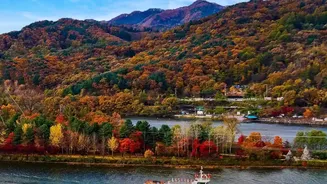
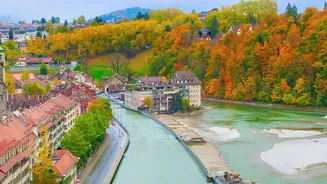
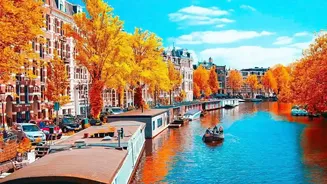
For Indian travellers eyeing Europe, the shoulder seasons of spring and autumn are particularly magical. September and October, for instance, offer golden foliage and comfortable temperatures perfect for city sightseeing, often with the Mediterranean still warm enough for a swim. Destinations like Spain, Greece, and Italy, which can be overwhelming in summer, become far more accessible and affordable. Spring offers its own charm, with blooming flowers in Paris and Amsterdam from April to May, allowing for exploration without the peak-season congestion. Many experienced travellers now consider these months the absolute best time to visit the continent.
Asia’s Post-Monsoon Perfection
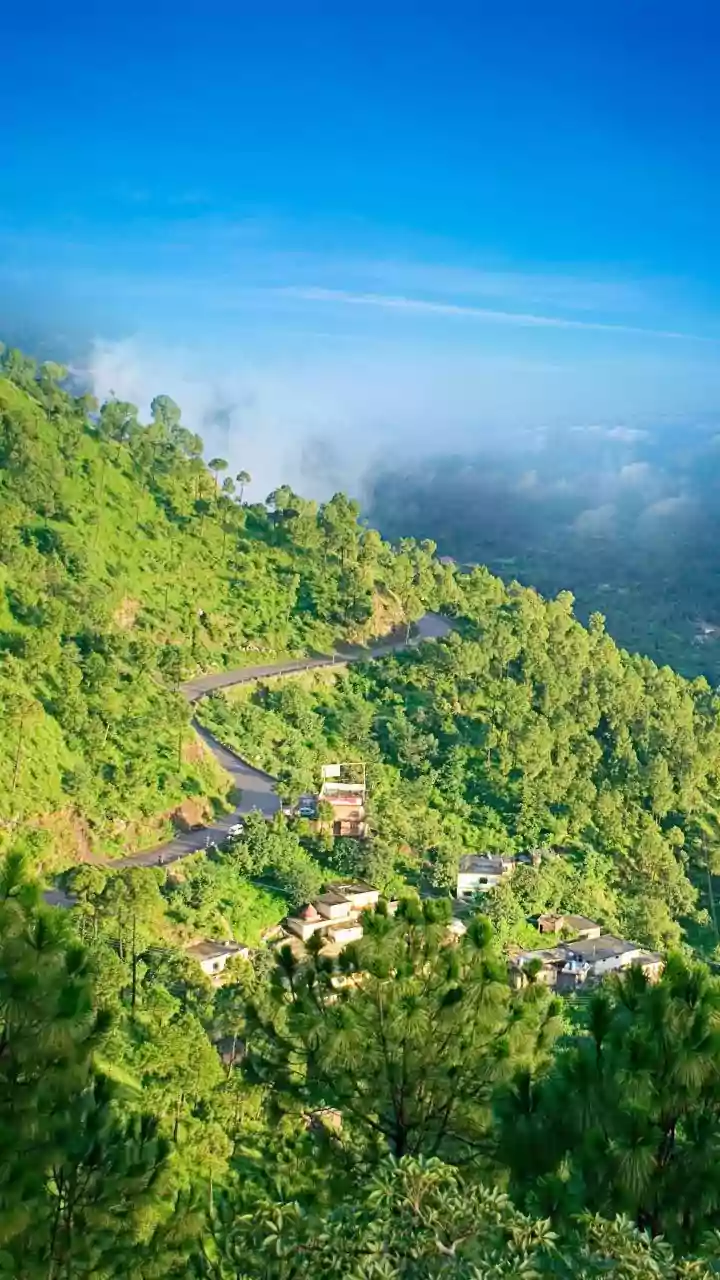
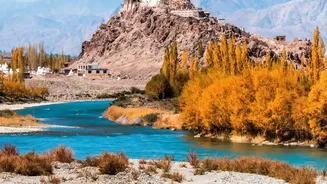
The trend isn’t limited to long-haul trips to Europe. Nearby destinations in Asia are also prime for shoulder-season travel. In Southeast Asia, countries like Thailand and Vietnam become highly attractive in the months just after the monsoon. The landscape is lush and green, waterfalls are full, and the weather is pleasant before the peak tourist rush begins. For example, Kerala's backwaters in October and November remain stunningly green, but with a fraction of the high-season traffic. Similarly, trekkers find Nepal's skies crystal clear in October and November, offering perfect views of the Himalayas after the monsoon clouds have departed.
A More Authentic and Sustainable Choice
Travelling during the shoulder season does more than just save money and avoid crowds; it often leads to a more authentic experience. With fewer tourists, there are more opportunities to interact with locals and appreciate a destination at a gentler, more natural pace. This shift also has a positive environmental and social impact. Spreading tourism more evenly throughout the year reduces the strain on local infrastructure—like transport and water—that is often overwhelmed during peak months. It provides a more stable income for local businesses and helps preserve the destinations we love to visit. A recent Booking.com report noted that 74% of Indian travellers believe more needs to be done to protect the places they explore, and choosing the shoulder season is one practical way to contribute.