



The New Cost of Applying
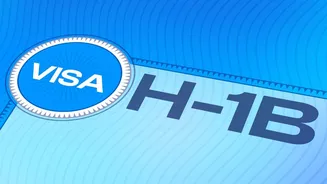
Perhaps the most significant change for 2026 is the introduction of new fees that increase the overall cost of applying for a US visa. Reports indicate a new, non-refundable “Visa Integrity Fee” of around $250 is planned for most non-immigrant visa categories,
including the popular B-1/B-2 visitor visa, F-1 student visa, and H-1B work visa. This is in addition to the standard visa application fee (MRV fee). This change aims to fund enhanced security and administrative processes. Applicants should also note that the consular exchange rate, used to convert visa fees from US dollars to Indian rupees, can fluctuate. For instance, the rate was adjusted in May 2026, so it is crucial to check the exact fee amount in rupees on the official payment portal before proceeding.
Appointment Wait Times Remain a Challenge
The long wait for a visa interview appointment continues to be a major hurdle for many Indian applicants, especially for first-time B-1/B-2 tourist and business visas. In 2026, wait times can range from 100 to over 250 days, with some consulates like Mumbai experiencing even longer delays of up to a year or more. In contrast, cities like Kolkata often have comparatively shorter waiting periods. There is some good news for students and workers, as F-1, H-1B, and L-1 visa categories are generally prioritized, with much shorter appointment backlogs. The key takeaway for prospective travellers is to apply well in advance of your intended travel dates and regularly monitor the official visa scheduling portal, as new slots can open up dynamically.
Interview Waivers Are More Restricted
The Interview Waiver Program, popularly known as 'Dropbox,' allows eligible applicants to renew their visas without an in-person interview. However, the eligibility criteria have been tightened. A key change is that the renewal window has been significantly shortened; applicants are now generally eligible for a waiver only if their previous visa expired within the last 12 months, down from 48 months previously. Furthermore, broad age-based exemptions have been reduced, and it is now common for even minor children to be required to attend an interview in person. Due to these stricter rules, many travellers who might have qualified for a waiver in the past must now schedule a standard interview. Always use the official eligibility wizard on the visa portal to determine if you qualify before making plans.
Major Policy Shift for Students
Indian students planning to study in the US will face one of the biggest changes, effective September 15, 2026. The long-standing “Duration of Status” (D/S) system for F-1 and J-1 visa holders is being replaced. Under the new rule, students will be admitted for a fixed period, typically matching their program end date but generally not exceeding four years at a time. If a student's program extends beyond this date, they will need to formally apply for an Extension of Stay with US Citizenship and Immigration Services (USCIS). Additionally, the post-completion grace period to remain in the US is being shortened from 60 days to just 30 days for many students under the new system.
Other Key Procedural Updates
A few other procedural changes are important for 2026 applicants. First, the practice of applying for a visa in a third country, such as Thailand or Germany, is no longer permitted for most routine visa categories for Indian residents; you must apply within India. Second, as part of a move toward stricter in-person verification, consular officers must now see every visa applicant, meaning all minor applicants, including infants, must be physically present for the visa interview. Finally, for those already in the US, be aware that new editions of key immigration forms for changing or extending status (like Form I-539 and I-765) are required as of September 15, 2026, with no grace period for outdated versions.