

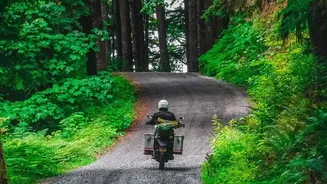

Your Vehicle's Monsoon Health Check
Before any trip, a vehicle check is crucial, but for the monsoon, it’s non-negotiable. Start with your tyres, the single point of contact with wet, slippery roads. Ensure the tread depth is at least 3mm to prevent aquaplaning—where your car essentially
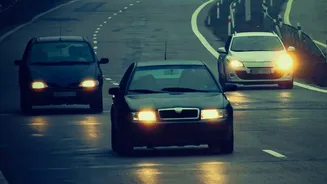
floats on a layer of water. An easy way to check is with a one-rupee coin; if the coin's outer rim is visible when inserted into the groove, your tyres are too worn. Don't forget the spare! Next, inspect your wiper blades. If they leave streaks or make a chattering sound, replace them. Good visibility is your first line of defence in a downpour. Finally, test your brakes, which can take longer to respond on wet surfaces, and check all lights—headlights, indicators, and brake lights—to ensure you can see and be seen. Using low-beam headlights in heavy rain significantly improves your visibility to others.
Plan Your Route, Not Just Your Destination
Monsoon travel requires a more dynamic approach to route planning. Your standard GPS route might not account for recent landslides, waterlogged areas, or temporary road closures. Before you leave, check real-time traffic and road condition updates. Apps like Google Maps and Mappls now allow users to report hazards like waterlogging and accidents, providing valuable, crowdsourced information. The National Highways Authority of India (NHAI) has also collaborated with these platforms to provide alerts on closures, diversions, and accident-prone zones. For travel in hilly regions, which are prone to landslides, consult official sources like the state disaster management authority portals or local police advisories. Always have an alternative route in mind, especially if your primary one involves low-lying areas or bridges over rivers that could swell.
Assemble a Monsoon-Specific Emergency Kit
A standard first-aid kit is a good start, but a monsoon road trip demands more. Your emergency kit should be geared towards potential delays and challenging conditions. Pack a powerful torch with extra batteries, a fully charged 20,000 mAh power bank, and necessary charging cables. Given the possibility of getting stuck in traffic jams for hours, keep extra drinking water and non-perishable snacks like glucose biscuits, nuts, or chikki. A tow rope, jumper cables, and a portable tyre inflator are also wise additions. To keep your cabin dry and comfortable, carry an umbrella, a towel, and some old newspapers to spread on the floor mats, which absorb mud and water from shoes. Also, ensure all your car documents, including your license, RC, insurance, and PUC certificate, are in a waterproof bag.
Mastering the Art of Monsoon Driving
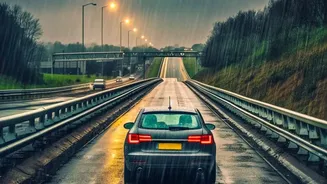
Driving techniques need to adapt to the weather. The most important rule is to reduce your speed; stopping distances are significantly longer on wet roads. Double the distance you would normally keep from the vehicle in front of you. Avoid using cruise control, as it can increase the risk of losing control if your car hydroplanes. When visibility is low due to heavy rain, resist the common urge to switch on your hazard lights while moving; they are meant for stationary vehicles and can confuse other drivers about your intentions. If you approach a waterlogged street, try to gauge its depth. If you must drive through, stay in a low gear and keep the engine revs up to prevent water from entering the exhaust pipe. Never try to restart a car that has stalled in deep water, as this can cause catastrophic engine damage.
Stay Informed and Connected
Before you set off and during your journey, stay updated on the weather forecast from reliable sources. Share your itinerary and planned route with a family member or friend, and check in with them periodically. This is especially critical if you are travelling through areas with patchy mobile network coverage. Having offline maps downloaded on your phone can be a lifesaver in such zones. Be mindful that in heavy downpours, especially in hilly or remote areas, conditions can change rapidly. A clear road can become impassable in a matter of hours. Pay attention to local news alerts and be prepared to alter your plans, even if it means delaying your trip or finding a safe place to wait out a severe weather spell. Your safety is always more important than sticking to a rigid schedule.