




Your Gut on Antibiotics
Antibiotics are medical superheroes, fighting off bacterial infections that cause everything from strep throat to pneumonia. But they have a significant downside: they are not selective. While targeting the harmful bacteria making you sick, they also
wipe out a large number of the beneficial bacteria living in your gut. This community of microorganisms, known as the gut microbiome, is crucial for healthy digestion, immune function, and overall wellness. When this delicate balance is disrupted, it can lead to common side effects like diarrhea, nausea, and bloating, making an already unpleasant illness feel even worse. Restoring this balance is a key part of recovering from a course of antibiotics.
The Sugar Connection: What New Research Reveals
For years, the advice for what to eat while sick has been fairly simple. However, a groundbreaking study published in the journal Nature on September 30, 2026, has introduced a critical new factor to consider: sugar. Researchers from several leading institutions meticulously tracked the diets and gut health of hospitalized patients taking antibiotics. Their findings were striking: patients who consumed more sugar experienced significantly more damage to their gut microbiome. For every 100-gram increase in sugar—roughly the amount in two cans of soda or a large milkshake—the diversity of their gut bacteria dropped by an additional 21% to 24%. This suggests that combining antibiotics with a high-sugar diet could be a double blow to our gut health.
How Sugar Fuels the Problem
The research points to a clear mechanism for this damage. When antibiotics clear out large portions of the gut's bacterial population, it creates a vacuum. This allows a few resilient, and often harmful, species that survive the antibiotic onslaught to thrive without competition. The study found that dietary sugars, like sucrose and fructose, act as a potent fuel source for these opportunistic survivors. Specifically, researchers noted that the combination of sugar and antibiotics led to a bloom in a bacterium called Enterococcus faecium, which is linked to difficult-to-treat infections, especially in vulnerable individuals. In essence, while the good bacteria are down, sugar helps the bad bacteria take over.
What This Means for Your Recovery
While this specific study focused on hospitalized cancer patients, the biological principle is relevant for anyone taking a course of antibiotics. The findings challenge the long-held advice to consume sugary sports drinks, juices, or comfort foods when feeling unwell. While getting enough calories is important, the source of those calories matters. A diet high in processed sugars might not just be empty calories; it could actively hinder your gut's ability to recover from antibiotic treatment. Preserving the diversity of your gut microbiome is linked to better health outcomes, and this research suggests that limiting sugar intake is a simple, powerful way to protect it when it's most vulnerable.
Smarter Eating While on Antibiotics
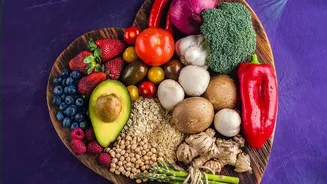
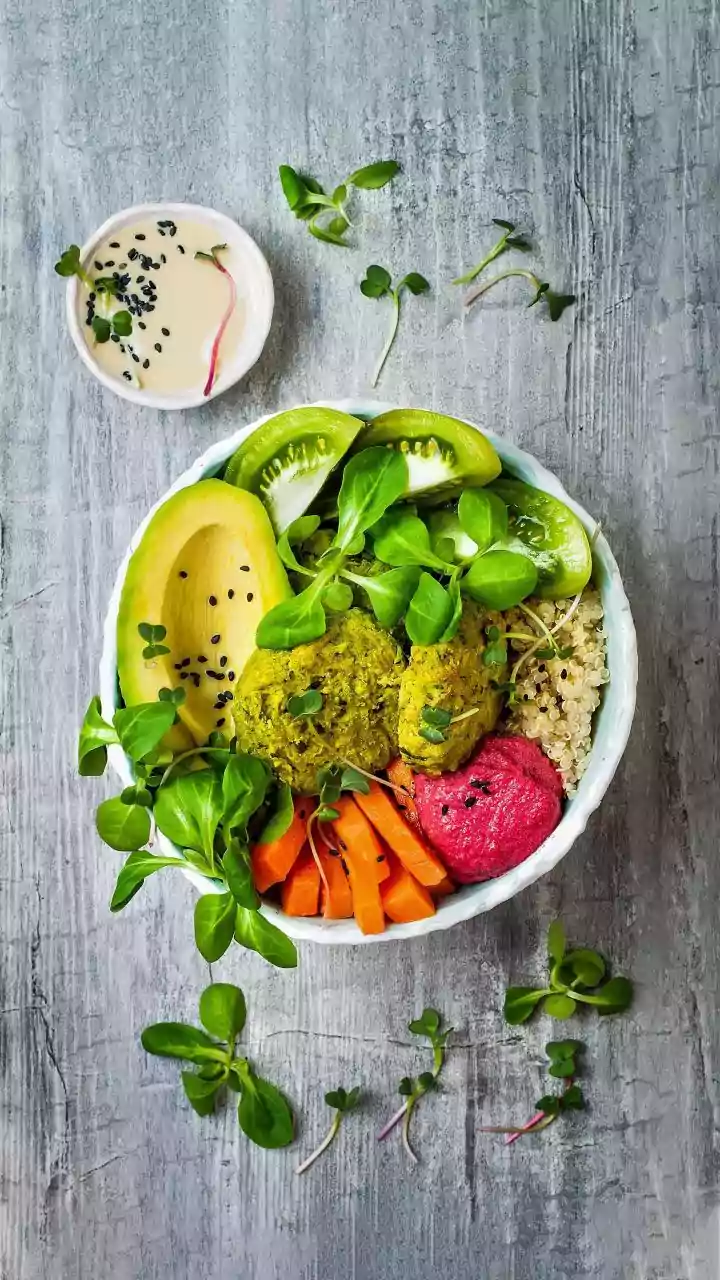
So, what should you eat instead? The goal is to soothe your stomach and support the regrowth of beneficial bacteria. Focus on fiber-rich prebiotic foods, which act as food for your good gut microbes. Excellent choices include bananas, onions, garlic, and oats. Probiotic foods like plain yogurt and kefir can also help replenish the bacteria lost during treatment. If you're experiencing nausea, stick to bland, easily digestible foods like plain crackers, rice, and toast. Crucially, try to avoid sugary sodas, sweets, and highly processed snacks. By making mindful food choices, you can actively support your body's healing process and minimize the disruptive side effects of your medication.