




Why Crowding Is a Monsoon Menace
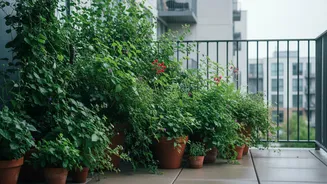
The constant humidity and reduced sunlight of the monsoon season create a challenging environment for plants. When pots are placed too close together or foliage becomes too dense, it drastically reduces air circulation. This traps moisture on leaves and in the soil,
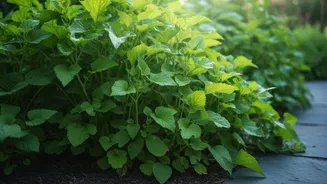
creating an ideal breeding ground for fungal diseases like powdery mildew, black spot, and root rot. Crowded plants compete for the limited sunlight, leading to weak, leggy growth as they stretch towards the light. This combination of dampness, poor airflow, and weakened plants makes your garden highly vulnerable to pests and infections that thrive in wet conditions.
How to Spot the Warning Signs
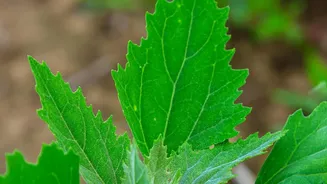
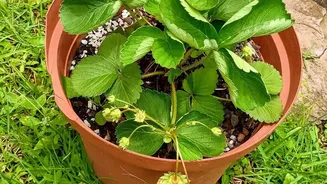
An overcrowded garden sends out several distress signals. The most obvious is a dense canopy where leaves from different plants overlap significantly. Get closer and inspect the lower parts of your plants. Are you seeing yellowing leaves at the base? This is often the first sign that the bottom foliage isn't getting enough light or air. Other red flags include mouldy or foul-smelling soil, which indicates poor drainage and potential root rot. You might also spot visible signs of fungus, such as white powdery patches on leaves (powdery mildew) or dark, circular spots (black spot). If growth seems stunted or new leaves are sparse, crowding could be the underlying cause.
Your De-Crowding Action Plan: Prune and Trim
The first and most effective step is to prune your plants. Regular trimming helps improve airflow and allows light to penetrate deeper into the plant. Use a pair of clean, sharp shears to remove any dead, yellowing, or damaged leaves. Identify branches that are crossing over each other or growing into neighbouring plants and trim them back. Thin out dense foliage to open up the plant's structure. This not only helps prevent fungal diseases but also encourages healthier, bushier growth instead of long, weak stems. For flowering plants, removing spent blooms will also redirect the plant's energy into producing new flowers.
Rethink Your Plant Placement
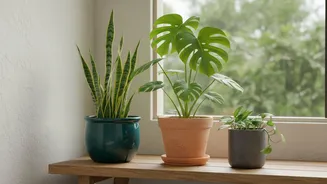
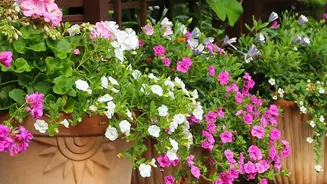
Sometimes the problem isn't the plant itself, but its location. Spacing out your pots is a simple but crucial step. Avoid placing containers tightly together on your balcony or terrace. Leaving even a few inches between pots can dramatically improve air circulation, helping leaves dry faster after a downpour. Consider elevating pots on bricks or plant stands. This prevents them from sitting in stagnant water and ensures drainage holes are not blocked, which is a common cause of waterlogging and root rot. If you have plants with different needs, group them accordingly. Place sun-loving plants in open areas and those that prefer shade in more protected spots.
When to Repot or Divide
Crowding also happens below the surface. A plant that is 'root-bound' has run out of space in its pot, leading to a dense, tangled mass of roots that can't absorb nutrients or water effectively. The monsoon is an excellent time to repot, as the high humidity reduces transplant shock. To check, gently slide the plant out of its pot. If you see more roots than soil, it’s time for a larger home. Choose a pot that is one to two inches wider in diameter. For plants that grow in clumps, like snake plants or peace lilies, you can divide them into smaller sections and pot them individually. This instantly relieves crowding both above and below the soil.