






Choose Your Destination Wisely
The most critical decision for a stress-free monsoon trip is your destination. While the rains bring a new lease of life to many places, they can also trigger landslides and floods in others. Many Himalayan hill stations like Shimla, Manali, and parts
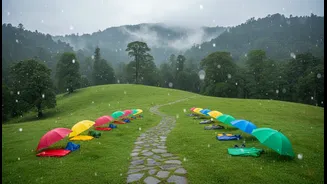
of Uttarakhand become vulnerable to landslides and road blockages. It's wiser to avoid these high-risk zones during peak monsoon. Instead, consider places where the monsoon enhances the beauty without posing significant danger. The Western Ghats, in locations like Lonavala, Mahabaleshwar, and Coorg, come alive with roaring waterfalls and misty landscapes. Similarly, Rajasthan receives minimal rainfall, making cities like Udaipur and Jaipur pleasant and less crowded. Regions like Cherrapunji in Meghalaya, one of the wettest places on earth, offer a unique and dramatic monsoon experience for the well-prepared traveller.
Pack for Practicality, Not Just the Weather
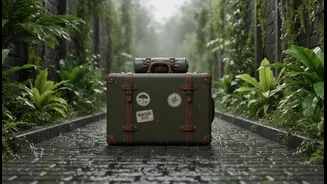
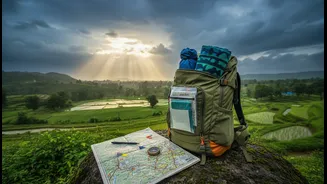
Monsoon packing goes beyond a simple umbrella. The key is to choose clothing and gear that can handle humidity and unexpected downpours. Opt for lightweight, synthetic, and quick-drying fabrics instead of heavy cotton or denim, which take forever to dry. A reliable, lightweight raincoat or poncho is a must-have. When it comes to footwear, leave the flip-flops behind; they offer no grip and splash mud on your legs. Instead, pack sturdy, anti-slip rubber sandals or waterproof trekking shoes with good grip. To protect your electronics, use waterproof phone cases and keep gadgets in sealed zip-lock bags or dry bags. It's also wise to carry a waterproof cover for your backpack.
Navigate Transport with Patience
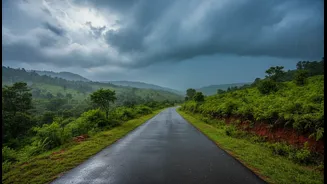
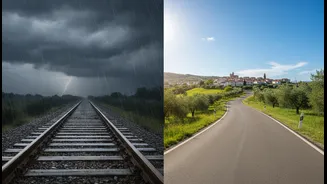
Travel during the monsoon demands flexibility. Rain can cause significant delays across all modes of transport, from flights to trains and buses. Road travel, while scenic, requires extra caution. Wet roads can be slippery, visibility can drop suddenly in heavy rain or mist, and the risk of waterlogging in cities is high. Before starting a road trip, ensure your vehicle's tyres, brakes, and wipers are in excellent condition. Always check weather forecasts and local traffic advisories before you set out. It's best to build buffer days into your itinerary and avoid rushing. Think of it as slow travel, where the journey itself is part of the experience.
Prioritise Health and Safety
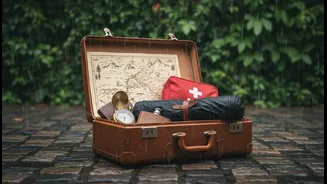
The monsoon brings an increased risk of water-borne and mosquito-borne diseases like dengue and malaria. To stay healthy, drink only bottled or boiled water and be wary of street food, which is more susceptible to contamination during this season. Always wash fruits and vegetables thoroughly. Carry a basic medical kit with essentials for fever, cough, stomach upsets, waterproof bandages, and an antiseptic. Insect repellent is non-negotiable. When trekking or walking in nature, be cautious of leeches, especially in rainforest areas like Agumbe, by wearing long clothing and appropriate footwear. Avoid walking through stagnant water to prevent infections.
Embrace the Monsoon Vibe
Finally, the best way to enjoy a monsoon trip is to embrace its unique character. The rainy season is often the off-season, which means fewer crowds, lower prices at hotels, and a more peaceful atmosphere. It’s a time when nature is at its most vibrant and dramatic. Instead of trying to pack your day with sightseeing, allow for quiet moments. Enjoy a cup of hot chai while watching the rain from a cosy cafe, take a slow drive through misty hills, or simply appreciate the lush, green landscapes. The monsoon has its own rhythm, and a successful trip is one that learns to move with it.