

Beyond Butter Chicken Pizza
For years, Indian fusion food meant slapping paneer on a pizza or adding masala to fries. While delicious, that first wave of fusion is giving way to a more thoughtful and sophisticated evolution. Today’s trend isn't about novelty for its own sake; it’s
about a deep-seated confidence in regional Indian culinary traditions. Chefs and home cooks are no longer just borrowing formats, but are now selectively integrating global ingredients and techniques into the very fabric of beloved festive recipes. This change is driven by a new generation with global exposure, a desire for innovation, and a profound respect for the flavours they grew up with. The result is a culinary landscape where tradition is not being replaced, but rather, joyfully expanded.
The Sweet Revolution
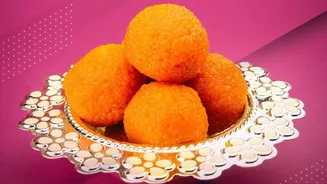
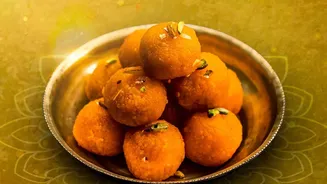
Nowhere is this trend more visible than in the world of mithai. Festive sweet boxes, once predictable, are now filled with delightful surprises. Imagine a classic Gulab Jamun’s richness infused into a creamy cheesecake or the delicate, flaky texture of a French croissant filled with nutty, cardamom-scented almond halwa. Food bloggers and boutique sweet shops are showcasing lavender-infused barfis, saffron and pistachio panna cotta, and even ladoos made with dates and nuts instead of sugar. Another emerging favourite is the fusion malai cake, which blends the texture of a Western sponge cake with the iconic flavours of Indian rasmalai, complete with cardamom, saffron, and nuts. These creations aren't just about adding a foreign ingredient; they’re about creating a new, harmonious flavour experience.
Savoury Snacks Get a Global Twist
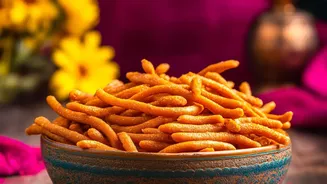
The transformation of festive food extends well beyond desserts. Savoury snacks, or 'namkeen', are also getting a modern makeover. Classic appetisers are being reimagined with global touches that elevate them without erasing their identity. Consider chicken tikka masala, a perennial favourite, now served in bite-sized puff pastry vol-au-vents for a party-friendly snack. Or think of the humble mashed potato, which is being transformed into masala mashed potatoes by adding ghee, cumin, and turmeric. Even the classic samosa is evolving, with some chefs using pinwheel formats or incorporating non-traditional fillings alongside spiced potatoes and peas. These adaptations show how versatile Indian flavours can be, fitting seamlessly into new forms and textures while retaining their core appeal.
The Rise of the Regional Champion
What makes this trend truly exciting is its focus on regional hyper-localism. Instead of a single, monolithic 'Indian food', chefs are diving deep into the specific cuisines of states like Kerala, Bengal, and Maharashtra. They are celebrating indigenous ingredients, from Himalayan herbs to unique coastal spices, and using them as a foundation for innovation. A chef might use a traditional Bengali mustard and fish preparation as a starting point, but employ a French technique to refine the sauce. Another might take a South Indian paniyaram and introduce grated carrots and other vegetables for a modern twist. This regional pride ensures that the evolution of Indian food is diverse and authentic, reflecting the true breadth of the country's culinary heritage.