



The Science of Tenderness
The magic of a curd, or dahi, marinade lies in its gentle acidity. Curd contains lactic acid, which works to break down the proteins in meat. Unlike harsher acids like vinegar or lemon juice that can quickly turn the surface of meat mushy or tough, lactic acid tenderises
more slowly and delicately. It unravels the tough connective tissues and muscle fibres, allowing the meat to absorb more moisture. The result is a succulent, juicy texture that beautifully shreds or pulls apart after cooking, whether it's chicken, lamb, or goat. This gentle action makes curd an almost foolproof tenderiser, protecting the protein while preparing it for the heat.
A Vehicle for Flavour and Char
Beyond tenderising, curd is an exceptional carrier for spices. Its thick consistency means it clings to the surface of chicken or paneer, creating a paste that holds spices like turmeric, cumin, and coriander right against the protein. This allows the aromatic compounds in the spices to penetrate deeply, infusing every bite with flavour. When the marinated item hits the heat of a grill or tandoor, the curd doesn't just disappear. The milk proteins in the curd create a protective coating that caramelises, forming a beautiful, slightly charred crust that seals in moisture and adds another layer of complex flavour. This is the signature 'char' that makes tandoori dishes so irresistible.
Choosing the Right Curd
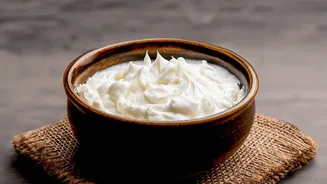
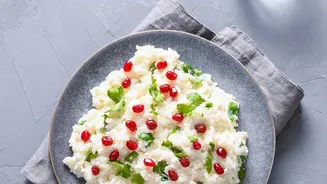
The success of your marinade heavily depends on the type of curd you use. For a thick coating that won't slide off, you need thick, full-fat curd. In India, this is often achieved with homemade dahi, but a great substitute is 'hung curd'. Making it is simple: place plain, full-fat yogurt in a muslin or cheesecloth set over a bowl and let the excess liquid, or whey, drain away for a few hours in the refrigerator. This process leaves you with a dense, creamy product similar to Greek yogurt, which is the perfect consistency for a marinade. Avoid using thin, watery, or low-fat curds, as they will create a runny marinade and won't provide the richness needed to carry the flavours.
The Anatomy of a Dahi Marinade
A classic Indian curd marinade is a balanced blend of ingredients. It starts with the thick curd base, followed by ginger-garlic paste, a cornerstone of Indian flavour. Then come the powdered spices: turmeric for colour and its earthy notes, red chilli powder for heat, coriander and cumin for warmth, and garam masala for aromatic complexity. A squeeze of lemon juice often adds a touch of brightness. Many recipes also call for a small amount of oil, like mustard oil, which helps create a smooth emulsion and ensures the spices are distributed evenly. For dishes like tikka, a spoonful of roasted gram flour (besan) is sometimes added to help the marinade bind and form a better crust.
Marinating Meat vs. Paneer
The rules for marination change slightly depending on your protein. Meats like chicken and lamb benefit from a longer marination time—anywhere from four hours to overnight is ideal. This gives the lactic acid ample time to tenderise the tougher muscle fibres. Paneer and vegetables, however, are far more delicate. They require a much shorter marination time, typically 30 minutes to a couple of hours at most. If left for too long in the acidic mixture, paneer can become too soft and start to crumble. The goal for paneer is not so much tenderising as it is flavour absorption, allowing the spices in the curd to coat and infuse the cheese before it's cooked.
Common Mistakes to Avoid
To ensure success, steer clear of a few common pitfalls. First, never use curd that is overly sour, as this taste will dominate the final dish. Always opt for fresh curd. Second, be mindful of marination times; over-marinating can make chicken mushy and cause paneer to disintegrate. A good rule is 2-4 hours for boneless chicken and up to 8 hours for bone-in pieces. Finally, don't wipe off the marinade before cooking. That coating is packed with flavour and is essential for creating the delicious crust. Cook over a medium-high heat to allow the marinade to char slightly without burning before the inside is cooked through.