
Jaipur in winter is a traveller's dream. The scorching heat gives way to pleasant, sunny days perfect for exploring the Pink City's regal history. This season transforms the city, making it ideal for a varied and memorable city break.
The Majestic Amer Fort
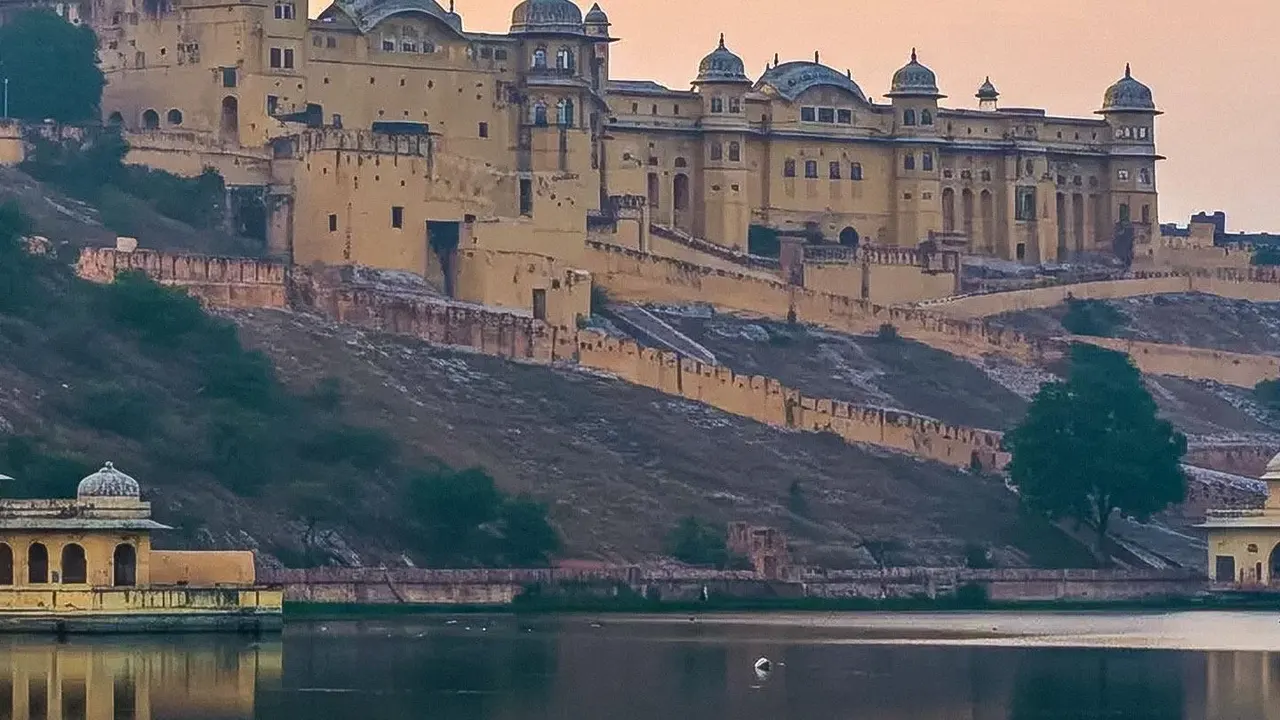
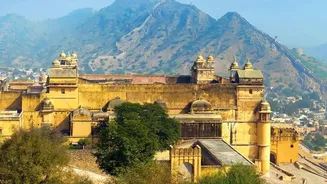
Perched on a hill
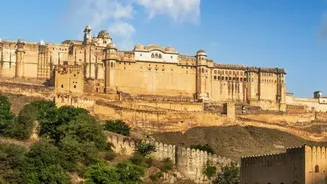
overlooking Maota Lake, Amer Fort is a breathtaking blend of Rajput and Mughal architecture. Winter is the ideal time to visit, as the cool weather makes exploring its vast courtyards, opulent palaces like the Sheesh Mahal (Mirror Palace), and intricate gateways a comfortable experience. The climb up the fort, whether on foot or by jeep, is far more pleasant in the mild winter sun. Arriving early, around its 8:00 AM opening time, allows you to soak in the grandeur before the crowds arrive.
The Iconic Hawa Mahal
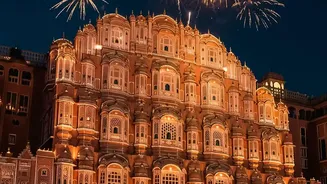
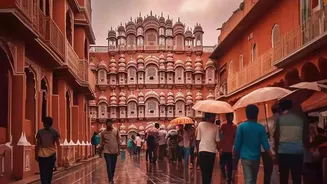
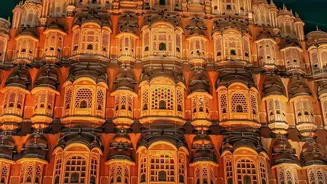
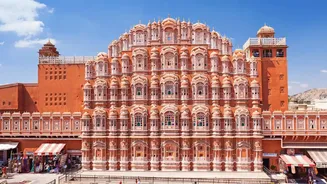
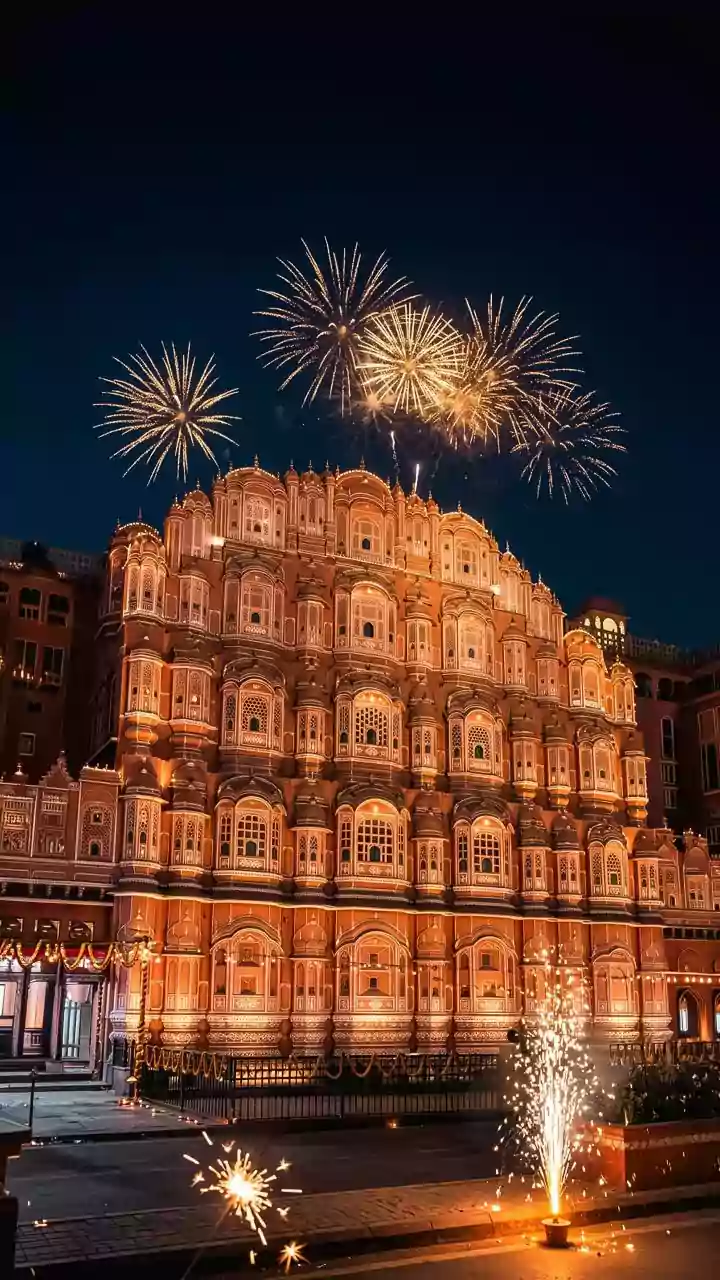
No trip to Jaipur is complete without seeing the Hawa Mahal, or 'Palace of Winds'. This five-storey pink sandstone facade, with its 953 intricately latticed windows, was built so that royal women could observe street festivities unseen. While the famous exterior is a sight to behold, it's worth going inside to climb the narrow ramps. The winter morning light beautifully illuminates the facade, making it the perfect time for photography. The gentle breezes that flow through the windows, giving the palace its name, can be best appreciated in the pleasant winter air.
The Royal City Palace
Located in the heart of the old city, the City Palace is a sprawling complex of courtyards, gardens, and buildings that still serves as a residence for the royal family. A stunning fusion of Rajasthani and Mughal design, it houses museums showcasing royal costumes, weaponry, and art. Highlights include the ornate gates of Pritam Niwas Chowk, each representing a different season, and the grand Diwan-i-Khas. The complex is large, and the temperate winter climate allows for a leisurely exploration of both its indoor galleries and open-air courtyards.
The Astronomical Jantar Mantar
Adjacent to the City Palace is Jantar Mantar, a UNESCO World Heritage site and a testament to India's scientific heritage. This 18th-century observatory contains a collection of 19 massive architectural astronomical instruments, including the world's largest stone sundial. Clear winter skies provide the perfect conditions to see these ancient instruments in action, as they use the sun's position to tell time and track celestial bodies. A visit around midday is often recommended to see the sundials at their most effective.
Nahargarh Fort for Sunset Views
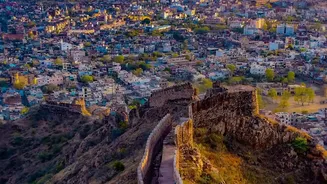
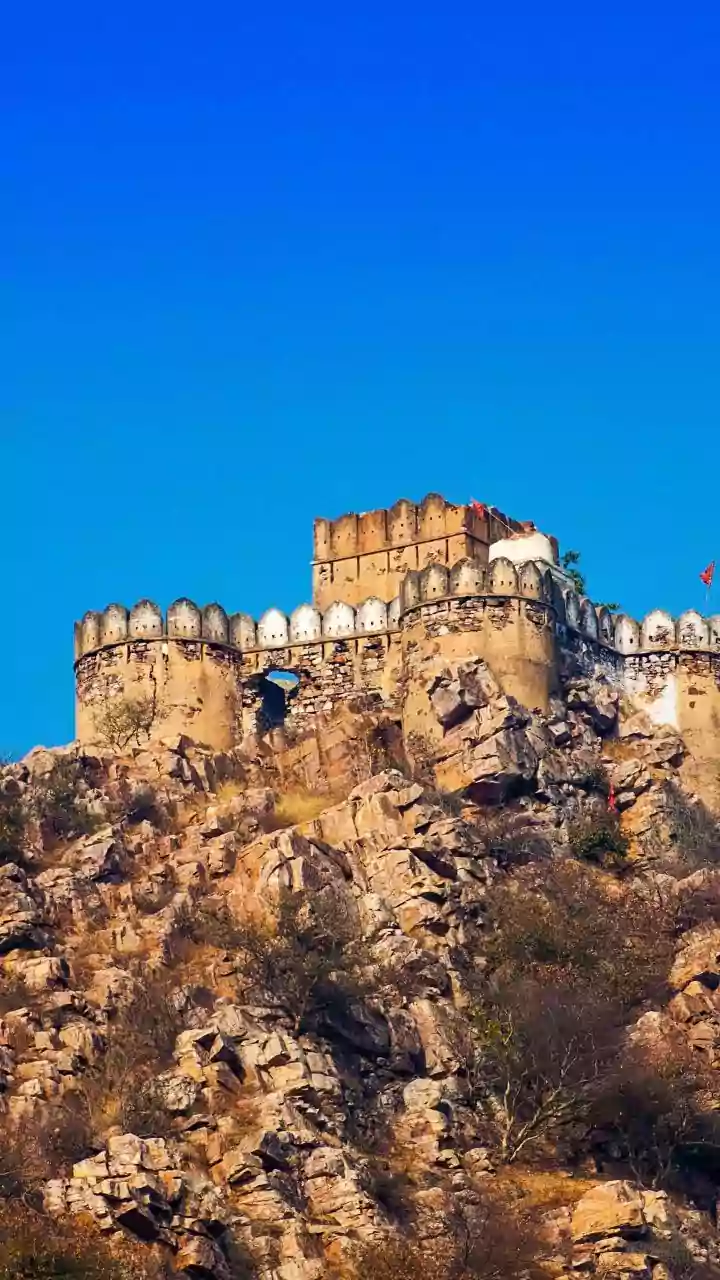
For the most stunning panoramic views of Jaipur, a trip to Nahargarh Fort is essential. Perched on the Aravalli hills, the fort offers a sweeping vista of the Pink City below. The crisp, clear air of winter often means less haze, resulting in spectacular sunset views. While originally built as a defensive stronghold, it also served as a royal retreat. It's the perfect spot to end a day of sightseeing, watching as the city lights begin to twinkle across the landscape.
Panna Meena Ka Kund: The Geometric Wonder
For a less crowded but equally captivating experience, visit Panna Meena Ka Kund, a historic stepwell located near Amer Fort. Its distinctive symmetrical staircases create a mesmerising geometric pattern that is a photographer's delight. Stepwells were crucial for water management in arid Rajasthan, but this one is also a marvel of architecture. Its location makes it an easy and worthwhile addition to a morning spent exploring the Amer area, offering a peaceful and visually stunning contrast to the grand forts.