




Measure the Destination
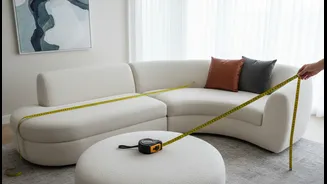
Before you even think about shopping, get to know your space intimately. Grab a metal tape measure—the 25-foot kind is ideal—and a notepad. Start by measuring the room's primary dimensions: length, width, and ceiling height. Don't just measure once; take
measurements at a few different points, especially in older homes where walls may not be perfectly straight, and always use the smallest figure. Next, map out all the fixed features: windows, doors (and how they swing), fireplaces, light fixtures, and electrical outlets. This isn't just about whether the piece will physically fit; it’s about how it will live in the room. A common mistake is choosing furniture that's too large for the scale of the room, making the space feel cramped. Use painter's tape on the floor to outline the footprint of your potential purchase. This simple trick helps you visualize not just the size, but the crucial walking paths you'll need around it—aim for at least 30-36 inches for main walkways.
Map the Journey
This is the step most people forget, and it’s often the most critical. A piece of furniture is useless if it can't complete the journey from the delivery truck to its final spot. You need to measure every single point along this delivery path. Start at your front door and measure its width and height, accounting for any limitations from door handles or hinges. From there, measure the width of every hallway, the clearance at every tight corner, and the dimensions of any stairwells. For stairs, you need the width, but also the ceiling height at the lowest point to avoid disaster with taller items like bookcases or armoires. If you live in an apartment building, don't forget to measure the service elevator doors and its internal dimensions—width, depth, and height. Knowing the diagonal measurement of an elevator cab can sometimes be the key to fitting in a long item. Document every measurement; the narrowest point in the entire path is your absolute maximum clearance.
Analyse the Piece Itself
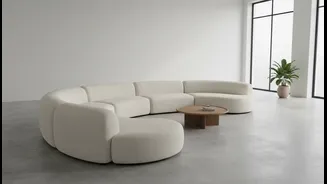
When you're shopping, have your home's measurements ready. Look for the furniture's dimensions, typically listed as width, depth, and height (W x D x H). For a sofa, the width is arm-to-arm, depth is from the back to the front of the cushions, and height is from the floor to the top of the frame or cushions. But there's a secret weapon for tight squeezes: the diagonal depth. This measurement, taken from the top back corner to the bottom front corner of the frame, determines if a piece can be angled through a doorway it wouldn't clear straight-on. The rule of thumb is that if your doorway's width is greater than the furniture's depth, height, or diagonal depth, it should fit. For rounded or curved pieces, which this headline celebrates, their shape can be both a blessing and a challenge. While they soften spaces, their widest points might not be obvious, so be meticulous in checking the product specifications.
The Softer Side of Furnishing
There's a reason rounded furniture is so popular. Psychologically, curves and organic shapes feel more calming, natural, and inviting than sharp, rigid angles. They mimic forms found in nature, creating a sense of balance and tranquility in a home. Practically, curved furniture is a brilliant solution for improving a room's flow. A rounded sofa or a circular dining table encourages movement and conversation, guiding the eye and foot traffic more naturally through a space. This makes them especially valuable in smaller homes or open-plan layouts where creating a sense of openness is key. They can also be safer for households with young children, minimizing the risk of bumps and bruises on sharp corners. By opting for curves, you're not just making a style choice; you're often choosing a more functional and harmonious way to live in your space.