




The Official Directive: Stay Ashore
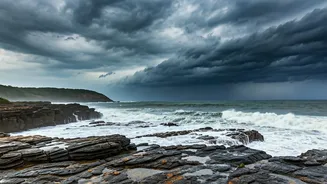
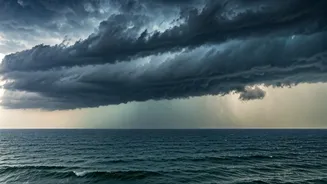
The India Meteorological Department (IMD) has issued a clear and firm advisory for the fishing community along the South Maharashtra-Goa coast: do not venture into the sea. This warning is in effect from June 22 through June 26, prompted by squally weather
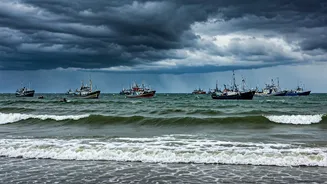
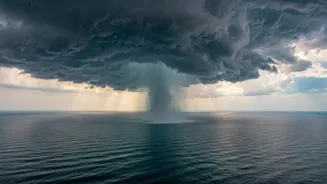
conditions. Wind speeds are expected to hover between 40-50 kilometres per hour, with powerful gusts reaching up to 60 kmph. Such conditions make the Arabian Sea treacherous, with rough seas posing a significant threat to boats and lives. In response to these official directives, fishermen have docked their vessels, prioritising safety over their daily catch. The warning covers the entire coast, a crucial directive as the monsoon advances across the state.
What's Driving the Turbulent Weather?
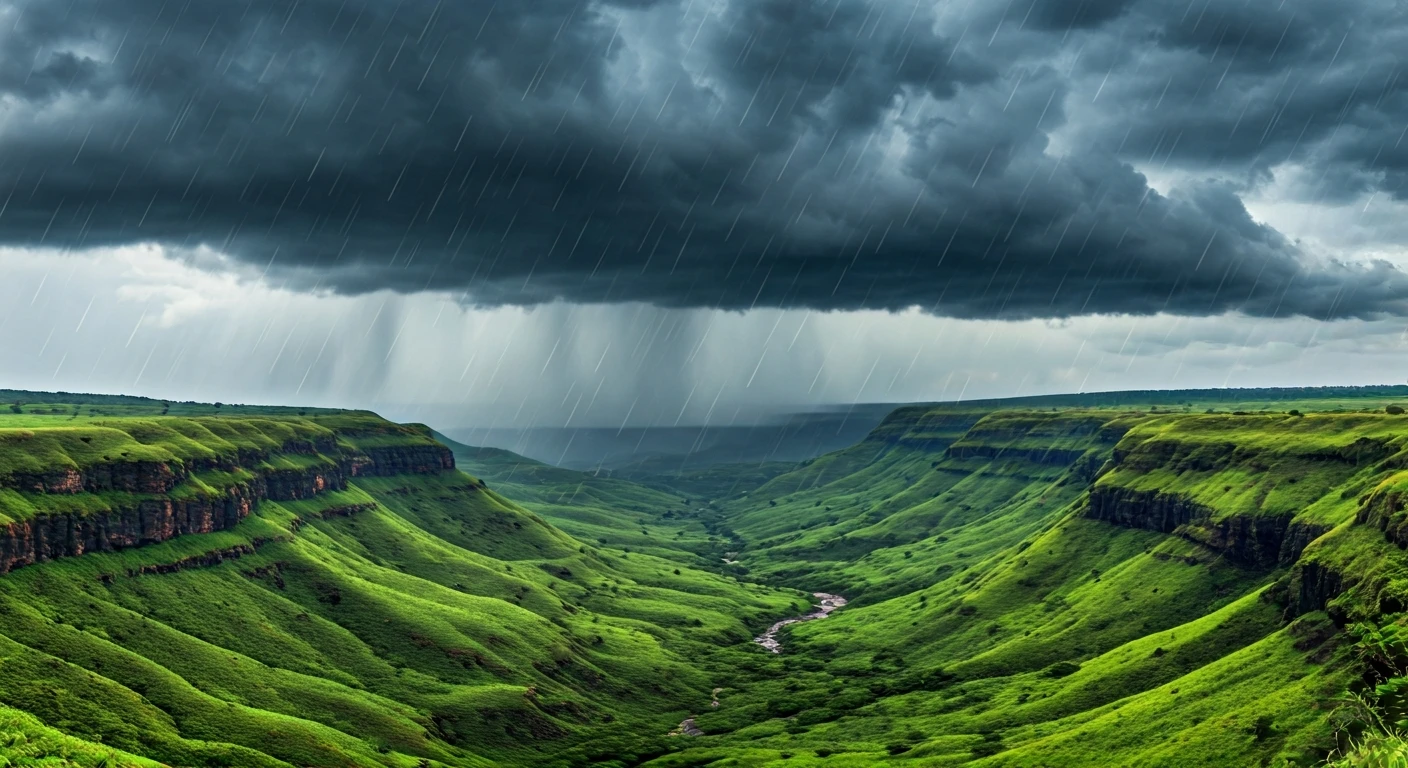
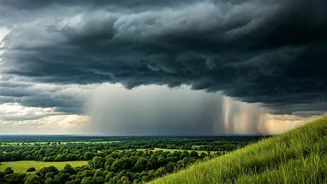
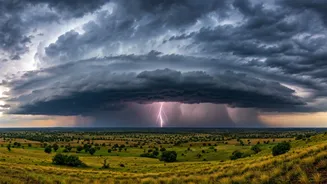
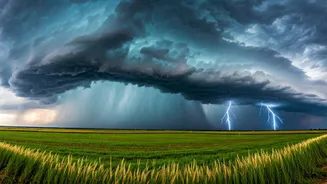
This period of intense weather is a direct consequence of the strengthening Southwest Monsoon, which, after a delay, is now actively progressing across Maharashtra. The IMD confirmed the monsoon's advance over Mumbai on June 23, part of a broader movement across central and eastern India. Strengthening westerly winds are fueling widespread thunderstorms and heavy rainfall, particularly along the Konkan coastal stretch. While the rains bring welcome relief from the preceding heat, they also usher in a period of heightened risk, including localised flooding, transport disruptions, and potential damage to crops. For coastal communities, the most immediate impact is the turbulent and unsafe sea.
The Economic Ripple Effect of Empty Nets
For the thousands of families in Maharashtra's Koli community and other coastal villages, a no-fishing directive is more than just an inconvenience; it's a direct hit to their livelihood. Every day spent on shore is a day with no income. This situation is particularly acute during the monsoon, a season already fraught with challenges. The financial strain is immense, as many fishermen live on daily earnings and have minimal savings to fall back on. Previous storms, like Cyclone Tauktae, have shown how devastating weather events can be, with fishermen losing boats and equipment worth lakhs, far exceeding any government compensation offered. The current high winds serve as a stark reminder of the economic precarity faced by those who depend on the sea.
A Perennial Struggle: Safety vs. Sustenance
The decision to heed weather warnings is a critical one, and forecasting has improved immensely, preventing many potential tragedies. Fishermen's associations often work closely with authorities to ensure warnings are disseminated effectively. However, the tension between safety and the need to earn a living is a constant reality. The annual monsoon fishing ban, designed to allow fish stocks to regenerate, already curtails the fishing season. Additional warnings due to severe weather, while essential for safety, further squeeze the window of opportunity for fishermen to earn. It highlights a broader issue faced by these communities: a growing vulnerability to climate change, which brings more frequent and intense weather events, and its impact on dwindling fish populations and economic stability.
Looking Ahead: Navigating the Monsoon
As the current warning extends until June 26, the focus for fishing communities remains on waiting out the storm safely. Authorities continue to monitor the situation, urging all residents in coastal areas to remain vigilant, avoid vulnerable structures, and stay away from the shore. The IMD has warned that heavy rainfall could lead to localised flooding and disruptions to transport services. For the fishermen of Maharashtra, this is a familiar and challenging part of the annual monsoon cycle. Their boats will remain docked, their nets empty, as they watch the skies and wait for the sea to calm once more, hoping for a safe and prosperous season ahead.