


The Core of the Concern: Chemical Leaching
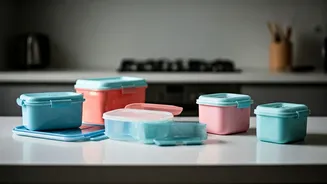
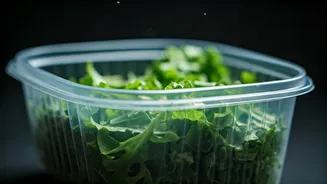
The primary worry with plastic containers isn't the plastic itself, but what can leach out of it. Plastics are not completely inert, meaning tiny amounts of chemical compounds can migrate into the food they hold. This process, known as leaching, can be
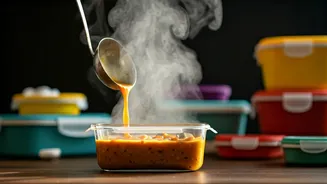
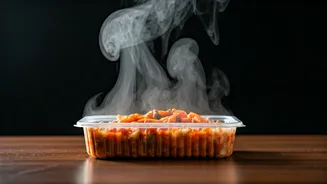
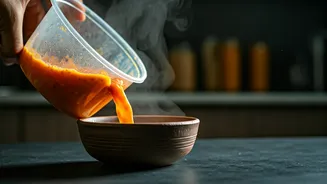
accelerated by several factors, including heat, contact with fatty or acidic foods, and the age or condition of the container. When you microwave leftovers in a plastic tub or store a tomato-based sauce, the conditions become more favorable for these chemicals to transfer. While manufacturers and food safety authorities maintain that containers are safe when used as intended, a growing body of research is exploring the long-term impact of this low-level exposure.
Beyond BPA: A Cocktail of Chemicals
For years, the main chemical villain was Bisphenol A (BPA), an industrial chemical used to make certain hard, clear plastics. In response to public pressure and health concerns about its hormone-disrupting effects, many companies switched to “BPA-free” plastics. However, the substitutes, such as Bisphenol S (BPS) and Bisphenol F (BPF), have shown similar hormone-mimicking properties in studies, leading experts to question if they are truly safer. Beyond bisphenols, other chemicals like phthalates, used to make plastics more flexible, are also under scrutiny for their links to health issues. The complex mixture of additives in plastic packaging makes it difficult to assess the total risk.
Microplastics: The Invisible Problem
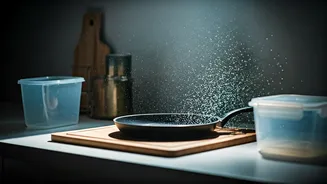
A more recent area of concern is the shedding of microplastics and even smaller nanoplastics. These tiny particles can break away from containers, especially when heated or scratched. One study found that microwaving could release millions of micro- and billions of nanoplastic particles from a container into food. These particles are now being found everywhere, from our food supply to our bodies. While the full health impact is still being researched, scientists are concerned that these particles can cause inflammation and act as carriers for other harmful chemicals. Some recent reports have even linked microplastics found in human tissue to serious health conditions.
A Practical Guide to Safer Plastic Use
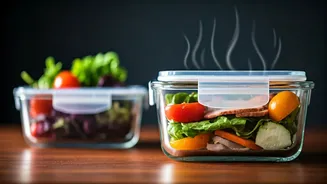
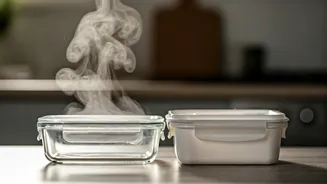
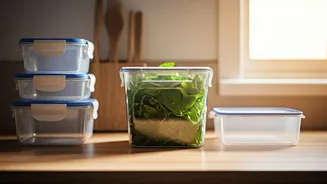
Avoiding plastic entirely is impractical for most people, but you can significantly reduce your risk with a few simple changes. The number one rule is to avoid heating food in plastic containers. Even if a container is labeled “microwave-safe,” this typically means it won't melt or warp—not that it won't leach chemicals or microplastics. A safer routine is to store food in plastic but transfer it to a glass or ceramic dish for reheating. Also, avoid putting very hot, acidic, or oily foods directly into plastic. It's wise to discard any containers that are visibly scratched, cloudy, or warped, as this indicates the plastic is breaking down. When washing, place plastics on the top rack of the dishwasher, away from the heating element.
Decoding the Numbers and Choosing Alternatives
If you check the bottom of a plastic container, you'll find a recycling number inside a triangle. While not a perfect system, plastics with codes #2, #4, and #5 are generally considered safer for food storage. Plastics with codes #3 (PVC, which can contain phthalates), #6 (polystyrene), and #7 (which can contain BPA or its substitutes) are best avoided for food. Special caution is also urged for black plastic containers, as they are often made from recycled electronic waste and can contain flame retardants and other toxins. For those looking to minimize plastic use, the best alternatives are glass, food-grade stainless steel, and ceramic. These materials are stable, non-reactive, and won't leach chemicals into your food, offering greater peace of mind.