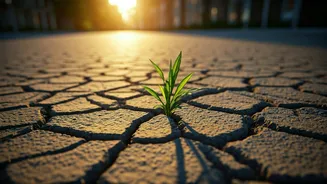









The Weight of the World's Data
For many, the mention of 'climate data' conjures a sense of dread. We’re bombarded with global statistics that, while scientifically crucial, are psychologically crushing. This phenomenon is often called 'climate doomism' — the feeling that catastrophe
is inevitable and individual actions are futile. Psychological research shows that our brains are wired to prioritize immediate, tangible threats, not abstract, long-term problems. When faced with overwhelming negative information about an issue that feels distant, many people simply disengage. This isn't a sign of ignorance or apathy; it’s a defence mechanism against anxiety. The endless stream of alarming data, without a clear pathway to action, can lead to paralysis, not motivation.
From Global Panic to Local Action
The antidote to this paralysis is to make the data personal. Reducing psychological distance is key to making people care. Instead of talking about melting polar ice caps, we need to talk about the increasing risk of floods in Mumbai during monsoon season, which worsens when heavy rain coincides with high tides. Instead of abstract carbon targets, we can focus on the tangible reality of heatwaves in Delhi, where the number of dangerously warm nights is rising faster than hot days. A 2025 survey found that majorities in India have personally experienced severe heatwaves, water shortages, and pollution. When data is framed in a local context—addressing our health, our water supply, our crop yields—it transforms from a heavy, global burden into a manageable, local challenge that we have a stake in solving.
What Does 'Useful' Look Like?
Useful data is actionable. Today, India is leveraging technology to make this happen. Artificial intelligence and hyperlocal weather models are providing farmers with pinpoint rainfall alerts and helping authorities predict cyclones and heatwaves with stunning accuracy, moving disaster management from reactive to predictive. This is what useful data looks like: it’s not just a warning, but a tool. Similarly, solutions-focused journalism is gaining traction, shifting the narrative from problems to responses. Stories from outlets like Mongabay India highlight community-led conservation efforts, while Associated Press reports have shown how a solutions-oriented approach can grant access to tell complex stories, like the impact of heat on factory workers. Mobile apps like Earth5R are also emerging, designed to connect people with local volunteering opportunities and track their personal carbon footprint, turning abstract goals into concrete actions.
Agency Over Anxiety
Ultimately, the goal of climate communication should be to foster a sense of agency, not anxiety. When data is presented as a tool for understanding and a guide for action, it empowers us. Knowing the specific air quality in your neighbourhood, understanding the flood risk to your community, or seeing the collective impact of thousands of people switching to sustainable practices can build motivation. According to climate communication expert Michael Mann, this feeling of agency is crucial for getting past the feeling of being overwhelmed. It creates a positive feedback loop: individual action, when joined by others, builds into collective action. And it is this collective power, rooted in personal relevance, that can drive the systemic change required to address the climate crisis.