



The Patient Art of Slow Cooking
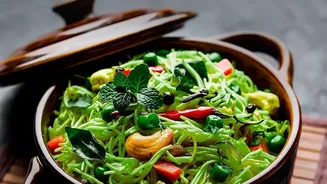
Pressure cookers and instant pots may define modern efficiency, but the unhurried magic of slow cooking is staging a remarkable comeback. Techniques like 'dum pukht', where food is sealed in a pot and cooked for hours over a low flame, are being revived
in fine-dining restaurants and home kitchens alike. This method, once reserved for the royal courts of Awadh and Hyderabad, allows ingredients to meld together, creating an unparalleled depth of flavour and aroma that faster methods cannot replicate. Chefs are now applying this patient art to everything from traditional biryanis to tender meats and vegetable stews, proving that the best flavours are often worth the wait. This return to slow cooking is more than just a culinary choice; it's a mindful act, a rejection of the rush in favour of a richer, more soulful dining experience.
A Return to the Earth
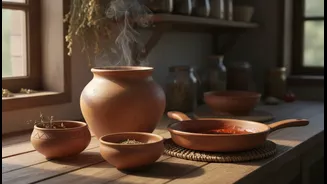
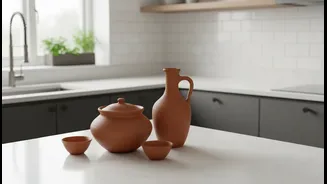
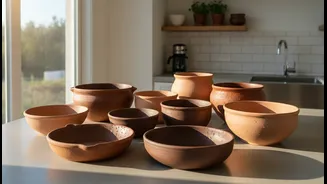
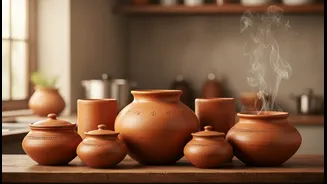
Before stainless steel and non-stick pans, there was clay. Cooking in earthenware vessels, or 'handis', is an ancient practice seeing a significant resurgence. The reason is twofold: flavour and health. Clay pots are porous, allowing for even heat and moisture circulation, which keeps food tender and juicy. They also impart a unique, subtle earthiness to dishes that metal pots simply can't match. From a health perspective, clay is alkaline, which helps neutralize the acidity of food, making it easier to digest. These pots also naturally retain steam and can reduce the need for excessive oil, aligning perfectly with modern wellness trends. As people seek more natural and non-toxic cookware, the humble clay pot is being celebrated once again as a sophisticated tool for healthy and delicious cooking.
The Living Magic of Fermentation
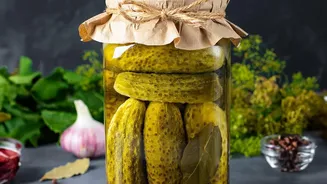
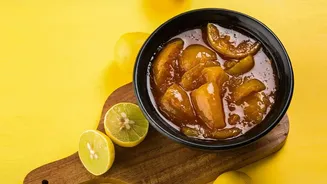
Long before 'probiotics' became a wellness buzzword, Indian kitchens were masters of fermentation. From the tangy dosa and idli batters of the South to the fluffy dhoklas of Gujarat and the ubiquitous dahi found in nearly every household, fermentation has been a cornerstone of Indian cuisine for centuries. This ancient science was used to preserve food, enhance its nutritional value, and create complex flavours. Today, as gut health becomes a global priority, these traditional fermented foods are gaining new appreciation. Chefs and home cooks are exploring regional ferments like 'kanji', a probiotic-rich drink, and experimenting with house-made pickles and cultured beverages, connecting a modern health-conscious mindset with generations of culinary wisdom.
The Primal Allure of Fire and Stone
Modern kitchens are filled with electric gadgets, but some chefs and food lovers are returning to more elemental tools. Cooking over an open flame—using wood fire or charcoal in tandoors and grills—is making a comeback for the unmistakable smoky flavour it imparts. A charred roti or a fire-roasted vegetable carries a primal connection to a simpler time. Similarly, the use of stone grinders ('sil batta') and mortar and pestles is being re-evaluated. While a mixer-grinder is fast, the slow, deliberate action of grinding spices by hand on stone releases their oils and aromas in a way that machines often cannot, creating more vibrant and fragrant masalas. These methods require more effort, but they offer a deeper sensory connection to the ingredients and the cooking process.