




The Ritual of Tadka
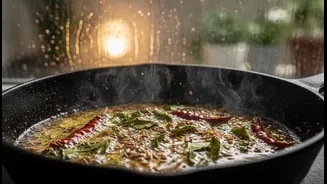
In kitchens across India, this scent is the foundation of countless meals. It’s known as tadka, chhonk, or vaghar—the technique of tempering spices in hot ghee or oil. It’s not just a step in a recipe; it's an event. The sound of mustard seeds popping
or the fragrance of cumin, asafoetida, and curry leaves blooming in fat is the opening act for dinner. This culinary ritual is a thread woven through generations, a near-universal signal that care is being taken, that the kitchen is alive, and that something warm and nourishing is on its way. It is the definitive aroma of home, an olfactory announcement that you are safe and about to be fed. This process does more than just add flavour; it unlocks the essential oils of the spices, making them more aromatic and digestible.
A Direct Line to Your Memory
Why does this particular smell have such a potent effect on our mood? The answer lies in the unique wiring of our brains. Unlike our other senses like sight or sound, which first travel through the brain's thalamus (a kind of sensory relay station), smell has a direct superhighway to the brain’s emotion and memory centres. When you inhale an aroma, the signals travel from your nose to the olfactory bulb, which has direct links to the amygdala, responsible for processing emotion, and the hippocampus, which is crucial for forming and storing memories. This intimate connection is why a single scent can trigger what is often called a “Proustian moment”—an involuntary, vivid, and emotionally charged memory from your past, named after author Marcel Proust who famously wrote about a tea-soaked madeleine cake unlocking a flood of childhood memories.
Monsoon Season’s Perfect Antidote
The power of this sensory experience is magnified during the monsoon. The season brings with it a craving for warmth and comfort to counter the damp and chill. It’s no coincidence that rainy days are synonymous with specific foods. Across India, the first rains spark a desire for hot pakoras, spicy chole bhature, comforting khichdi, or a steaming bowl of rasam. These dishes are the epitome of comfort food, which we often crave during times of stress or sadness for the feelings of nostalgia and emotional security they provide. The sound of the rain outside creates a perfect backdrop for the sizzle of a tadka pan inside. The contrast makes the warmth and aroma of the kitchen feel like a sanctuary. The scent of frying spices becomes the prelude to satisfaction, promising not just a delicious meal but a feeling of deep-seated wellness and contentment that cuts through the dreariness of a wet evening.
More Than Just Hunger
Ultimately, the comfort derived from the smell of frying spices isn't just about the food that follows. It's about what that smell represents: security, tradition, and care. For many, it's a scent deeply tied to childhood and the feeling of being looked after. It’s an anchor in a fast-changing world, a simple, repeatable act that connects us to our family, our culture, and our past. The aroma doesn't just signal that dal or sabzi is coming; it signals a moment of pause, a gathering, and the enduring comfort of a home-cooked meal. It's a reminder that even on the greyest of evenings, a little bit of heat and a handful of spices can create a feeling of profound and familiar warmth. This craving for comfort food is often about triggering the release of dopamine, the brain's pleasure chemical, providing a temporary sense of relief and happiness.