





The New Rules for BS-VI Vehicles
The most significant change affects Bharat Stage VI (BS-VI) compliant vehicles. The Ministry of Road Transport and Highways has introduced a new, age-based system for these vehicles, which was notified on November 13, 2026. For private BS-VI vehicles (like
personal cars and two-wheelers) that are up to six years old, the PUC certificate is now valid for three years, a major extension from the previous one-year validity. For private BS-VI vehicles between six and ten years old, the validity remains one year. If your BS-VI vehicle is over ten years old, you'll need to renew the certificate every six months. Commercial or transport BS-VI vehicles also see changes. Those up to six years old will now have a two-year PUC validity, up from one year. Those between six and ten years old will need an annual renewal, and those over ten years old must renew every six months.
What About Older Vehicles?
The rules have also been standardised across the country for older vehicles. If you own a vehicle that is compliant with BS-IV norms, the PUC certificate will now have a uniform validity of six months nationwide. Previously, this could vary by state, but the new amendment creates a single standard. For even older vehicles compliant with BS-I, BS-II, or BS-III norms, the PUC certificate will now be valid for only three months. This change aims to ensure that older, potentially more polluting vehicles are tested more frequently to keep their emissions in check.
Why the Government Made These Changes
The primary goal of these revised rules is to streamline the compliance process while tightening emission checks where they are needed most. By extending the validity for newer, cleaner BS-VI vehicles, the government aims to reduce the burden on owners. Conversely, the shorter validity periods for older vehicle models reflect a stricter approach to managing pollution from vehicles that are more likely to have higher emission levels. This tiered system, based on both emission standard and vehicle age, is designed to be a more targeted and effective strategy for improving air quality. The rules, part of the Central Motor Vehicles (Sixteenth Amendment) Rules, 2026, are already in effect.
Penalties for Non-Compliance
Driving without a valid PUC certificate is a violation of the Motor Vehicles Act and attracts significant penalties. Under Section 190(2) of the Act, you can be fined up to ₹10,000 for not having a valid certificate. In addition to the fine, the penalty can include imprisonment for up to three months. Some regions, like Delhi-NCR, have also implemented stricter enforcement, such as the 'No PUC, No Fuel' rule, where petrol pumps can refuse to sell you fuel without a valid certificate. It's also important to note that a valid PUC is often required by insurance companies when you need to renew your vehicle's policy.
How to Check and Renew Your Certificate
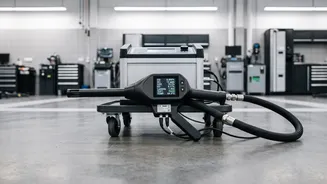
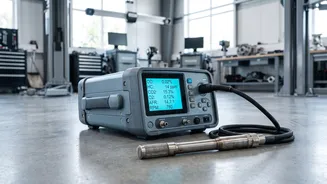
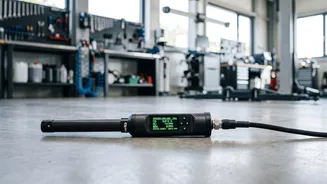
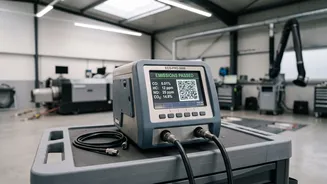
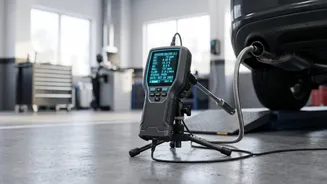
You don't need to find that small paper slip to know your PUC status. You can easily check it online through the official Parivahan portal (puc.parivahan.gov.in). To do so, you will need your vehicle's registration number and the last five characters of its chassis number. The portal will show you the status, including the validity and expiry date. You can also download a digital copy. To renew your certificate, you must visit an authorised emission testing centre. The process is quick: an operator will use a probe to measure your vehicle's exhaust emissions, and if they are within the prescribed limits, a new certificate is issued and updated in the central VAHAN database. Existing certificates will remain valid until their expiry date; the new rules will apply upon your next renewal.