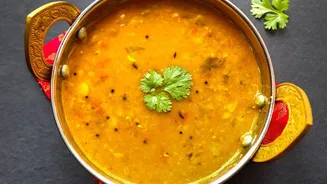


What is Pepper Rasam?
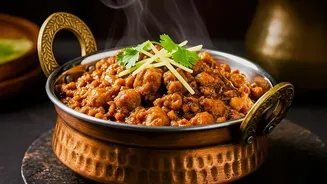
Pepper rasam, known as 'milagu rasam' in Tamil, is a staple in South Indian homes, especially when someone feels under the weather. It's a thin, tangy, and spicy broth built on a base of tamarind water, tomatoes, and a distinctive blend of freshly ground
spices. Unlike its heartier cousin, sambar, pepper rasam is light and often contains no lentils, making it easy to digest. Its primary function is to comfort and heal, serving as the go-to food for recovery. The star of the dish is black pepper, which, when freshly roasted and ground, gives the rasam its signature fragrance and warming heat. This simple dish embodies the principle of functional food, where every ingredient serves a purpose.
The Science of Comfort: Why It Works
The magic of pepper rasam lies in its potent blend of spices, each with traditionally recognized benefits. Black pepper is known to act as a natural decongestant and contains piperine, an anti-inflammatory compound. The warmth of the soup combined with the peppery vapours can help soothe a sore throat and clear nasal passages. Garlic, often added to the spice mix, is celebrated for its immune-boosting properties. Other key ingredients like cumin aid digestion, while turmeric adds its powerful anti-inflammatory and antioxidant benefits. The tamarind base itself is rich in antioxidants and vitamin C, further supporting the body's fight against infection. While not a medical cure, it's a powerful form of symptom management and immune support rooted in generations of wisdom.
A Simple Recipe for a Soothing Broth
Making pepper rasam at home is surprisingly simple. The key is to use freshly ground spices for the best aroma and flavour. Start by dry roasting whole black peppercorns, cumin seeds, and a dried red chilli. Grind them into a coarse powder, along with a few cloves of garlic. In a pot, boil tamarind extract with chopped tomatoes, turmeric powder, and salt until the raw smell of the tamarind disappears. Add the freshly ground spice powder and simmer for a few more minutes, being careful not to over-boil, which can make it bitter. A final tempering, or 'tadka', is essential. Heat a little ghee in a small pan, add mustard seeds until they pop, then toss in a pinch of asafoetida (hing) and curry leaves. Pour this fragrant mixture over the rasam, garnish with fresh coriander, and let it rest for a few minutes before serving.
How to Best Enjoy Pepper Rasam
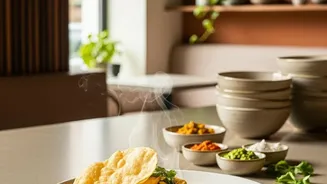
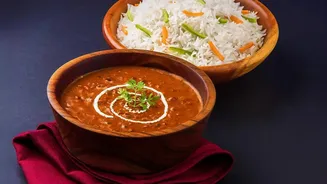
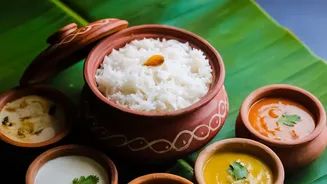
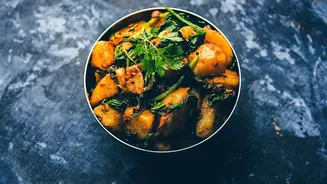
Pepper rasam is wonderfully versatile. The most classic way to enjoy it is poured over a bowl of hot, steamed rice with a dollop of ghee, which balances the spice and adds richness. It pairs beautifully with a simple side of potato fry or a crispy papad. In many South Indian meals, rasam is served as the course after sambar and before curd rice, acting as a palate cleanser and digestive aid. However, its soothing properties also make it perfect to enjoy on its own. Served hot in a mug or small bowl, it acts as a warming soup, ideal for sipping on a chilly evening or when you feel a cold coming on. For those recovering from illness, its fluid consistency helps with hydration while providing essential nutrients.