







The Rise of the Healthy Indulgence
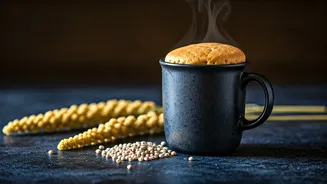
The humble millet has officially entered its glam era. Long a staple in Indian kitchens, millets like ragi, jowar, and bajra are now the star ingredients in a viral food trend that perfectly marries health with convenience. As we become more conscious
of what we eat, these ancient grains are being celebrated for their impressive nutritional profile. They are naturally gluten-free, rich in fibre, and packed with essential minerals like iron and calcium. This makes them a smarter choice for satisfying a sweet tooth without the guilt that often accompanies refined flour (maida) and sugar-laden desserts. This trend isn’t just about being healthy; it’s about smart, guilt-free indulgence that doesn’t require an hour of baking.
Why the Mug and Microwave Works
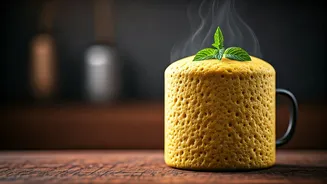
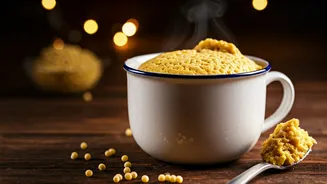
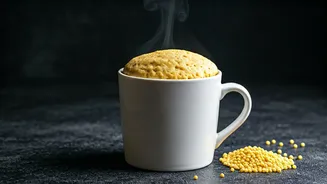
The genius of this trend lies in its simplicity. A microwave mug cake is the ultimate single-serving dessert. There’s no need to bake an entire cake, no complicated measurements, and minimal washing up. It’s portion control perfected. You simply mix a few ingredients in your favourite coffee mug and pop it in the microwave. In about 90 seconds to two minutes, you have a steaming, fluffy, and deeply satisfying cake. This immediacy is exactly what you need when a late-night craving hits. It’s faster than ordering in and significantly healthier than most processed snacks. The mug becomes your mixing bowl, baking pan, and serving dish all in one.
Your Master Millet Mug Cake Formula
Forget rigid recipes. The best way to make a millet mug cake is to understand the basic formula, which you can then adapt to your taste and the ingredients you have on hand. For a perfect single-serving cake, use a standard 350-400 ml microwave-safe mug.
Here’s the blueprint:
- **The Flour (3-4 tbsp):** Start with a millet flour. Ragi (finger millet) gives a rich, chocolatey flavour, while jowar (sorghum) is milder, and bajra (pearl millet) has a nutty taste. You can use one or a mix.
- **The Sweetener (1.5-2 tbsp):** Jaggery powder, coconut sugar, or maple syrup work beautifully and complement the earthy notes of millets. Adjust to your desired sweetness.
- **The Liquid (3-4 tbsp):** Milk (dairy or plant-based) is the standard. You can also use water or even yogurt for a denser texture.
- **The Fat (1 tbsp):** A neutral oil like coconut oil or a small amount of melted butter or ghee adds moisture and richness.
- **The Leavening (¼ tsp):** Baking powder is essential to give your cake a light, fluffy lift.
- **The Flavour:** A pinch of salt, a dash of vanilla extract, or a sprinkle of cardamom or cinnamon powder elevates the taste.
Three Variations to Try Tonight
Using the master formula, you can create endless variations. Here are three popular combinations to get you started:
1. **Classic Chocolate Ragi Lava Cake:** Use ragi flour. Add 1 tablespoon of unsweetened cocoa powder to your dry ingredients. Once you’ve poured the batter into your mug, drop a single square of dark chocolate into the centre. Microwave for 90 seconds. The chocolate will melt, creating a molten lava core.
2. **Cardamom & Nut Jowar Cake:** Use jowar flour. Add ¼ teaspoon of ground cardamom (elaichi) powder to the mix. Before microwaving, sprinkle a few chopped almonds or pistachios on top for a delightful crunch. This version has a subtle, sophisticated flavour reminiscent of traditional Indian sweets.
3. **Banana Bajra Breakfast Cake:** If you have an overripe banana, mash half of it and mix it into your batter. Use bajra flour and reduce the sweetener slightly, as the banana adds natural sweetness. This is so wholesome you could almost have it for breakfast.
Tips for the Perfect Mug Cake
Microwave mug cakes are easy, but a few tips can prevent common pitfalls. First, do not overfill your mug; half-full is the perfect amount to allow the cake to rise without spilling over. Second, all microwaves are different. Start with a shorter cooking time (e.g., 70-80 seconds) and add 10-second increments if it’s still wet. The cake is done when the top looks set but is still slightly moist. Overcooking is the number one reason for a dry, rubbery texture. Finally, let the cake cool for a minute before digging in—the mug and the cake will be extremely hot.