
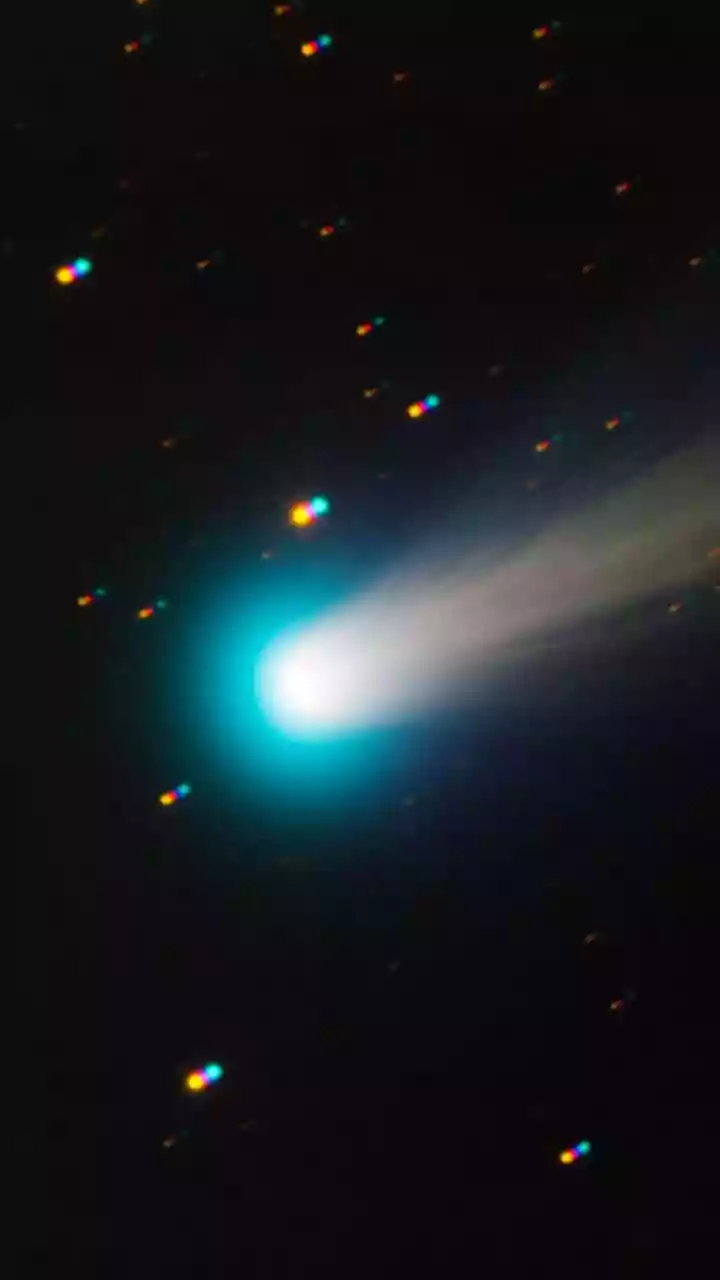






A Gift from Halley's Comet
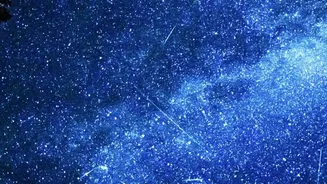
The Orionid meteor shower is one of the most beloved celestial events of the year, active from early October to early November. The shooting stars you see are actually tiny pieces of debris left behind by one of history's most famous comets: 1P/Halley,
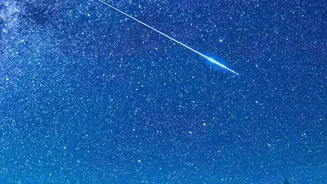
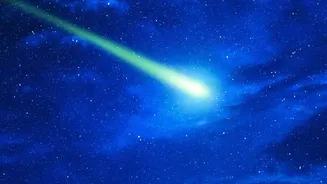
or Halley's Comet. Every year, as Earth orbits the Sun, it passes through this trail of cosmic dust. The particles, many no bigger than a grain of sand, burn up upon entering our atmosphere at incredible speeds—about 66 kilometers per second—creating the fast, bright streaks we call meteors. These meteors are known for their speed and brilliance, sometimes leaving behind glowing trails that can linger for several seconds.
The Peak and The Problem
For 2026, the Orionid meteor shower is predicted to reach its peak activity on the night of October 21 and into the morning of October 22. Under ideal, perfectly dark skies, observers could typically expect to see 15 to 20 meteors per hour. However, this year presents a significant challenge. The shower's peak coincides with a bright waxing gibbous Moon, which will be about 80% illuminated. A bright Moon acts like natural light pollution, washing out the sky and making it difficult to spot all but the brightest meteors. The fainter shooting stars, which often make up the bulk of a shower's numbers, become completely invisible against the lunar glare.
Not All Hope Is Lost
While the presence of a bright Moon is certainly not ideal, it doesn't mean your chances of seeing an Orionid are zero. It just requires a more strategic approach. The key advantage for stargazers this year is timing. During the peak night, the waxing gibbous Moon will set a few hours before dawn. This creates a crucial window of true darkness, giving you a much better opportunity to see the meteor shower without lunar interference. The best viewing time will therefore be in the early morning hours, between moonset and the first light of dawn.
Your Strategic Viewing Plan
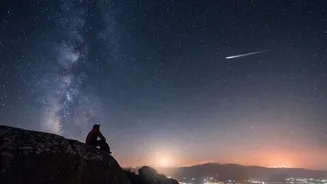
To maximize your chances of seeing the Orionids, start by finding a location as far away from city lights as possible. Then, plan to be patient. Your eyes need about 20 to 30 minutes to fully adapt to the darkness, so avoid looking at your phone or other bright screens. The meteors will appear to radiate from the constellation Orion, but they can streak across any part of the sky. The best technique is to lie flat on a blanket or reclining chair and look straight up, taking in as much of the sky as possible. Don't stare at any one spot; a broad, relaxed gaze will help you catch the fleeting streaks of light. And remember, the show is best enjoyed after the Moon has set.