


The Rise of the Scenic Route
The very idea of travel is changing. For many, it's no longer just about reaching a destination as quickly as possible. A trend toward 'slow travel' is gaining momentum, emphasizing connection, mindfulness, and a deeper appreciation for the journey. Rail
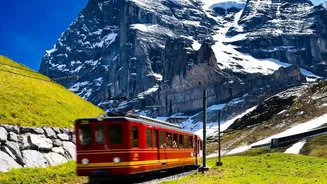
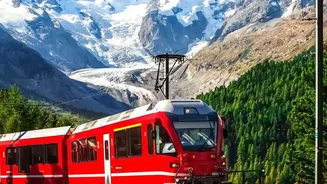
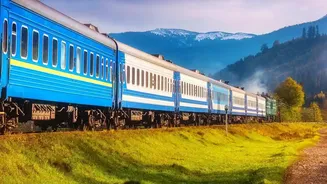
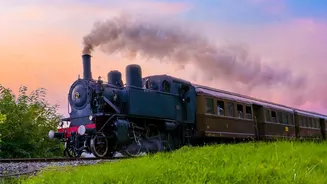
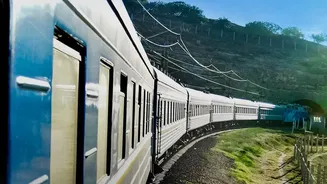
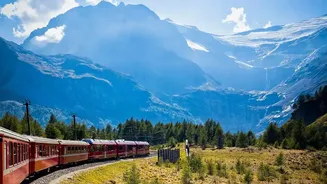
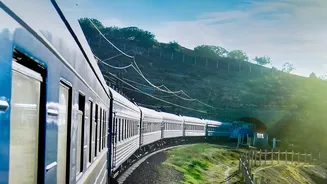
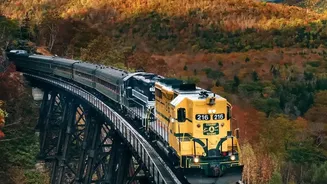
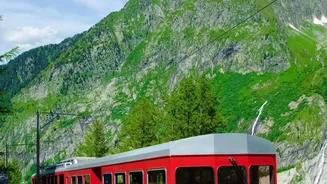
tourism is the perfect embodiment of this philosophy. Unlike air travel, which often feels like a sterile necessity, a train journey is an active part of the holiday. It allows passengers to watch the landscape unfold in cinematic style, from misty mountains and verdant valleys to bustling towns and serene coastlines. This perspective shift—viewing the transit as an experience rather than a chore—is a core reason travellers are increasingly drawn to the rails.
Redefining Value and Comfort
While budget is often a factor, the 'value' of train travel extends far beyond the ticket price. Consider the hidden costs and stresses of flying: expensive taxis to out-of-the-way airports, lengthy security queues, strict baggage limitations, and the general hassle. Trains, by contrast, often depart from and arrive in central city locations, making the entire process more convenient and seamless. Onboard, the advantages are even clearer. Passengers typically enjoy spacious seating with ample legroom, the freedom to walk around, and more generous luggage allowances. Modern trains are also equipped with amenities like Wi-Fi, power outlets, and dining cars, blending nostalgic charm with contemporary convenience.
A Greener Track Forward
For the environmentally conscious traveller, the choice is becoming increasingly clear. Rail travel is one of the most eco-friendly forms of transport. Trains are significantly more energy-efficient and produce far fewer greenhouse gas emissions per passenger compared to airplanes. Studies show that choosing a train can reduce a journey's carbon footprint by up to 90% or more on some routes. This powerful statistic is a compelling motivator for travellers who want to explore the world responsibly, aligning their wanderlust with their commitment to sustainability. The reduced noise pollution and more efficient land use are added environmental benefits.
An Experience in Itself
Ultimately, the appeal of rail tourism lies in the quality of the experience. It’s a more relaxed and humane way to travel. There's no turbulence or 'fasten seatbelt' signs dictating your movement. You can read a book, get some work done, share a meal in the dining car, or simply gaze out of the panoramic windows. In India, journeys on routes like the Konkan Railway or the historic Himalayan Queen offer scenery and cultural immersion that a flight could never provide. Luxury trains like the Palace on Wheels elevate this further, making the journey a destination in its own right. These trips foster a unique social atmosphere, offering chances to connect with fellow travellers and create lasting memories before even arriving at the final stop.