




Mathura: The Epicentre of Devotion
To experience Janmashtami in its most traditional and spiritually charged form, all roads lead to Mathura. Believed to be the birthplace of Lord Krishna, the city offers an experience rooted in reverence and ancient rituals. The atmosphere here is not
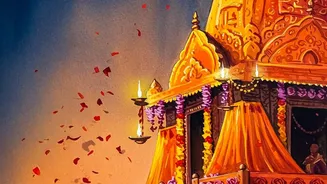
one of a public festival but of a deeply personal, collective spiritual awakening. Celebrations are centred around the city's temples, most notably the Shri Krishna Janmabhoomi Temple, which is believed to stand on the exact spot where Krishna was born in a prison cell. Devotees from across the world throng the temple, fasting and singing bhajans (devotional songs) as they wait for the stroke of midnight. The air crackles with anticipation, and the sound of chanting and temple bells creates an unforgettable, soul-stirring ambience.
Midnight Rituals and Temple Grandeur
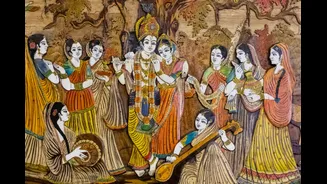
The pinnacle of Mathura's celebration is the midnight 'Abhishek', or the ceremonial bathing of the infant Krishna idol. In the inner sanctums of the Shri Krishna Janmabhoomi and Dwarkadhish temples, the deity is bathed in a sacred mixture of milk, honey, ghee, and curd. While the main Abhishek at some temples may not be open for public viewing, the energy reverberates throughout the complex as conch shells are blown and joyous chants of “Jai Kanhaiya Lal Ki” echo through the streets. Temples like Banke Bihari in nearby Vrindavan are decorated elaborately with flowers and lights, hosting special darshans that continue into the early morning hours. The focus is entirely on devotion, with Raasleelas (plays depicting Krishna's life) and Jhulan Utsav (the swinging of the deity) adding to the divine atmosphere.
Mumbai: A Spectacle of Energy and Teamwork
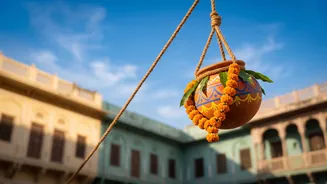
If Mathura is about spiritual introspection, Mumbai's Janmashtami is an explosion of extroverted joy. The city is famous for its Dahi Handi celebrations, which take place the day after Janmashtami. This tradition reenacts the playful mischief of a young Krishna, who would form human pyramids with his friends to steal butter and curd from pots hung high out of reach. The entire city transforms into a competitive arena, with neighbourhood teams, known as 'Govinda pathaks', travelling across the city to participate. The atmosphere is electric, filled with loud music, cheering crowds, and a palpable sense of community spirit.
The Thrill of the Human Pyramid
Dahi Handi is less a ritual and more a public sport. Earthen pots filled with curd, milk, and sometimes prize money are strung up high between buildings, often 20 to 40 feet off the ground. The Govindas then form multi-layered human pyramids in a daring display of balance, strength, and coordination to reach and break the pot. Major Dahi Handi events in areas like Thane, Dadar, and Ghatkopar attract massive crowds and sponsorships, turning the festival into a high-stakes competition. For a visitor, it’s a thrilling spectacle that showcases incredible teamwork and the city's boisterous, festive character.
The Choice: Spiritual Immersion or Festive Spectacle?
Your ideal Janmashtami destination depends entirely on what you seek. A trip to Mathura is a pilgrimage. It's for the traveller looking to connect with the spiritual roots of the festival, to be enveloped in a wave of collective devotion, and to witness ancient traditions unfold. The pace is intense yet reverential, and the experience is focused inward. You should be prepared for massive crowds, especially at key temples, and book accommodation well in advance. Mumbai, on the other hand, offers a cultural spectacle. It's for the traveller who thrives on high energy, public festivities, and community celebrations. It is a performance of faith expressed through athletic prowess and festive cheer. Watching the Dahi Handi is about being part of an exhilarating street festival that is uniquely Maharashtrian. The experience is outward-facing, loud, and full of adrenaline.